




What if the power of a passport wasn't just about the number of countries it can get you into? A new 2026 index redefines passport strength by blending travel freedom with happiness, and the results are in: Nordic nations are leading the world.
What Makes a 'Happy Passport'?
The term
'Happy Passport' has been coined for a new type of ranking that looks beyond simple visa-free access. The 2026 Happy Passports Index, published by advisory firm Global Citizen Solutions, evaluates countries on a richer set of criteria. It combines traditional passport strength with crucial quality-of-life indicators. The index scores 50 countries based on four equally weighted pillars: mobility, wellbeing, freedom at home, and prosperity, health, and safety. This means a 'happy passport' belongs to a country that not only offers its citizens global mobility but also provides a high standard of living, personal freedom, and overall life satisfaction. The ranking reveals that while a powerful passport is an asset, it doesn't automatically guarantee a happy population.
1. Finland: The Happiest of All
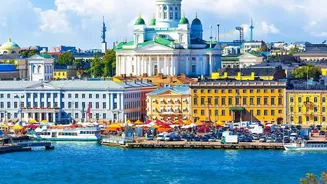
Topping the list is Finland, scoring an impressive 93.2 out of 100. This win is largely thanks to its world-leading 'wellbeing' score, which is based on how citizens rate their own lives. Finns consistently report the highest life satisfaction globally. While its passport is very strong, offering excellent mobility, what truly sets Finland apart is the combination of this travel freedom with a high degree of personal freedom at home and a strong sense of social cohesion. It demonstrates that the ultimate passport power comes from a balance of internal happiness and external access.
2. Iceland: Where Freedom Reigns
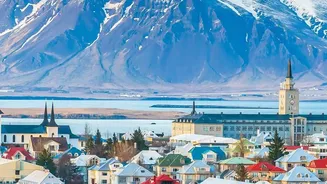
Coming in a close second, Iceland scores 92.4 points. Its strength lies in a different area: freedom. Iceland ranks first for 'freedom at home', which measures both perceived freedom of choice and civil liberties. It is also rated as the most peaceful country in the world. Interestingly, Iceland's passport, while strong, is not in the absolute top tier for mobility compared to some other European nations. Its high ranking proves that the feeling of safety and autonomy within one's own country is a massive contributor to the overall value of its citizenship.
3. Denmark: The Master of Balance
Denmark secures the third spot with a score of 92.1, standing out as the most well-balanced country in the entire index. It is the only nation to rank in the top four across all four pillars: wellbeing, freedom, mobility, and prosperity/health/safety. This exceptional consistency highlights the core of the Nordic model's success. Danish citizens enjoy top-tier global access, feel free and secure at home, report high life satisfaction, and benefit from a prosperous, stable environment. This all-around excellence makes the Danish passport a symbol of comprehensive quality of life.
The Nordic Secret to Success
The dominance of Nordic countries—with Norway at 4th and Sweden at 6th—is no accident. This pattern is rooted in a societal model that prioritises public welfare, social trust, and equality. These nations are renowned for their robust social support systems, including universal healthcare and education, which create a strong safety net and reduce anxiety. High levels of trust in government and fellow citizens foster social cohesion and a sense of community. Furthermore, a culture that values work-life balance ensures that economic output does not come at the expense of personal well-being. It's this combination of institutional strength and social trust that consistently places them at the top of global happiness and quality-of-life rankings.
Where Does India Stand?
While the Happy Passports Index only ranked 50 countries in its 2026 edition, we can look at other global indices to understand the context for Indian passport holders. According to the 2026 Henley Passport Index, the Indian passport ranks around 80th globally, offering visa-free or visa-on-arrival access to over 60 destinations. This represents a steady improvement in mobility over the past decade. However, the 'Happy Passport' concept shows that travel access is only one part of the story. The index's focus on domestic factors like wellbeing and freedom suggests that a nation's internal health is just as crucial as its external reach, a key insight for citizens and policymakers everywhere.