







From Medical Device to Wellness Gadget
For years, continuous glucose monitors (CGMs) have been a game-changer for people managing diabetes. These small, wearable devices eliminated the need for constant, painful finger-prick tests by providing a steady stream of blood sugar data. Now, this
powerful technology is crossing over into the mainstream wellness world. Health-conscious individuals, bio-hackers, and anyone curious about optimising their health are strapping on CGMs to gain a deeper understanding of their bodies. This shift is moving the CGM from a purely medical tool to a consumer wellness gadget, with a growing number of health-tech startups in India offering CGM-based programs to help people fine-tune their diet and lifestyle.
A Live Feed of Your Metabolism
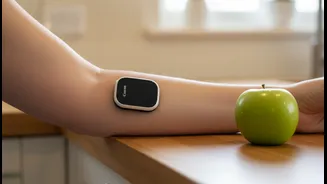
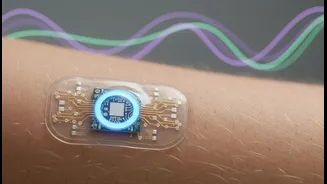
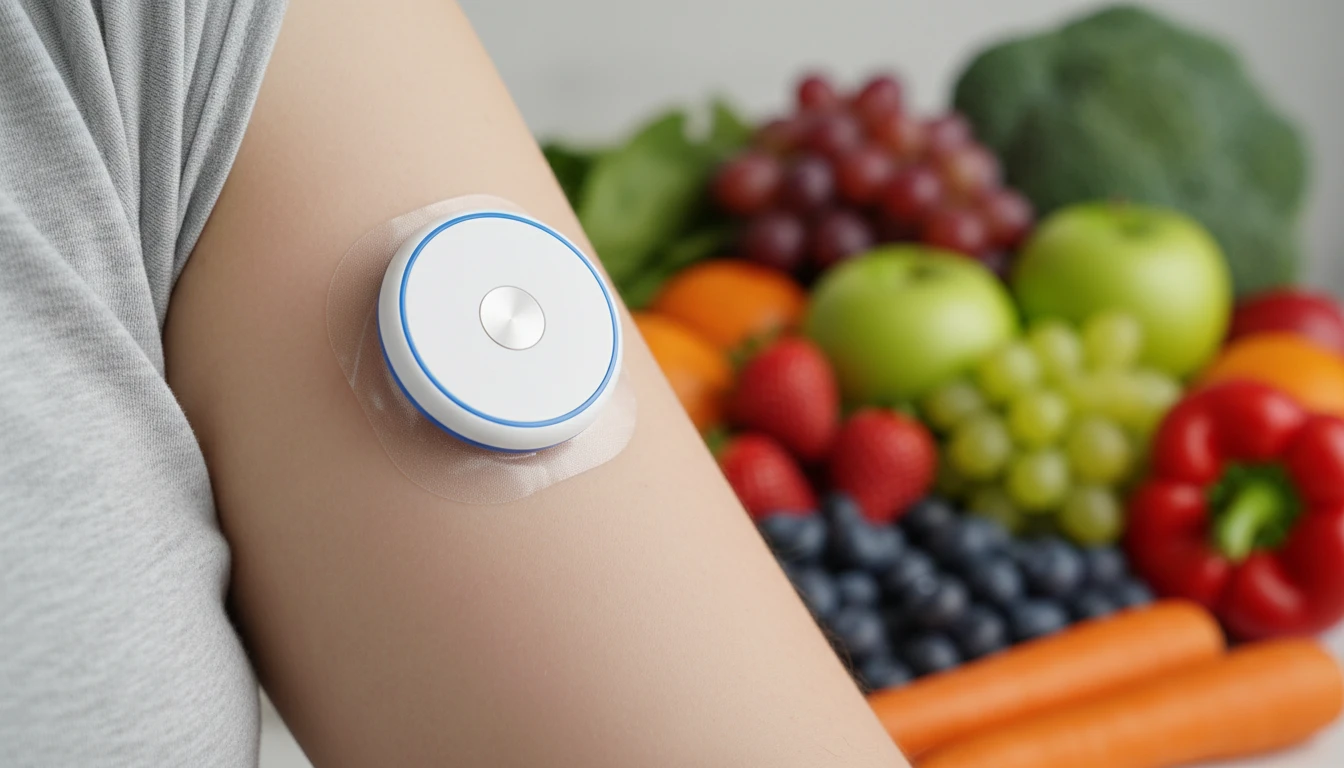
So, how does it work? A CGM consists of a small sensor with a tiny, flexible filament that you insert just under the skin, usually on the back of your arm. Don't worry, it's typically painless. This sensor measures the glucose in the interstitial fluid—the fluid surrounding your cells—every few minutes, 24/7. A transmitter then wirelessly sends this data to an app on your smartphone, giving you a continuous 'movie' of your glucose levels, rather than just a single snapshot. Most sensors are worn for about 10 to 14 days, during which time you can shower, exercise, and go about your daily life as normal.
The Power of Personal Data
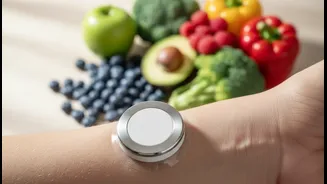
The real magic of a CGM lies in the patterns it reveals. You might discover that a supposedly 'healthy' bowl of oats spikes your blood sugar more than you expected, while a meal with more protein and fibre keeps your energy levels stable. This data uncovers how your body uniquely responds to specific foods, stress levels, sleep quality, and exercise. For many users, the insights are surprising. They might learn that a late-night meal affects their fasting glucose the next morning or see the direct, stabilising impact of a post-meal walk. This real-time feedback helps you connect the dots between your choices and your body's response in a way that generic diet advice never could.
Embracing Your Bio-Individuality
One of the key concepts that CGM use highlights is 'bio-individuality'. Research has shown that two people can eat the exact same food, like a banana or a cookie, and have vastly different glucose responses. Your personal reaction is influenced by a unique combination of factors, including your gut microbiome, genetics, stress levels, and physical activity. A CGM empowers you to move beyond one-size-fits-all diet plans and discover what works for your body. It's the ultimate tool for personalised nutrition, helping you build a diet that keeps your glucose levels in a stable, gentle rolling pattern, which is associated with better energy, mood, and long-term metabolic health.
The Reality Check: Cost and Caution
Before you rush to get one, there are important considerations. In India, the cost can be a significant barrier, with a 14-day sensor starting from around ₹2,500 to ₹5,000 or more, depending on the brand. Since this is largely an out-of-pocket expense for wellness users, it's a notable investment. Furthermore, some health experts caution that for people without diabetes, focusing too intensely on minor glucose fluctuations could lead to unnecessary anxiety or an unhealthy fixation on food. The data can also be misinterpreted without professional guidance, as normal post-meal spikes can be mistaken for problems. Accuracy can also be affected by factors like dehydration or pressure on the sensor.