



A Breeding Ground for Bacteria and Fungi
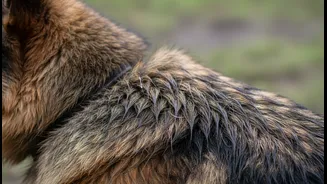
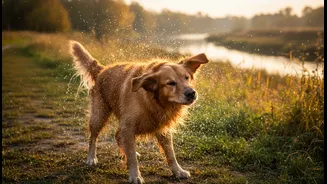
The primary danger of a perpetually damp coat is that it creates the perfect microenvironment for bacteria and fungi to thrive. The high humidity of the Indian monsoon means a wet coat takes much longer to dry, trapping moisture against your dog’s skin.
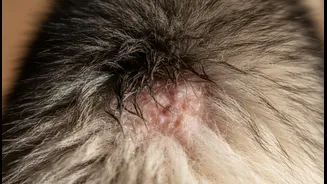
This warm, moist setting compromises the skin's natural barrier, allowing opportunistic bacteria and yeast to multiply uncontrollably. This can lead to pyoderma, a common bacterial skin infection, and fungal infections like ringworm, which cause intense itching, redness, foul odours, and discomfort. What starts as a simple wet coat can quickly escalate into a painful skin condition requiring veterinary care.
The Menace of Painful Hot Spots
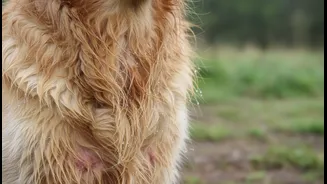
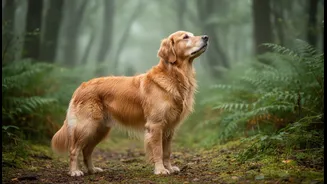
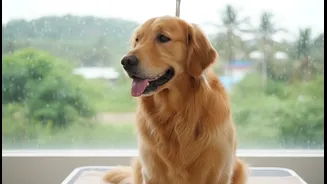
One of the most alarming conditions caused by trapped moisture is 'hot spots', technically known as acute moist dermatitis. These are angry, red, inflamed, and painful patches of skin that can appear seemingly overnight. A hot spot begins when a dog starts to lick, chew, or scratch an itchy or irritated area, often triggered by dampness. This self-trauma breaks the skin, inviting a secondary bacterial infection. The area becomes weepy and can spread rapidly. Dogs with thick or double coats, like German Shepherds and Golden Retrievers, are particularly susceptible as their dense fur holds moisture close to the skin for longer periods.
More Than Just a 'Wet Dog' Smell
That familiar 'wet dog' smell is one thing, but a persistent musty or foul odour that lingers long after your dog is supposedly dry is a red flag. This is often a sign of a yeast or bacterial overgrowth on the skin. As these microorganisms flourish in the damp, warm environment of the undercoat, they produce waste products that create a pungent, unpleasant smell that regular bathing won't solve. In fact, bathing too frequently can strip the skin of its natural oils, making it even more vulnerable to infection. A lingering bad odour is a clear indication that it’s time to check your dog's skin for signs of infection and consult a veterinarian.
Your Post-Walk Drying Guide
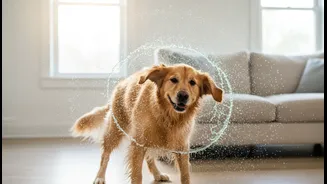
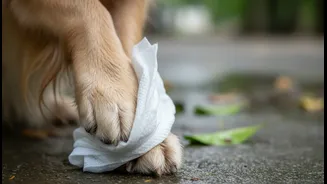
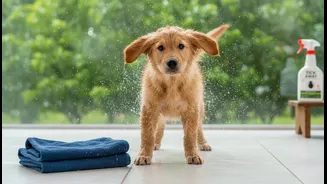
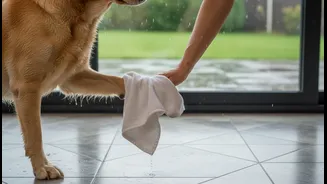
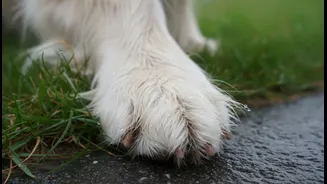
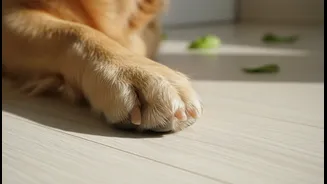
Preventing these issues is far easier than treating them. The solution is a consistent and thorough drying routine after every single walk in the rain. Never let your dog air dry. Start by using a highly absorbent microfiber towel to pat and squeeze the water out of the coat. Avoid vigorous rubbing, as this can cause tangles and irritate the skin. Pay special attention to areas that trap moisture, like the paws (especially between the toes), belly, armpits, and ears. For dogs with thick coats, a towel dry is often not enough. Invest in a pet-specific hair dryer and use it on the lowest heat and speed setting to ensure the undercoat is completely dry.