





Why Gyms Can Feel Intimidating
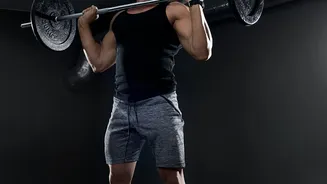
For many beginners, the traditional weight room feels like a private club where they don't know the rules. The complex machinery, the unspoken etiquette, and the fear of 'doing it wrong' in front of seasoned lifters can be a major barrier. This sense
of intimidation or uncertainty prevents many people from ever starting a strength routine, causing them to miss out on profound health benefits. The perception is that you need to be strong and confident before you even walk in, which is a classic chicken-and-egg problem that discourages newcomers.
A New Era of Accessible Strength
A cultural shift is underway, prioritizing functional fitness and consistency over sheer power. The focus is moving away from how much you can lift and toward building practical strength for everyday life, improving health, and boosting longevity. This change has been accelerated by the rise of at-home fitness, where technology like apps and online communities provides guidance and accountability without the pressure of a public setting. The new message is clear: strength is a personal journey, and the best place to start is wherever you are comfortable.
Bodyweight Training: The Perfect Starting Point
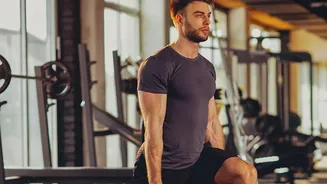
The simplest and most accessible form of resistance training uses the one piece of equipment you always have: your own body. Bodyweight exercises, or calisthenics, are ideal for beginners because they are free, can be done anywhere, and help you master fundamental movement patterns before adding external weight. Exercises like squats, push-ups, lunges, and planks build a solid foundation of strength, stability, and coordination. They are incredibly effective for improving muscle tone and endurance while carrying a lower risk of injury, making them a safe and empowering entry point into the world of strength.
Level Up with Light Resistance
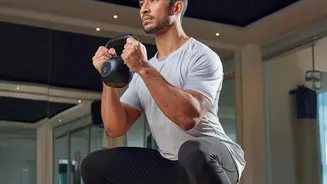
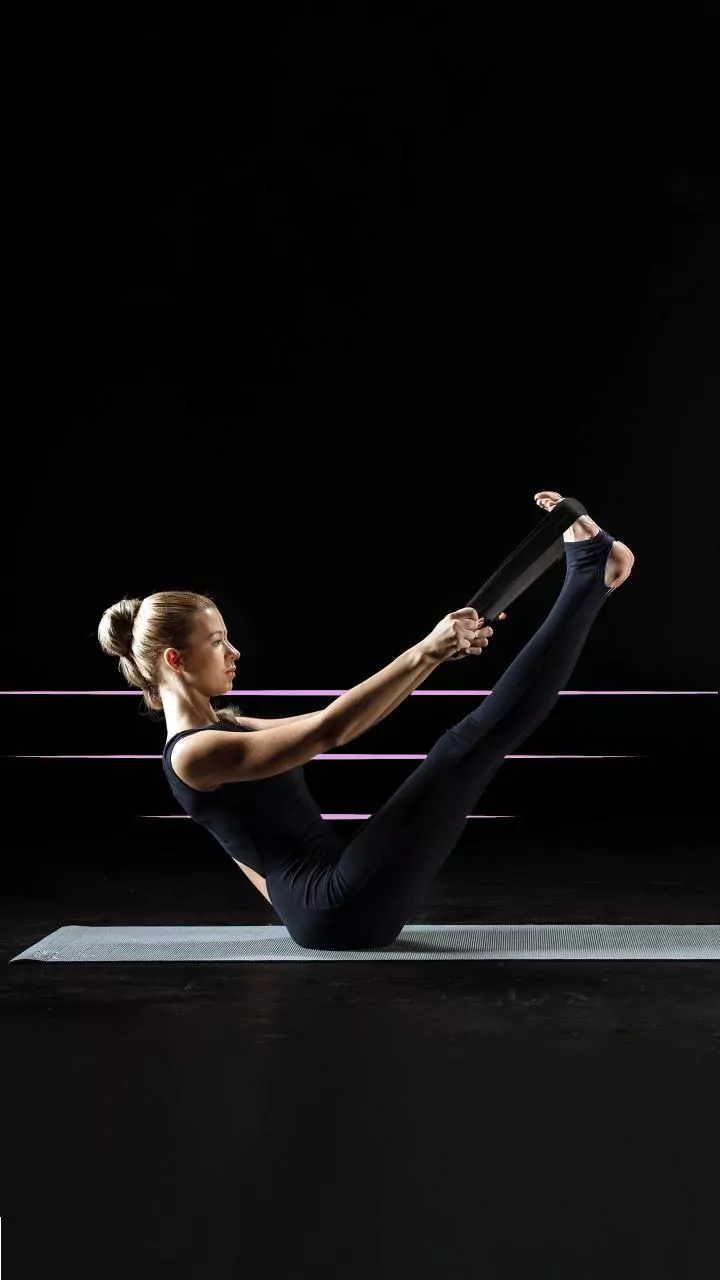
Once you feel confident with bodyweight movements, the next logical step is adding light resistance. This doesn't mean jumping straight to a heavy barbell. Instead, it involves tools like resistance bands, small dumbbells, or kettlebells. These options add a new challenge to your muscles, helping to improve strength and endurance. Working with lighter weights for a higher number of repetitions is a proven method for building muscle and toning your physique without putting excessive strain on your joints. It's a sustainable way to progress, allowing you to get stronger while maintaining proper form and control.
More Than Muscle: The Mental Gains
The benefits of strength training extend far beyond the physical. The process of getting stronger has a profound impact on mental well-being. Studies show that regular resistance training can improve mood, reduce anxiety, relieve stress, and boost cognitive function. The act of mastering a new movement or completing an extra repetition provides a powerful sense of accomplishment that builds self-esteem and confidence. This newfound mental resilience often carries over into other areas of life, empowering you to tackle challenges both in and out of the gym.
How to Begin Your Journey Safely
Getting started is simpler than you think. Begin with two to three short sessions per week, focusing on full-body workouts. Prioritize learning the correct form for basic bodyweight exercises like squats, push-ups (on your knees is a great start), and planks. Listen to your body; muscle soreness is normal, but sharp pain is a signal to stop. As you get stronger, you can gradually increase the number of repetitions or sets. Remember, the goal is consistency, not intensity. Progress will come from showing up regularly, not from pushing yourself to exhaustion on day one.