



What is a Western Disturbance?
Think of a Western Disturbance (WD) as a weather-maker travelling all the way from Europe to India. It's an extratropical storm that originates in the Mediterranean region. This low-pressure system is laden with moisture gathered from the sea. Pushed
by high-altitude westerly winds, it journeys across the Middle East and Afghanistan before arriving over the northern parts of the Indian subcontinent. When this moisture-rich system collides with the formidable Himalayas, it is forced to rise. As the air rises, it cools, condenses, and results in precipitation. In colder, higher altitudes, this means snow; in lower regions, it brings rain. WDs are most active during the winter months, from December to February, but their arrival can be felt as early as October, signalling the transition away from the monsoon season.
The Current Impact: A Sudden Plunge
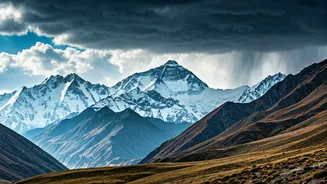
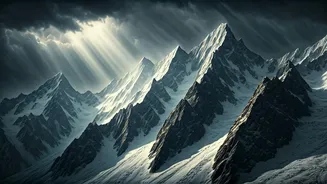
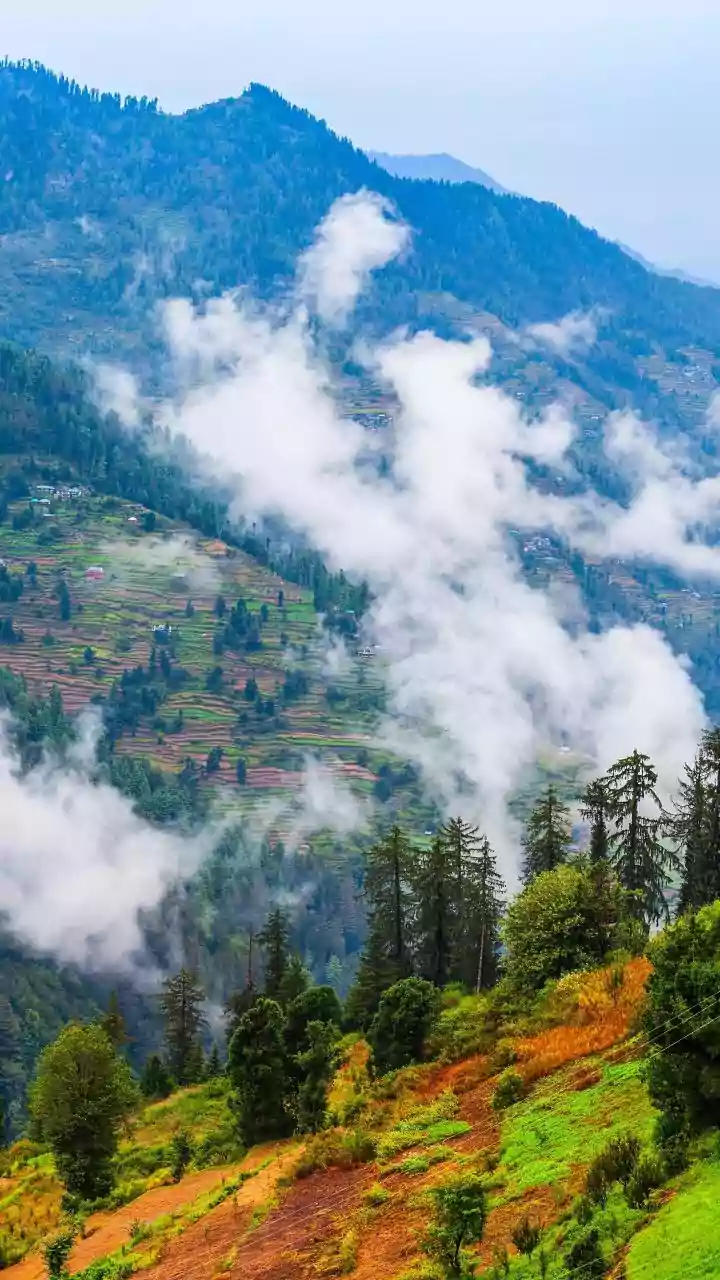
The latest Western Disturbance has made its presence felt across Jammu and Kashmir, Ladakh, Himachal Pradesh, and Uttarakhand. Weather monitoring stations have recorded a noticeable dip in both minimum and maximum temperatures, falling several degrees below the seasonal average. In popular tourist destinations like Shimla, Manali, and Gulmarg, residents and the few off-season travellers are reaching for heavy woollens much earlier than usual. The India Meteorological Department (IMD) has reported light to moderate rainfall in the lower reaches and the season's first significant snowfall in the higher mountain passes. This sudden drop is a classic sign of a potent WD moving through the region, temporarily disrupting the milder autumn weather that typically precedes the harsh winter.
More Than Just a Winter Chill
While a cold snap is the most immediate effect, the importance of Western Disturbances goes far beyond a change in temperature. They are the primary source of winter precipitation for Northern India, which is critical for several reasons. The snow that blankets the Himalayas acts as a natural reservoir, feeding perennial rivers like the Ganga, Indus, and Yamuna during the summer melt. This water is vital for drinking, irrigation, and hydroelectric power generation for millions downstream. Furthermore, the winter rain is crucial for the health of Rabi crops, particularly wheat, which is a staple food for a vast portion of the country. A good winter season, powered by healthy WDs, often translates to a bountiful harvest. So, while they might bring a temporary shiver, these systems are an essential part of India's agricultural and hydrological cycles.
The Other Side: Risks and Disruptions
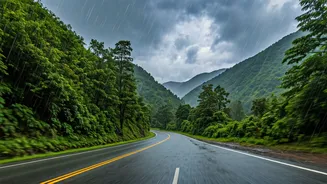
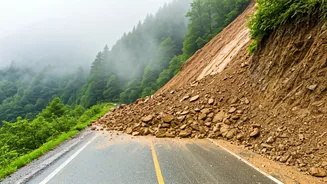
However, Western Disturbances are not entirely benign. Intense WDs can trigger a host of problems. Heavy snowfall can cut off remote villages, block major highways like the Srinagar-Leh road, and lead to avalanches in vulnerable areas, posing a significant risk to life and property. In the lower hills, intense rainfall can lead to landslides and flash floods, damaging infrastructure and disrupting transport. For the agriculture sector, an untimely or excessively strong WD can also be detrimental, causing crop damage through hailstorms or waterlogging. Aviation is also frequently affected, with poor visibility and heavy precipitation leading to flight delays and cancellations at airports in Srinagar, Kullu, and Dehradun. Authorities and disaster management agencies in these states remain on high alert whenever a strong WD is forecast.
What to Expect Next
According to IMD forecasts, the current system is expected to continue influencing the weather over the Western Himalayan Region for the next couple of days, bringing more rain and snow before it moves eastward and weakens. The cold conditions are likely to persist, and a cold wave might even extend into the plains of Punjab, Haryana, and Rajasthan as the system passes. This event serves as a clear curtain-raiser for the approaching winter. The frequency and intensity of these disturbances will increase in the coming months, shaping the severity of the winter season not just in the mountains but across the entire northern belt of India. For now, the message is clear: winter is no longer coming; it has announced its arrival in the high Himalayas.