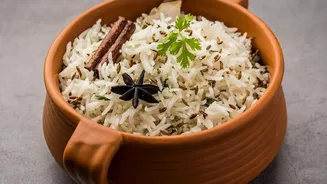








A Perfect Flavour Contrast
The magic of mint and cumin lies in their beautiful contrast. Cumin, with its warm, earthy, and slightly smoky aroma, provides a robust foundation. Its primary flavour compound, cuminaldehyde, gives it a distinctive pungent character that deepens with cooking.
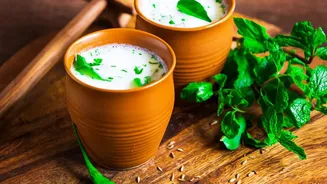
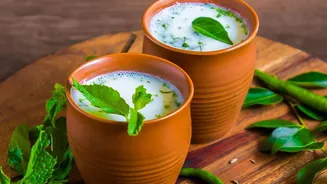
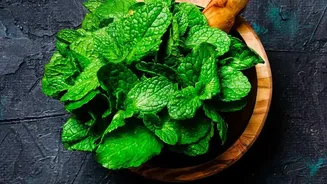
Mint, typically spearmint (Mentha spicata) in Indian cooking, offers a fresh, cool counterpoint. This isn't just about taste; it's a balance of sensations. The warmth of cumin is perfectly offset by the cooling effect of mint, creating a flavour profile that is complex, refreshing, and deeply satisfying without being overwhelming. This pairing is a classic example of how contrasting flavours can create a harmonious and balanced dish.
Cumin: The Art of the Tadka
To truly understand cumin's role, one must understand the 'tadka'—a cornerstone of Indian cooking. Also known as tempering, tadka is the process of heating whole spices in hot oil or ghee to unlock their essential oils and infuse the fat with their flavour. For cumin, this technique is transformative. When whole cumin seeds are added to hot oil, they sizzle and pop, releasing a nutty, toasty aroma that is far more complex than that of the pre-ground powder. This flavoured oil then becomes the base of the dish, ensuring the essence of cumin permeates every grain of rice or piece of vegetable. While ground cumin is useful for marinades and spice blends where even distribution is key, whole cumin in a tadka provides a foundational layer of flavour that is impossible to replicate.
Mastering Pudina Pulao (Mint Rice)
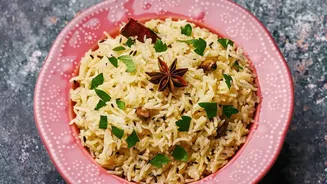
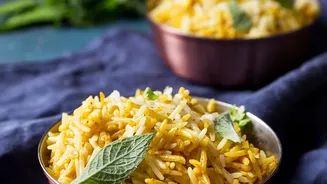
Pudina Pulao, or mint rice, is perhaps the most famous showcase of this pairing. The process is simpler than it looks and centres on creating a vibrant green paste. This paste typically involves blending fresh mint leaves—and often fresh coriander to round out the flavour—with ginger, garlic, and green chillies. Some recipes also include a little coconut to balance any potential bitterness from the mint. The process begins with a tadka of whole spices, often including cumin seeds, in ghee or oil. The ground mint paste is then sautéed for a few minutes to cook off the raw taste before the soaked rice and water are added. The result is a fragrant, flavourful, and visually stunning rice dish where the cool notes of mint are grounded by the warmth of cumin and other spices.
Transforming Everyday Vegetables
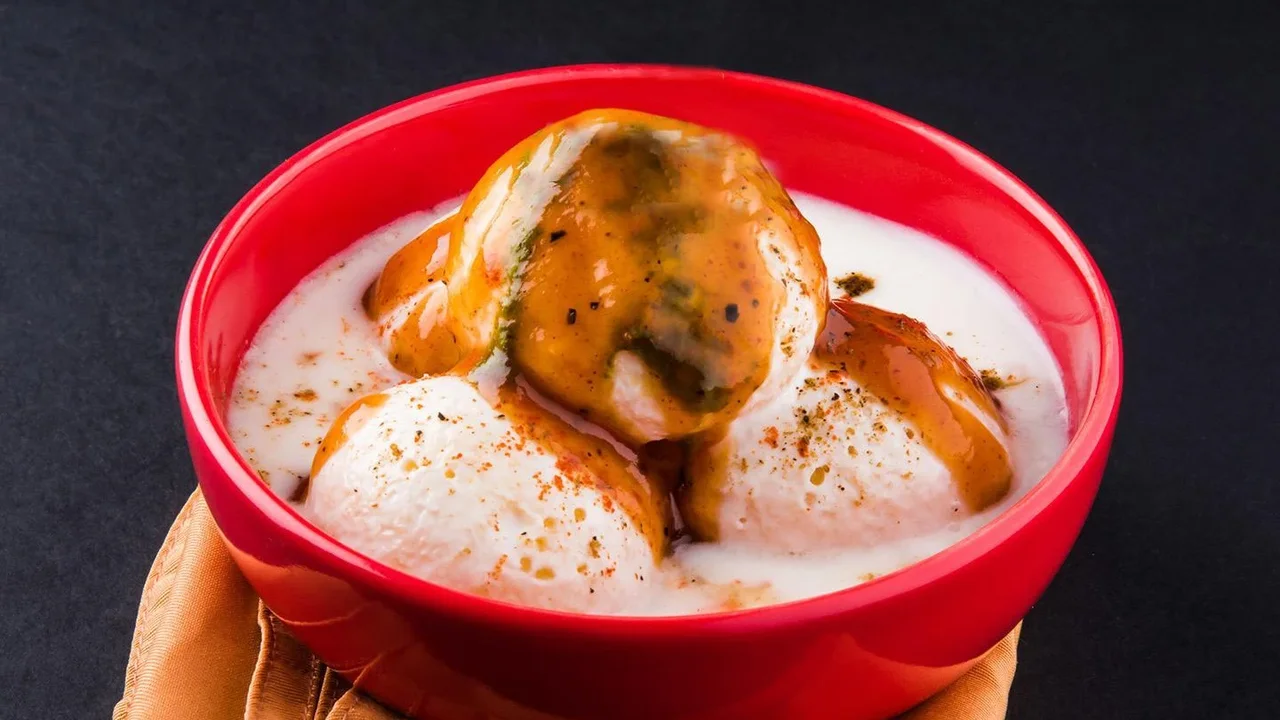
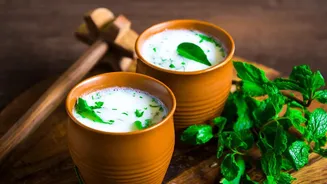
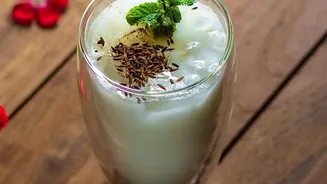
Beyond rice, the mint-cumin combination is a powerful tool for elevating vegetable dishes. A simple stir-fry or 'sabzi' can be instantly lifted. Start with a cumin tadka, sauté your onions, and then add your choice of vegetables like potatoes, peas, carrots, or cauliflower. A paste of mint, coriander, and green chillies can be added along with the vegetables to create a light, green gravy, as seen in dishes like 'Veg Hariyali'. The duo also shines in cooling yogurt-based dishes like raita. A simple mix of yogurt, chopped mint, and a sprinkle of roasted cumin powder creates a refreshing side that perfectly complements a spicy meal. This same combination works as a chutney or a marinade for paneer or roasted vegetables, demonstrating its incredible versatility.
Tips for Perfect Flavour
To get the most out of mint and cumin, keep a few things in mind. Always try to use whole cumin seeds for your tadka and toast them until they become fragrant and darken slightly—but be careful not to burn them, which can happen in seconds. For mint, use the freshest leaves you can find and be mindful that it can have a dominant flavour; it is often balanced with coriander leaves in pastes. Lastly, don't be afraid to make roasted cumin powder at home. Simply dry-toast whole seeds in a pan until aromatic and then grind them. The flavour is far superior to store-bought versions and is a fantastic finishing spice for raita, salads, and chaat.