




The Safest Trip Is the One Not Taken
The most crucial decision you can make during a heavy rainfall alert is to postpone non-essential travel. The India Meteorological Department (IMD) has issued warnings for states including Tamil Nadu, Kerala, and Karnataka, forecasting wet conditions
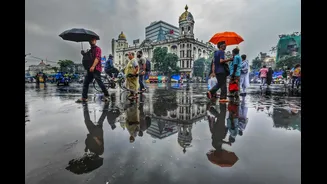
through the week. Authorities advise extra caution, as heavy showers can trigger waterlogging, poor visibility, and landslides in vulnerable areas. Before you even consider starting your journey, check the latest district-level weather alerts from official sources like the IMD website or the 'Sachet' and 'Damini' apps. If a severe weather warning is active for your route or destination, the safest course of action is to stay put. No meeting or holiday is worth risking your safety.
Prepare Your Vehicle Before You Leave
If you absolutely must travel, a pre-trip vehicle check is non-negotiable. First, inspect your tyres. Ensure they have adequate tread depth, as worn tyres cannot effectively channel water and dramatically increase the risk of skidding or hydroplaning. Second, check your wiper blades. If they leave streaks or don't clear the windscreen properly, replace them. Third, test your brakes, headlights, and tail lights to ensure they are fully functional for low-visibility conditions. Finally, make sure you have a full tank of fuel. Getting stranded in a remote area during a downpour is a dangerous situation that can be avoided with simple preparation.
Equip Your Car with an Emergency Kit
An emergency kit is not a luxury; it's a necessity for monsoon travel. Your kit should be practical and accessible. Essential items include a powerful, waterproof flashlight with extra batteries, a reflective warning triangle to alert other drivers if you break down, and a complete first-aid kit. Also, pack a portable tyre inflator, jumper cables, and a basic toolkit. Given the conditions, keeping a rain poncho, umbrella, and a dry set of clothes is also wise. Finally, a fully charged power bank for your phone can be a lifesaver, ensuring you can call for help or check for route updates.
On the Road: Adjust Your Driving
Driving in heavy rain demands a complete change in your approach. The single most important rule is to slow down significantly—by at least 30-50% compared to your normal speed. Increase the following distance between your vehicle and the one in front to at least six seconds to account for longer braking distances on wet roads. Keep your low-beam headlights on even during the day to improve your visibility and make you more visible to others. Avoid using high beams, which reflect off the rain and can reduce your own vision. Never use hazard lights while moving, as this can confuse other drivers. Gentle braking and smooth steering inputs are key to maintaining control and preventing skids.
Navigating Waterlogged Roads and Floods
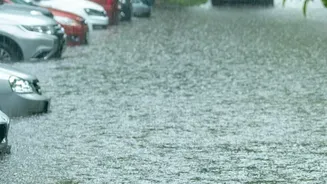
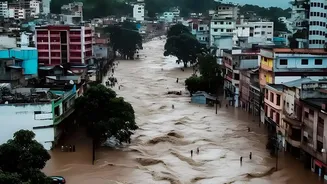
Encountering a waterlogged street is one of the biggest dangers. If you are unsure of the depth, do not attempt to drive through it. Standing water can hide open manholes, deep potholes, or other debris. As a rule, if the water is higher than the bottom half of your tyres, it's too deep, and you risk water entering your engine's air intake or exhaust, causing catastrophic damage. If your car stalls in water, do not try to restart it. This can cause a hydrostatic lock, which can permanently destroy the engine. If you get trapped, it is often easier to break a side window to escape than to try and open a door against the force of the water. Your safety is more important than your vehicle.