





A New Economic Engine for a Tribal Heartland
The primary driver behind the push for bike tourism in Manyam is economic development, specifically aimed at creating sustainable livelihoods for the local tribal communities. For years, the district's immense natural beauty—characterized by dense forests,
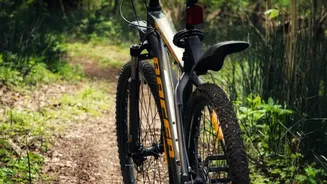
rolling hills, and stunning waterfalls—has been a largely untapped resource. The administration sees an opportunity to change this by attracting a new kind of tourist: the motorcycle enthusiast. By developing tourism, the government aims to generate revenue and create jobs for tribal youth, who can work as guides or run small businesses. This initiative builds on the success of a pilot project launched in October last year, where local Adivasi youth used motorcycles to ferry tourists to 16 remote waterfalls, a service that received a positive response. The goal is to move beyond scattered efforts and create a structured tourism model that benefits the community directly.
The Untapped Allure of Manyam
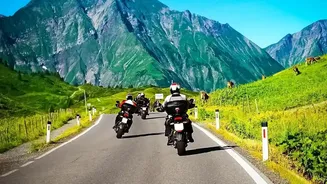
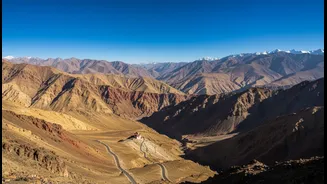
Parvathipuram Manyam is a region ripe for adventure. Its winding ghat roads and scenic landscapes are already popular with some self-riding motorcyclists and eco-tourists. The district is home to numerous waterfalls, including notable sites like Moganali, Sikhaparuvu, and Lodda, earning it the nickname "Home of Waterfalls." However, many of these locations lacked basic infrastructure and proper road connectivity, making them difficult to access. The new bike tourism initiative aims to formalize these routes. The district collector has directed officials to identify safe 30-kilometer stretches in each of the four assembly constituencies that connect key attractions like waterfalls, scenic viewpoints, and trekking trails. This plan will create curated circuits for riders, making the region's beauty more accessible while ensuring a structured and safer experience.
Crafting the Rider's Experience
The plan goes beyond just identifying routes. The district administration is working on a comprehensive action plan that includes developing necessary infrastructure. This involves setting up rest shelters, creating secure overnight stay facilities, and ensuring clear signages. There is also a focus on providing tourists with an authentic local experience, including access to local fruits and snacks. Building on the community-led 'Adi Karma Yogi' model, which has already received national recognition, the administration is empowering Adivasi communities to participate directly. In some areas, locals have already taken the initiative to clear paths and build bamboo bridges with minimal government funding, showcasing a powerful spirit of community involvement. This bottom-up approach ensures that the tourism offerings are authentic and the economic benefits are shared.
Balancing Adventure with Conservation
With its rich biodiversity and significant forest cover, promoting tourism in Manyam requires a delicate balance. The government's strategy is rooted in the principles of ecotourism, aiming for low environmental impact and high community involvement. The Andhra Pradesh Ecotourism Policy emphasizes responsible tourism to ensure that natural habitats are preserved. The bike tourism project is being developed in close coordination with the Forest Department to ensure that the identified routes do not disturb sensitive wildlife corridors. The larger vision for the state includes enhancing green cover and protecting forest land as a national asset. By training local youth as guides and promoting homestays, the model encourages a form of tourism where the community itself becomes the steward of its environment, incentivized to protect the natural resources that attract visitors.