






On The Road: Driving Dangers
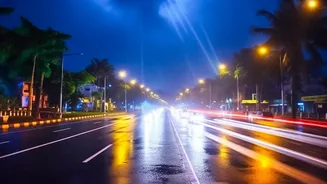
The most immediate risk during a rainy trip begins the moment you get behind the wheel. Heavy downpours drastically reduce visibility for you and other drivers. Roads become slick, especially within the first few hours of a storm when rain mixes with oil
and grime on the asphalt, increasing the chances of skidding. The danger of 'hydroplaning'—where your tires lose contact with the road and ride on a thin layer of water—is significant, potentially causing a complete loss of steering and braking control. Driving at night in the rain multiplies these risks. It's crucial to slow down, increase your following distance to at least four seconds, and use dipped headlights. Before you even leave, check that your tires, wipers, and brakes are in good working order. If conditions are severe, the safest decision might be to delay your journey until the weather improves.
Nature's Fury: Floods and Landslides
Beyond the highway, a rainy forecast can signal more severe natural threats, particularly in hilly or coastal regions. Prolonged, heavy rain saturates the soil, creating a high risk of landslides, which can block roads or, in the worst cases, sweep away vehicles and buildings. Similarly, flash floods are a deceptive and deadly hazard. A storm miles upstream can send a sudden wall of water through narrow valleys, canyons, and low-lying areas with little to no warning. It only takes about two feet of moving water to float most vehicles, including SUVs. Never attempt to drive through a flooded road; the water could be deeper than it appears and may have washed away the road underneath. Be aware of your destination's topography. If you're heading to a region known for these risks, check local advisories and be prepared to change your plans or evacuate to higher ground if warnings are issued.
Destination Dilemmas: Activity and Access
A rainy trip isn't just about getting there safely; it's also about what you can do once you arrive. Many popular outdoor activities, like trekking, camping in dry washes, or water sports, can become extremely dangerous in wet conditions. Trails become slippery and treacherous, and river currents can become too strong. Even if your planned activities are indoors, consider the local infrastructure. Smaller towns or remote resorts might experience power cuts or communication network failures during severe weather, leaving you isolated. Roads leading to your destination could become impassable, stranding you. It’s wise to have a backup plan with indoor alternatives like museums or galleries and to confirm that your accommodation is safely accessible.
Hidden Threats: Health and Hygiene
The risks of a rainy getaway extend to your health. The monsoon season is notorious for an increase in certain illnesses. Water sources can become contaminated, raising the risk of waterborne diseases like cholera, typhoid, and leptospirosis. It's essential to drink only bottled or purified water and to be cautious about street food, which may be prepared in unhygienic conditions. Stagnant water also becomes a breeding ground for mosquitoes, increasing the risk of diseases like dengue and malaria. Furthermore, damp conditions can lead to fungal infections, and the fluctuation in temperature can weaken your immune system, making you more susceptible to colds and viral fevers. Packing a basic first-aid kit with essentials for fever, stomach ailments, and insect repellent is a non-negotiable.