







Putting 25.7 Million Tonnes in Perspective
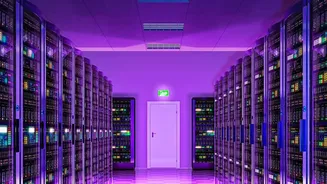
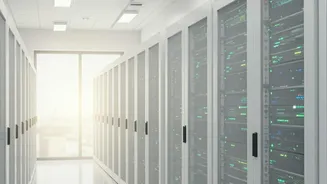
A recent study from Harvard University researchers has quantified the carbon footprint of the 403 largest 'hyperscale' data centres in the United States, and the number is immense: 25.7 million metric tons of carbon dioxide. To put that into perspective,
it's roughly equivalent to the entire annual emissions of Denmark, a nation of nearly six million people. This figure, which covers the year leading up to April 2025, is already considered a conservative estimate by the researchers, as the construction of new data centres has accelerated dramatically since the study concluded. The emissions are two to three times higher than a previous estimate from 2018, highlighting a period of explosive growth. These facilities, the invisible factories of the digital age, consumed an estimated 1.8% of all electricity in the US to power our increasing reliance on cloud computing, streaming services, and artificial intelligence.
The AI Boom's Unseen Energy Cost
The primary driver behind this surge is the unprecedented boom in artificial intelligence. Training and running large-scale AI models is an incredibly energy-intensive process. A single query on an AI chatbot like ChatGPT can consume nearly ten times more electricity than a standard Google search. This isn't just a minor increase; it's a fundamental shift in computing demand. AI servers require dense clusters of powerful graphics processing units (GPUs) that can use three to five times more power per square foot than traditional data centre hardware. The study found that more than half of the electricity powering these massive data centres came from fossil fuels, including natural gas and coal. This reliance on carbon-intensive energy means that as our use of AI grows, so does the environmental toll.
The Challenge for Big Tech's Green Goals
This escalating energy demand is creating a significant challenge for major technology companies, many of whom have made ambitious public commitments to sustainability. The soaring emissions from data centres have reportedly caused some of the biggest names in tech to fall 'off track' with their climate pledges. Between 2022 and 2025, the electricity consumption of giants like Amazon, Google, and Microsoft reportedly rose by 240% amid the AI race. In response, these companies have become the largest corporate buyers of renewable energy in the world, signing massive Power Purchase Agreements (PPAs) to fund the development of new solar and wind farms. Microsoft, for example, recently announced it had contracted enough renewable energy to match 100% of its global electricity use by 2025. However, the reality is complex. The carbon intensity of the energy supplied to US data centres was found to be 48% higher than the national average, indicating a disconnect between corporate purchasing and the actual, real-time energy mix powering their facilities.
It's Not Just About Emissions
The impact extends beyond carbon emissions, creating new pressures on the US power grid. The rapid build-out of data centres, particularly concentrated in states like Virginia—often called 'Data Center Alley'—Ohio, and Iowa, is straining local electricity supplies. This surge in demand from a single industry can lead to higher electricity bills for residential customers as utility providers scramble to build new capacity. There are also wider health implications. A recent MIT study estimated that additional air pollution from data centre electricity demand in 2023 resulted in about 650 premature deaths across the US. This is because increased demand in one area, like Virginia, can force dirtier, older power plants in other regions to ramp up production, with pollutants traveling far from the data centre's physical location.
The Search for Sustainable Solutions
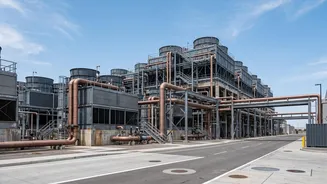
The industry is actively searching for solutions. Beyond purchasing renewables, companies are focused on improving efficiency. A key metric is Power Usage Effectiveness (PUE), which measures how much energy consumed by a data centre goes directly to IT equipment versus overheads like cooling. An ideal PUE is 1.0, and while the industry average hovers around 1.58, the newest, most advanced facilities achieve much lower scores. Innovations in liquid cooling, which is far more efficient than traditional air cooling, are becoming more common. Other novel solutions are emerging, such as co-locating data centres with renewable energy sources like solar farms, or even exploring next-generation geothermal and small modular nuclear reactors to provide constant, carbon-free power. These efforts represent a critical race to balance our world's insatiable appetite for data with the urgent need for a sustainable energy future.