
The Cooling Heart of the Meal
No Indian meal feels truly complete without a dairy element, and more often than not, that role is filled by yoghurt, known domestically as curd or dahi. Its presence is fundamental, serving not just as a side dish but as a crucial culinary tool. The
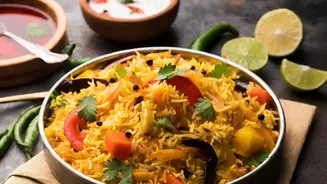
primary function of a curd-based accompaniment is to act as a cooling agent, providing a refreshing counterpoint to the robust spices and heat of main courses like biryani or spicy curries. This ability to balance intense flavours is what makes it so indispensable. Beyond temperature control, curd is a digestive aid packed with probiotics and serves as a tenderiser for meats in marinades. Its mild tanginess and creamy texture can mellow out a dish that's become overly spicy, creating the harmonious flavour profiles that define great Indian food.
Decoding Raita: The Classic Dip
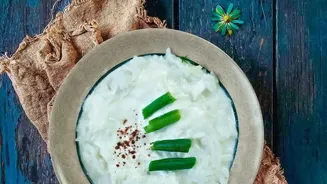
The most well-known yoghurt preparation is undoubtedly raita. At its core, raita is a simple condiment made by whisking curd until smooth and then mixing in vegetables, fruits, or even fried chickpea flour pearls called boondi. The beauty of raita lies in its endless customisation. The base is seasoned with a delicate blend of spices, commonly including roasted cumin powder, black salt (kala namak), and sometimes a pinch of chilli powder or chaat masala for an extra kick. The final touch is often a garnish of fresh herbs like chopped coriander or mint. It's a quick, refreshing, and light side dish that adds both texture and flavour to any meal.
A Raita for Every Palate
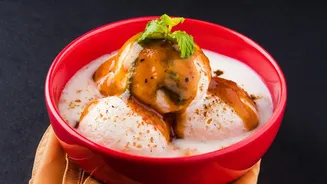
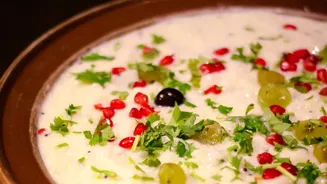
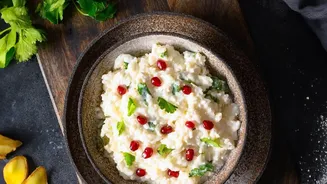
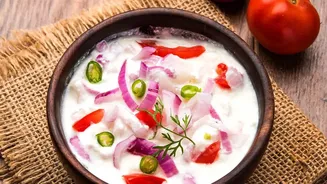
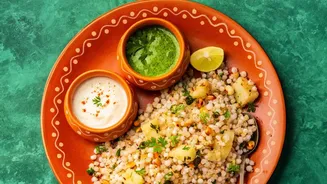
The sheer variety of raitas is a testament to its adaptability. Some of the most popular versions found in homes and restaurants across India include: - Cucumber Raita (Kheera Raita): Grated or finely chopped cucumber is mixed into the curd, offering a fresh, cooling crunch. It's arguably the most classic and popular version.- Boondi Raita: This version adds tiny, crispy balls of fried gram flour (boondi) to the yoghurt. They can be added just before serving for a crunchy texture or allowed to soak to become soft and absorb the creamy curd.- Onion Tomato Raita: A simple mix of finely chopped onions and tomatoes provides a savoury and slightly sharp contrast to the cool yoghurt. It’s a go-to side for pulao and parathas.- Mint Raita (Pudina Raita): A paste of fresh mint leaves, often with coriander and green chillies, is blended into the yoghurt for a vibrant, aromatic, and intensely refreshing dip that pairs wonderfully with kebabs and tandoori dishes.- Pineapple or Fruit Raita: For a sweet and tangy twist, chopped fruits like pineapple, pomegranate, or apples are added. This version can act as both a side dish and a light dessert.
Meet Pachadi: Raita's Southern Cousin
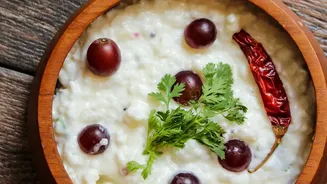
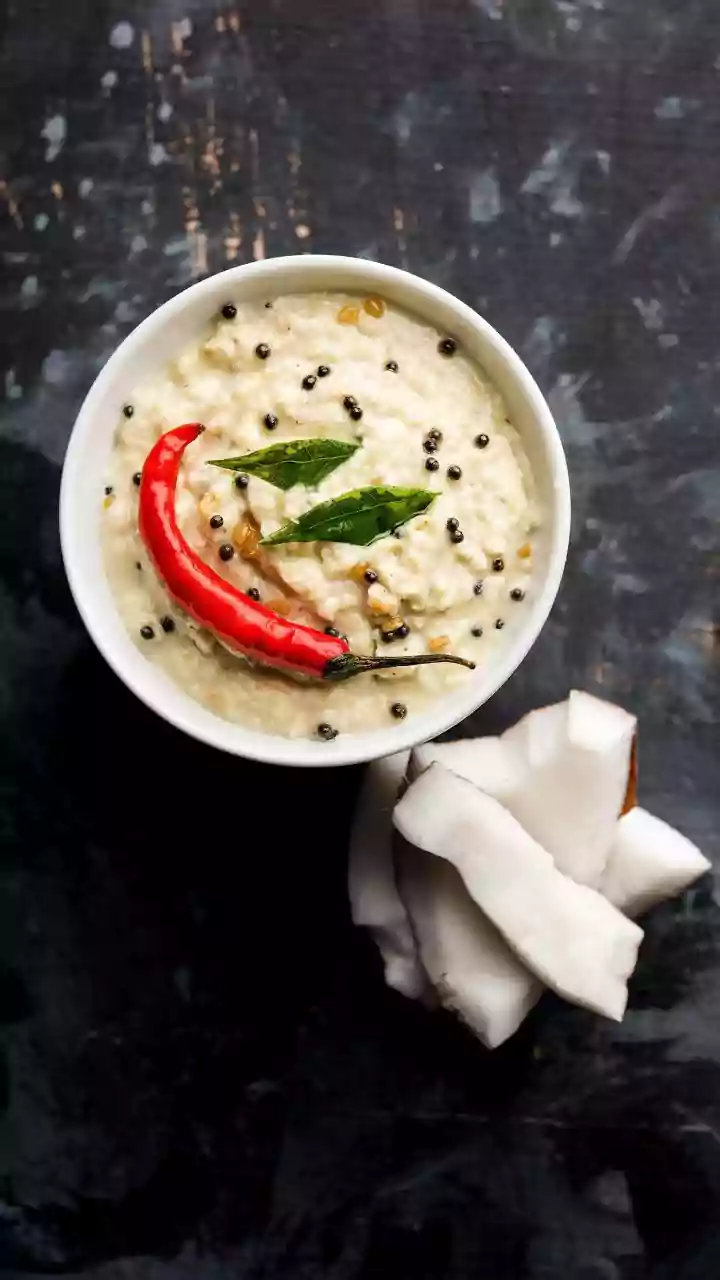
Travel south, and you'll find raita's close relative: pachadi. While the terms are sometimes used interchangeably, there are key distinctions. Pachadi hails from South India and, like raita, often uses a curd base with vegetables. However, pachadi stands apart with the inclusion of a 'tadka' or tempering. This involves heating oil (often coconut oil), spluttering mustard seeds, and adding curry leaves, dried red chillies, and sometimes a pinch of asafoetida. This aromatic mixture is poured over the curd preparation, infusing it with a completely different layer of flavour. Furthermore, many pachadi recipes incorporate ground coconut paste, adding a unique sweetness and texture not typically found in North Indian raitas.
When Yoghurt Becomes Chutney
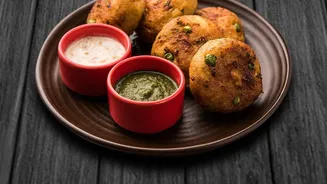
While raitas are thin and pourable, yoghurt can also be the foundation for thicker, more concentrated chutneys. Dahi chutney, or curd chutney, often starts with thick or hung curd to achieve a creamier, dip-like consistency. A common preparation involves blending a standard green chutney base of coriander, mint, ginger, and green chillies, and then whisking this paste into thick yoghurt. The result is a creamy, spicy, and tangy condiment that is less a side dish and more a flavour-packed dip, perfect for serving alongside snacks like samosas, cutlets, or paneer tikka. Other versions might involve cooking curd with a paste of garlic and red chillies until oil separates, creating a rich, pungent chutney to be eaten with roti or rice.