



The Myth of the 'Unhealthy' Thali
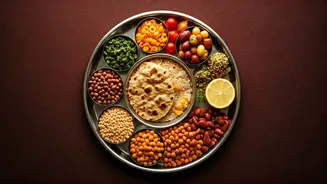
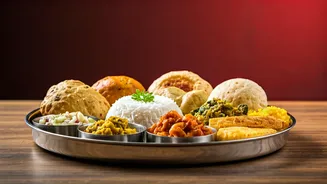
Indian cuisine is often unfairly labelled as 'unhealthy', usually because of its association with rich, creamy, restaurant-style curries and deep-fried snacks. But a traditional, home-cooked Indian meal is fundamentally balanced. A typical thali contains
carbohydrates (roti/rice), protein (dal/legumes), vitamins and fibre (sabzi/vegetables), and healthy fats (a dollop of ghee). The problem isn't the food itself, but often the preparation methods and portion sizes that have become common. The secret to healthier Indian food isn't to replace it with salads and smoothies, but to rediscover the inherent wisdom of our everyday cuisine with mindful cooking practices.
Rethink Your Relationship with Oil
One of the easiest ways to cut down on hidden calories is to manage your oil usage. Many recipes can be made with a fraction of the recommended oil without losing flavour. Using a good quality non-stick pan allows you to sauté onions and spices with just a teaspoon of oil. For dishes that require a 'tadka', dry-roasting spices like cumin and mustard seeds in a hot pan until they become fragrant before adding them to a dal or curry can intensify flavour beautifully. Another simple trick is to use splashes of water or vegetable stock while cooking your masala base; this prevents sticking and helps cook ingredients through without needing excess fat.
Smart Swaps, Not Sacrifices
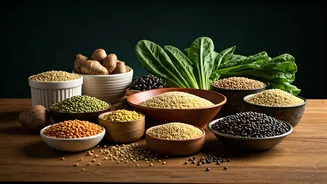
Making your meals healthier doesn't require exotic ingredients. It's about making smarter choices with what's already in your pantry. Swap refined white rice for brown rice, millets, or quinoa, which are higher in fibre and nutrients. Instead of using only refined wheat flour (maida) for rotis or parathas, switch to whole wheat flour (atta) or a mix of millet flours like jowar or ragi. When a recipe calls for cream or cashew paste to thicken a gravy, consider using low-fat yogurt, milk, or even a purée of boiled vegetables like pumpkin or lauki. For sweetness in desserts, try replacing some of the sugar with jaggery or dates.
Upgrade Your Cooking Methods
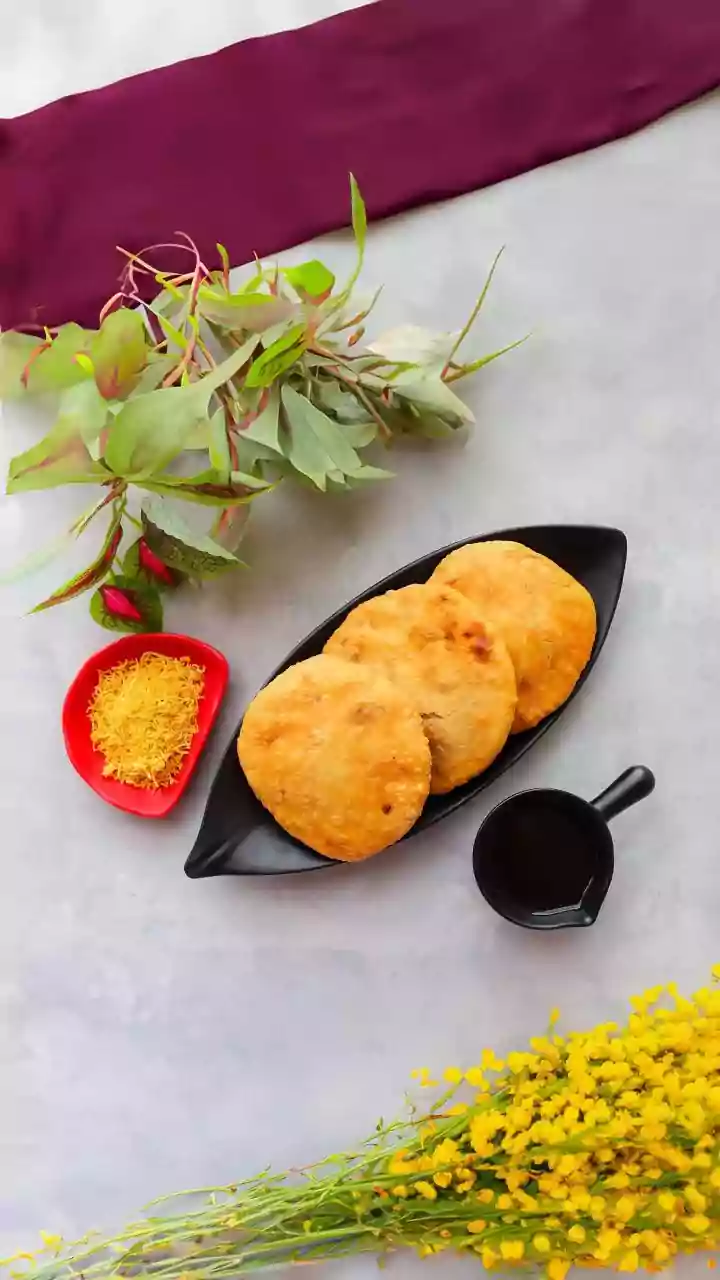
How you cook is as important as what you cook. Instead of deep-frying snacks like samosas or pakoras, try baking or air-frying them for a crispy texture with significantly less oil. Tandoori-style cooking, which uses a clay oven with minimal oil, is another excellent way to prepare meats and vegetables. Steaming is a zero-fat cooking method perfect for dishes like idli and dhokla, but can also be used for vegetables to retain their nutrients and crunch. Blanching vegetables before adding them to curries helps them cook faster and absorb spices better, reducing overall cooking time and the need for more oil.
The Power of the Plate
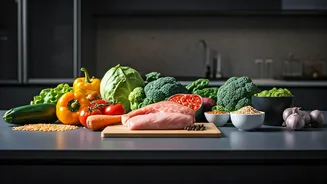
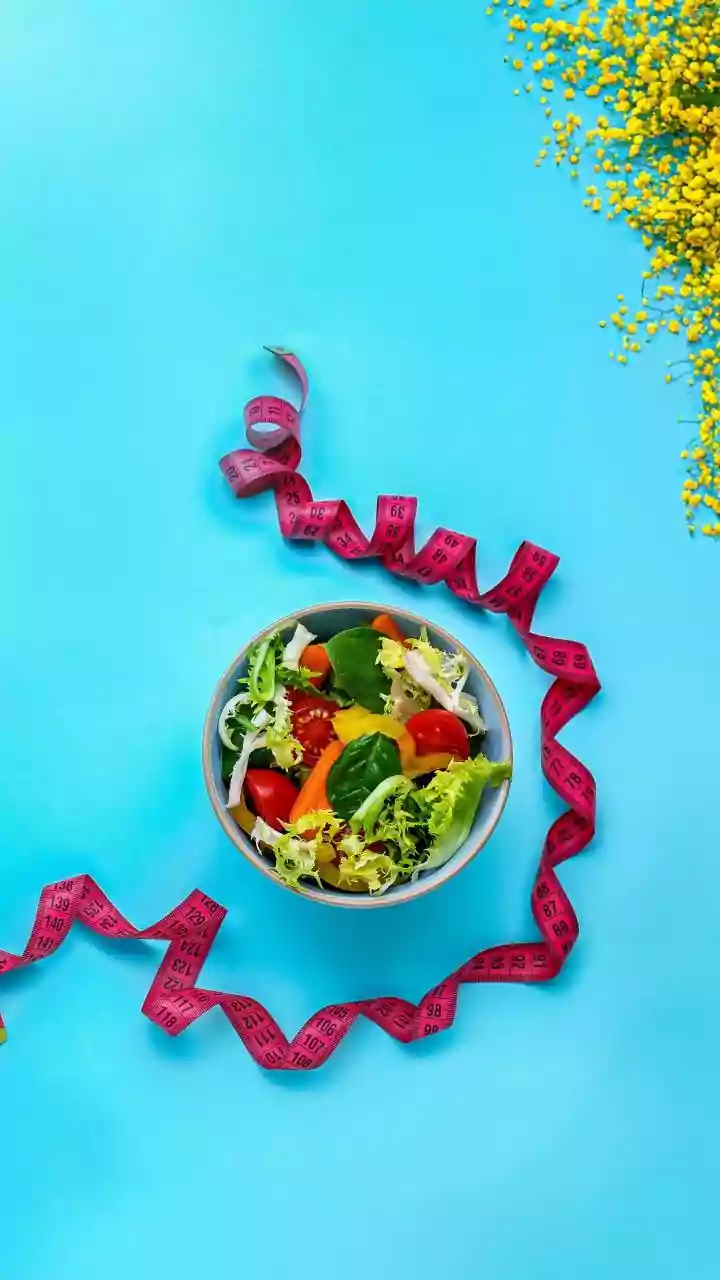
Portion control is a simple yet powerful tool. The 'balanced plate method' is an easy guide: fill half your plate with non-starchy vegetables (like spinach, brinjal, or beans), a quarter with a protein source (dal, paneer, chicken, or fish), and the final quarter with carbohydrates (roti or a small portion of rice). Eating your vegetables or a salad first can help you feel fuller faster, naturally reducing your intake of carbs. And remember to eat slowly and mindfully. It takes about 20 minutes for your brain to register that you're full, so savouring your meal can prevent overeating.