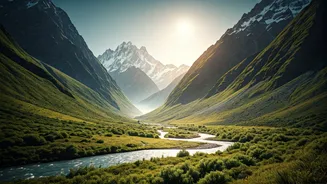




Valley of Flowers, Uttarakhand: A Classic Reborn
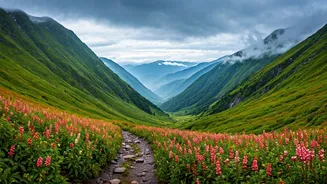
A UNESCO World Heritage site, the Valley of Flowers in Chamoli district has always been a bucket-list trek. But now, it’s a premier example of nature’s resilience. The park officially opened for the season on June 1st and will remain accessible until
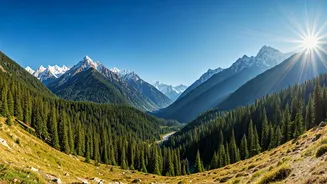
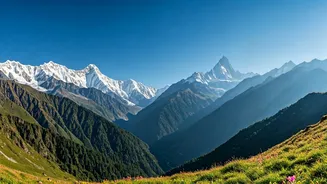
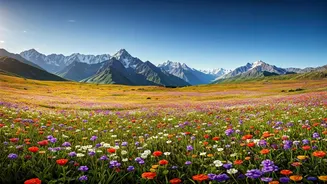
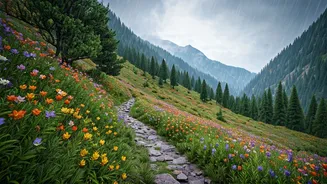
October. [4] Currently, it is home to over 300 species of flowers, with the peak bloom from mid-July to mid-August promising a carpet of over 600 varieties. [4] Recent efforts have focused on repairing paths damaged by snowfall and constructing temporary bridges over streams, improving accessibility for trekkers. [13] An online registration system has also been introduced, streamlining the visitor experience. [13] The trail, a 16-km trek from Govindghat, takes you into an alpine meadow that is a haven for rare flora, including the elusive Brahmakamal. [4] It’s a moderate trek that offers an unparalleled immersion in Himalayan biodiversity. [26]
Tirthan Valley, Himachal Pradesh: The Eco-Warrior’s Paradise
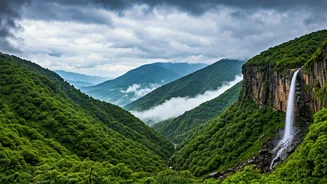
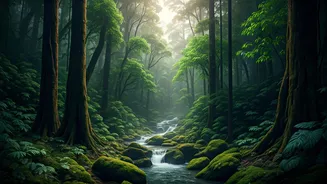
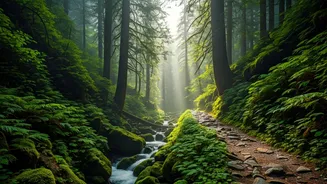
Set in the eco-zone of the Great Himalayan National Park (GHNP), Tirthan Valley has become a pioneering hub for sustainable travel. [11] Local communities and organisations like the Tirthan Conservation and Tourism Development Association are actively working to preserve the valley's pristine character. [11] When you trek here, you’re not just a tourist; you’re a partner in a community-led conservation movement. Initiatives focus on waste reduction, promoting homestays over commercial hotels, and sourcing local produce, ensuring that tourism benefits the local economy directly and sustainably. [16] The treks here, ranging from gentle riverside walks to challenging multi-day hikes into the GHNP, offer a chance to experience a model of tourism where nature and community thrive together. The focus is on preserving the environment, which means the trails are cleaner and the experience more authentic. [25]
Har Ki Dun, Uttarakhand: The Cradle of Culture
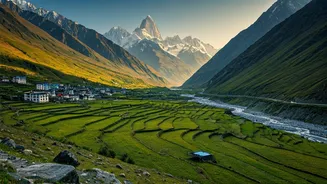
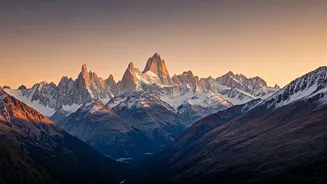
Often called the “Valley of Gods,” the Har Ki Dun trek is as much a cultural journey as it is a natural one. [23] This cradle-shaped valley takes you through ancient villages like Osla, where you can see traditional wooden houses and learn about local folklore—including the region's unique history with the Mahabharata. [24] Recent itinerary adjustments by trekking companies have made the route more manageable, typically spanning 7-8 days from Dehradun. [21, 23] The trail, which follows the Supin River through the Govind Pashu Vihar National Park, is a gradual ascent through pine forests and meadows, making it suitable for beginners and families. [23] While camping in the main meadow is restricted to protect the fragile ecosystem, the trek offers stunning views of the Swargarohini peaks and a chance to experience the warm hospitality of Garhwali villages. [21, 22]
Markha Valley, Ladakh: The High-Altitude Homestay Trail
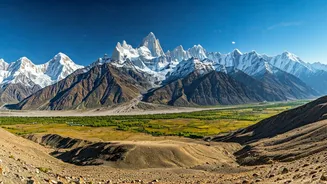
Known as “Little Tibet,” the Markha Valley trek in Ladakh offers a spectacular journey through a high-altitude desert landscape. What makes it better than ever is the strengthening of its homestay network, a system that allows trekkers to experience Ladakhi culture firsthand while contributing directly to the local economy. [7] Staying in these village homes, which operate on a rotational basis to ensure fairness, provides an intimate glimpse into a traditional way of life. [3, 5] The trail itself is a magnificent traverse of colourful rock formations, green oases, and ancient monasteries, with views of the Stok and Zanskar ranges. [5] The ability to do this multi-day trek independently, moving from one homestay to the next without needing to carry extensive camping gear, has made it one of the most accessible and culturally immersive high-altitude treks in the Himalayas. [3, 7]