




Protect Your Tech: The Dry Bag Defence
Your first line of defence against moisture is a good quality dry bag. While zip-lock pouches are a decent last-minute option for phones and wallets, they are not foolproof against heavy rain. A dedicated dry bag, often with a roll-top seal, provides
far superior protection for expensive electronics like cameras, laptops, and power banks. For an extra layer of security, especially in humid coastal areas or hill stations, place your gadgets in their individual waterproof pouches first before putting them inside the main dry bag. This double-bagging method ensures that even if your main backpack gets damp, your electronics remain completely isolated from moisture.
Harness the Power of Silica Gel
Humidity is the invisible enemy of electronics during the monsoon. Even when not directly exposed to rain, the ambient moisture in the air can seep into your devices, causing corrosion and malfunction. The simple solution is to strategically place silica gel packets in your luggage. These small, inexpensive packets are highly effective at absorbing moisture from the surrounding air. Toss a few into your camera case, laptop sleeve, and main backpack compartments to create a drier microenvironment for your gadgets, protecting them from the inside out.
The Emergency Tech Rescue Plan
If a device does get wet despite your precautions, act fast. The first and most crucial step is to turn it off immediately to prevent short-circuiting. Do not attempt to charge it or press any buttons. Gently wipe the exterior with a soft, dry cloth and remove any SIM cards or memory cards. If you have silica gel packets, place the device in a sealed container with them for 24 to 48 hours to draw out the moisture. While many suggest using uncooked rice, it is less effective and can introduce dust into the device's ports. Patience is key; only try to turn the device on after you are certain it is completely dry.
Shoe Care: The Preventative Spray
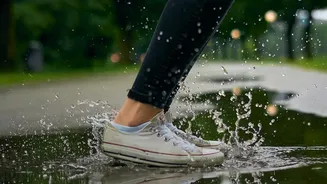
The best way to deal with wet shoes is to stop them from getting soaked in the first place. Before you travel, invest in a quality waterproofing spray suitable for your shoe material. For leather, synthetic, or canvas shoes, a silicone-based spray creates a protective barrier that causes water to bead up and roll off instead of soaking in. Apply the spray evenly on clean, dry shoes, paying extra attention to seams and stitches where water is most likely to seep through. Allow them to dry completely, ideally for 24 hours, before wearing them. Reapply every few weeks during the monsoon for continued protection.
The Classic Newspaper Drying Trick
If your shoes do fall victim to a downpour, the age-old newspaper hack remains one of the most effective drying methods. As soon as you take them off, remove the laces and insoles to dry separately, which improves air circulation. Then, crumple up balls of newspaper and stuff them tightly inside each shoe. The paper absorbs internal moisture and helps the shoe retain its shape as it dries. It's important to replace the damp newspaper every few hours until the shoes are dry. For light-coloured interiors, use plain, unprinted paper to avoid ink transfer.
Accelerate Drying and Banish Odours
To speed up the drying process, place the stuffed shoes in a well-ventilated area, preferably in front of a fan. The increased airflow is highly efficient at wicking away moisture. Avoid using direct heat sources like hair dryers, as this can cause materials like leather to crack and warp. Once the shoes are mostly dry, you can tackle any lingering musty odours. Sprinkle a small amount of baking soda inside each shoe and leave it overnight. The baking soda will absorb any remaining moisture and neutralise bad smells before you vacuum it out in the morning.
Choose the Right Footwear
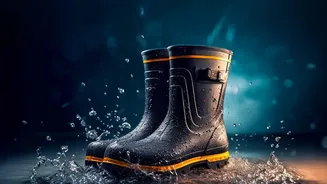
Sometimes, the best hack is choosing the right gear from the start. Heavy fabrics like denim and even some canvases soak up water and take a long time to dry. For monsoon travel, prioritise footwear made from rubber or quick-drying synthetic materials. Sporty sandals with good grip, floaters, or Crocs-style footwear are excellent choices for navigating wet streets and slippery paths. They don't hold water, are easy to clean, and provide the necessary traction on slick surfaces. Having a reliable, quick-dry pair of shoes means you can save your nicer footwear for dry indoor activities.