









A Blueprint Passed Through Generations
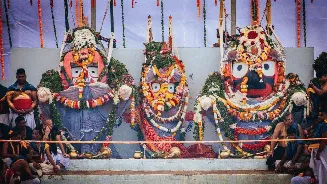
The construction of the three chariots—Nandighosha for Lord Jagannath, Taladhwaja for Lord Balabhadra, and Darpadalana for Devi Subhadra—does not begin with modern blueprints or CAD software. Instead, it relies on hereditary knowledge passed down through
generations of artisans known as 'Biswakarmas' or 'Maharanas'. These master craftsmen possess a staggering mental repository of measurements, joinery techniques, and design principles. They use traditional units of measurement, often based on hand spans and cubits, executing a complex architectural feat from memory. This oral tradition ensures that the chariots are built with the same specifications and sacred geometry every single year, a living link to centuries of devotion.
Sacred Timber and Colossal Scale
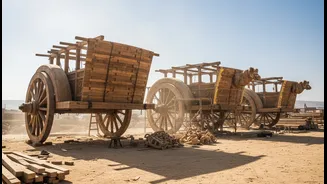
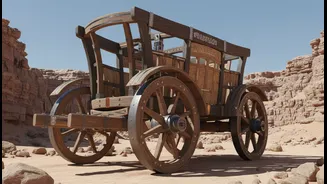
The process begins months before the Yatra on the auspicious day of Akshaya Tritiya. Specific types of wood like Phassi, Dhausa, and Simli are sourced, traditionally from the former princely state of Dasapalla, and floated down the Mahanadi river. The sheer scale is breathtaking. Lord Jagannath's chariot, Nandighosha, stands about 44-45 feet tall, uses 832 wooden pieces, and rolls on 16 massive wheels. Taladhwaja is slightly smaller at around 43-44 feet with 14 wheels, while Darpadalana reaches about 42-43 feet with 12 wheels. In total, over 4,000 wooden components are prepared to construct these three mobile temples.
The Genius of Nail-Free Construction
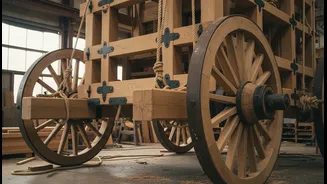
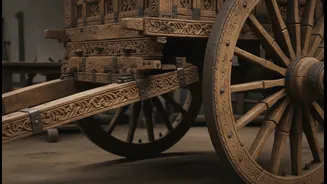
Perhaps the most astounding engineering feat is that these massive structures are assembled without a single iron nail. The entire framework is held together using a sophisticated system of interlocking joints, tenons, mortises, and wooden pegs. This ancient technique is not merely for tradition's sake; it provides the chariots with a crucial degree of flexibility. As these tonnes-heavy structures navigate the crowded streets, pulled by thousands of devotees, the nail-free design allows the frame to absorb shocks and stresses without cracking. It is a testament to an indigenous structural engineering philosophy that prioritizes resilience and adaptability.
The Human Engine: Artisans and Devotion
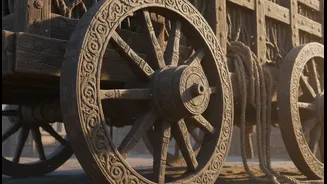
The construction is a synchronized effort involving around 150 to 200 artisans, including carpenters, blacksmiths (for iron axles and rims), tailors who prepare the vibrant canopies, and painters. The carpenters, or Maharanas, are the lead architects and builders. They are divided into teams, each responsible for one chariot. This is not just a job but a hereditary service and a profound act of faith. The blacksmiths forge the clamps and the iron rims for the wheels, the painters adorn the chariots with traditional motifs, and the tailors stitch the massive red, yellow, black, and green cloth coverings that give each chariot its distinct identity. The ropes used to pull the chariots are also specially made from coconut fibre.
More Than a Vehicle, A System
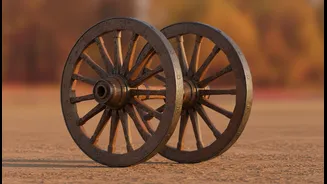
The design incorporates functional elements that are marvels in their own right. The wheels, each seven feet in diameter, are designed to withstand immense weight and friction. A simple but effective braking system, essentially a wooden log positioned in front of the wheels, is operated manually by servitors to control the chariot's momentum. Every single part, from the charioteer's platform to the nine 'Parsva Devatas' (guardian deities) adorning the sides, is created and placed according to strict religious and architectural codes. The result is not just a collection of carts, but three highly specialized, purpose-built vehicles designed for a sacred journey, demonstrating a holistic system of engineering where faith and function are inseparable.