




What is the 'No PUC, No Fuel' Rule?
As part of its annual Winter Action Plan to combat severe air pollution, the government has strictly implemented the 'No PUC, No Fuel' mandate across Delhi-NCR. Effective from October 1, 2026, fuel stations are directed to deny petrol, diesel, and CNG
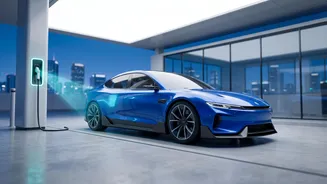
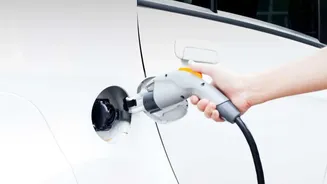
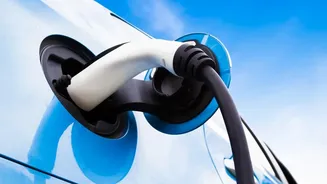
to any vehicle that does not possess a valid Pollution Under Control (PUC) certificate. The rule is being enforced by the Commission for Air Quality Management (CAQM) and is designed to ensure that only vehicles complying with emission norms are allowed to operate, thereby reducing the vehicular contribution to the region's smog. The enforcement applies to all types of vehicles, including two-wheelers. Electric vehicles, due to their zero tailpipe emissions, are exempt from this requirement.
How Is the Rule Being Enforced?
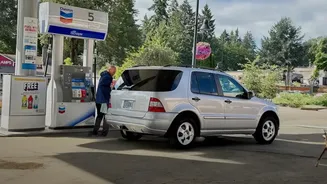
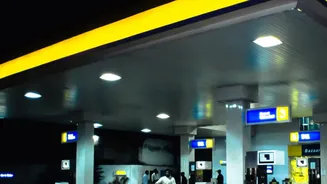
The system is automated to ensure widespread compliance. Around 500 petrol pumps in Delhi are now equipped with Automatic Number Plate Recognition (ANPR) cameras. When a vehicle approaches a fuel dispenser, these cameras scan the license plate. The system then cross-references the vehicle's registration number with the central Parivahan database to instantly verify the status of its PUC certificate. If the certificate is found to be expired or invalid, the system automatically restricts the fuel dispensing process, and an announcement may be made via speakers at the station. This digital-first approach removes manual checks and ensures the rule is applied consistently.
Understanding the PUC Certificate
A PUC certificate is a mandatory document that certifies a vehicle's emissions are within the prescribed government standards. For new cars compliant with BS-IV or BS-VI emission norms, a PUC certificate is required after the first year and is then valid for 12 months. For older vehicles, the validity is typically shorter, often three or six months. The test measures pollutants like carbon monoxide and hydrocarbons to ensure they do not exceed safe levels. It is a legal requirement under the Motor Vehicles Act, separate from the new fuel rule.
How to Get or Renew Your PUC Certificate
Getting a PUC test is a straightforward offline process. You must take your vehicle to an authorised emission testing centre, many of which are located at petrol pumps. A technician will insert a probe into the vehicle's exhaust pipe to measure emissions. If your vehicle passes, the operator generates a digital certificate that is updated in the Parivahan database. The cost is nominal, generally ranging from ₹60 to ₹100 depending on the vehicle type. While the test is physical, you can download a digital copy of your valid certificate anytime from the official Parivahan website by entering your vehicle registration and chassis numbers.
Penalties Beyond Fuel Disruption
Beyond being denied fuel, driving without a valid PUC certificate carries significant financial penalties. Under the Motor Vehicles Act, vehicle owners can be fined up to ₹10,000 for non-compliance. In some cases, authorities may also suspend the driver's license for up to three months. The enforcement is part of a broader crackdown on pollution, which also includes restrictions on older diesel and petrol vehicles and other measures under the Graded Response Action Plan (GRAP). These steep penalties underscore the government's serious intent to curb vehicular pollution ahead of the winter season, when air quality in the region typically plummet.