





The Dawn of a New Attacking Era
The single biggest reason for optimism in the Brazil camp is the electrifying forward line. The era of relying solely on Neymar's magic seems to be ending, replaced by a multi-pronged attack led by a new generation of superstars. At the forefront are
Real Madrid's dynamic duo, Vinícius Júnior and Rodrygo. Vini Jr., now widely considered one of the best players in the world, brings explosive pace, dazzling dribbling, and a newfound clinical edge. His ability to decide big games, as seen in multiple Champions League finals, gives Brazil a talismanic figure for the present and future. Alongside him, Rodrygo offers versatility, intelligence, and a clutch gene for scoring crucial goals. The excitement multiplies with the impending arrival of Endrick, the teenage prodigy who has already started scoring for the national team. This trio represents a frightening prospect for any defence, offering a blend of speed, skill, and unpredictability that Brazil hasn't possessed in such depth for years.
Solving the Neymar Conundrum
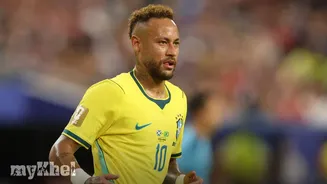
No conversation about Brazil is complete without discussing Neymar. The team's creative hub for over a decade, his future role is the biggest question mark. Coming off a serious knee injury and playing in the Saudi Pro League, his match fitness and ability to compete at the highest level will be under intense scrutiny. A fully fit and motivated Neymar is still a world-class asset, capable of unlocking any defence. However, the team's over-reliance on him has been a weakness in past tournaments. The challenge for coach Dorival Júnior will be to integrate Neymar into the new system without stifling the burgeoning influence of Vinícius Jr. and others. Will he be the undisputed star, a veteran leader coming off the bench, or a mentor figure? Finding the right balance will be crucial; a mismanaged transition could create friction and disrupt the team's rhythm.
The Midfield and Defensive Question Marks
While the attack dazzles, the foundation of the team remains a work in progress. World Cups are often won by teams with solid midfields and impenetrable defences. Brazil has elite individual talent here, with players like Casemiro, Bruno Guimarães, and Lucas Paquetá in the midfield, and Marquinhos and Éder Militão at the back. However, consistency and cohesion have been issues. The team has looked vulnerable to counter-attacks, and the midfield has at times struggled to control the tempo of games against high-pressing European sides. The disappointing start to the 2026 qualifying campaign highlighted some of these frailties. For Brazil to become champions, they need more than just individual brilliance. They need a midfield engine that can shield the defence and a backline that is organised, disciplined, and less prone to lapses in concentration. This is perhaps Dorival Júnior's most significant tactical puzzle.
The Psychological Weight of the Yellow Shirt
Playing for Brazil is not just a sporting assignment; it's a national duty that comes with immense psychological pressure. The five stars on the crest serve as a constant reminder of past glory and a benchmark for the current generation. Since the 2002 victory, every subsequent World Cup has ended in disappointment, often against European opposition in the knockout stages. The 7-1 semi-final humiliation against Germany on home soil in 2014 left a deep scar that has yet to fully heal. This team must prove it has the mental fortitude to handle the crushing weight of expectation. They need to overcome the quarter-final hurdle that has tripped them up in four of the last five tournaments. Building a resilient, unbreakable team spirit is just as important as perfecting tactics. Can they play with the joy ('joga bonito') that Brazilian football is famous for, while also possessing the grit and steel needed to win ugly when required?