


Why the Monsoon Magnifies Food Risks
The rainy season creates the perfect storm for foodborne illnesses. High humidity and ambient moisture are ideal breeding grounds for bacteria, mould, and fungi. Studies have shown that bacterial growth accelerates significantly in humid conditions. Food
that might be perfectly fine left on the counter for a short while in drier weather can spoil much faster during the monsoon. This is because moisture is a critical factor for microbial growth, allowing bacteria like Salmonella and E. coli to multiply rapidly. Contaminated water sources, a common issue during heavy rains, can also introduce pathogens to fresh produce and kitchen surfaces, increasing the overall risk.
The Golden Rule: Heat It Right
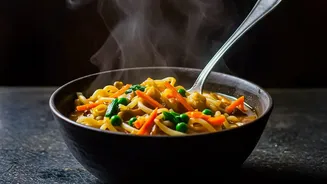
The single most important rule for safely reheating leftovers is to get them hot enough to kill any bacteria that may have developed during storage. Food safety authorities recommend heating leftovers to an internal temperature of at least 74°C (165°F). Simply warming the food is not enough; it needs to be piping hot throughout. Sauces, soups, and gravies should be brought to a rolling boil. When using a microwave, cover the food to retain moisture and ensure it heats evenly, stirring it halfway through the process. Never use slow cookers or chafing dishes for reheating, as they heat food too slowly, potentially keeping it in the 'danger zone' (between 5°C and 60°C) where bacteria thrive.
How Many Times Is Too Many?
Ideally, you should only reheat food once. Each cycle of cooling and reheating provides another opportunity for bacteria to grow. While some sources say reheating multiple times can be safe if done correctly (heating to 74°C each time), the universal recommendation from agencies like the US FDA is to stick to a single reheat to minimise risk. A practical approach is to only reheat the portion you plan to eat immediately. If you've cooked a large batch of curry or dal, store it in smaller, individual portions. This way, you avoid reheating the entire container multiple times, which degrades both the safety and quality of the food.
Foods That Deserve Extra Caution
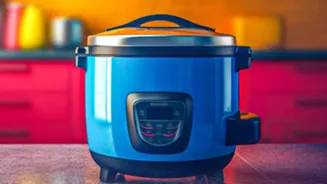
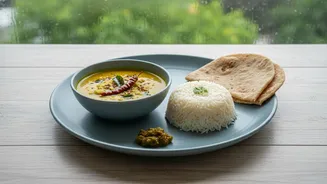
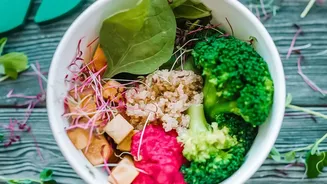
Some foods are riskier to reheat than others due to their composition. Rice is a well-known example; uncooked rice can contain spores of a bacterium called Bacillus cereus. These spores can survive initial cooking and, if the rice is left at room temperature, can grow into bacteria that produce toxins. Crucially, these toxins may be heat-resistant, meaning even proper reheating won't make the rice safe. Other high-risk foods include eggs, which can harbour salmonella, and mushrooms, whose proteins can degrade easily if stored improperly, leading to an upset stomach upon reheating. Leafy greens like spinach contain nitrates, which, under certain conditions involving bacterial contamination, can convert to potentially harmful compounds when reheated.
Safe Storage: Your First Line of Defence
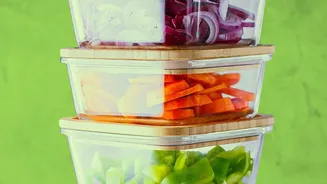
Proper reheating starts with proper storage. The journey to unsafe leftovers often begins right after cooking. Never leave cooked food at room temperature for more than two hours. During the monsoon, with its higher temperatures and humidity, this window is even shorter. To cool food rapidly, divide large portions into smaller, shallow, airtight containers. This prevents the food from staying in the bacterial 'danger zone' for too long. Refrigerate leftovers promptly, ensuring your fridge is at or below 5°C. By chilling food quickly and storing it correctly, you give bacteria less time to multiply, making the reheating process much safer when you're ready for your next meal.