





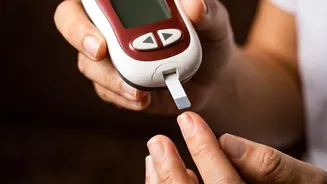

Feeling tired is common, but a bone-deep exhaustion that never seems to lift could be more than just a lack of sleep. When combined with other subtle changes like blurry vision, it might be your body's early warning of diabetes.
The Pervasive Problem of Fatigue
One of the most common
yet frequently dismissed symptoms of diabetes is persistent fatigue. This isn't the normal tiredness you feel after a long day; it's a profound sense of exhaustion that lingers even after a full night's rest. This happens because your body is struggling to manage blood sugar (glucose). In diabetes, either your body doesn't produce enough insulin or it can't use insulin effectively. Insulin is the key that unlocks your cells to let glucose in for energy. When this process fails, sugar builds up in your blood while your cells are starved of fuel. This cellular energy crisis leaves you feeling constantly sluggish and drained, as your body lacks the primary fuel it needs to function properly.
Blurred Vision: A Surprising Sign
Blurry vision might seem purely like an eye issue, but it can be an early indicator of high blood sugar. When glucose levels in your blood are elevated, it can cause the lenses in your eyes to swell. This change in the lens shape affects your ability to focus, leading to vision that is blurry or seems to shift in and out of focus throughout the day. For many, this blurriness is temporary and resolves once blood sugar levels are stabilized. However, it serves as a critical warning sign. If left unmanaged over time, high blood sugar can damage the delicate blood vessels in the retina, potentially leading to more serious conditions like diabetic retinopathy, a leading cause of vision loss in adults.
The Classic Duo: Thirst and Urination
Beyond tiredness and vision changes, two of the most well-known signs of diabetes are increased thirst (polydipsia) and frequent urination (polyuria). When there's excess sugar in your blood, your kidneys go into overdrive to filter and absorb it. When they can't keep up, the excess sugar is flushed out into your urine, dragging fluids from your tissues along with it. This leads to more frequent trips to the bathroom, even waking you up at night. The subsequent fluid loss triggers intense thirst as your body tries to rehydrate, creating a frustrating cycle.
Other Subtle Clues Not to Ignore
Diabetes can manifest in numerous other ways that are easy to overlook. Unexplained weight loss, for instance, can occur as your body starts burning muscle and fat for energy because it can't get it from glucose. You might also notice that cuts and sores are taking much longer to heal. High blood sugar impairs your immune response and circulation, hindering your body's natural repair processes. Tingling or numbness in your hands and feet, often described as a 'pins and needles' sensation, can signal nerve damage from elevated blood sugar levels. Other signs can include frequent infections, such as skin or yeast infections, and even changes in your skin, like the appearance of dark, velvety patches in body folds.
When to Talk to Your Doctor
Individually, many of these symptoms can be attributed to other, less serious causes. However, if you are experiencing a combination of these signs—such as persistent fatigue along with increased thirst or blurred vision—it is crucial to consult a healthcare professional. Do not dismiss these changes as simply a part of getting older or being stressed. A doctor can perform simple blood tests, like a fasting glucose test or an A1C test, to check your blood sugar levels and determine if diabetes or prediabetes is the cause. Early diagnosis is key. Catching diabetes in its initial stages allows for timely intervention through lifestyle changes and, if needed, medication, which can significantly reduce the risk of longterm complications affecting your heart, kidneys, nerves, and eyes.