







The Automation of First-Rung Tasks
Traditionally, entry-level jobs were the training ground for the corporate world. They consisted of essential, if sometimes repetitive, tasks: basic data entry, document summarisation, simple coding, and routine customer service queries. These were the 'grunt
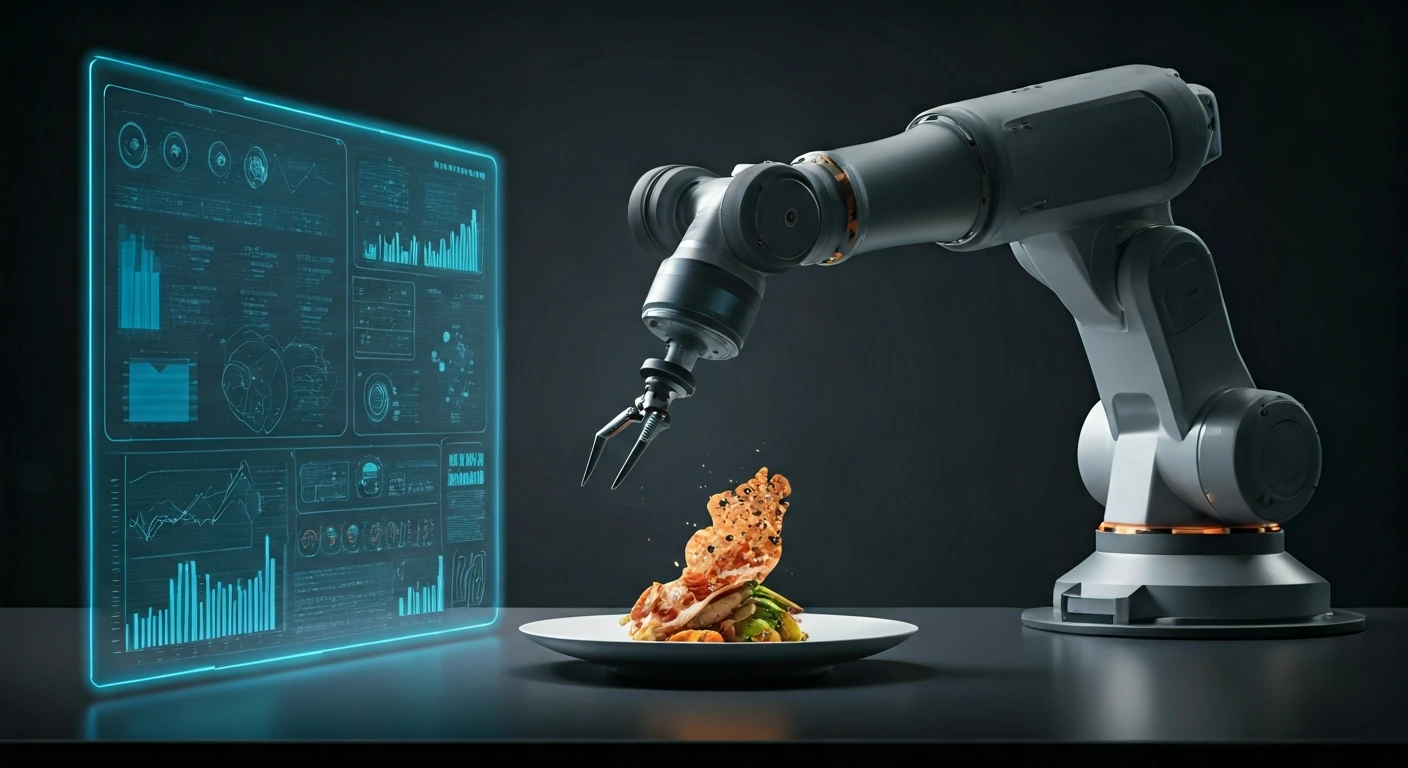
work' roles that allowed young professionals to learn the ropes of an industry. Today, generative AI tools are capable of performing many of these tasks faster and more efficiently. This automation is particularly visible in sectors like IT, finance, consulting, and customer support. As a result, companies are rethinking the need for large teams of junior employees to handle these functions, with some reports showing a significant drop in fresher hiring in India's IT sector. This doesn't mean jobs are simply disappearing, but the nature of the work is evolving dramatically.
Raising the Bar for Human Value
When AI handles the basics, the expectations for human employees rise. Companies are no longer hiring for mere execution; they are hiring for judgment, creativity, and strategic thinking from day one. The career ladder is compressing, with some analyses showing that AI-exposed junior roles are seven times more likely to demand skills traditionally associated with senior positions, such as leadership and strategic thinking. This creates a significant challenge. The very tasks that helped previous generations build judgment and business instinct are now being automated, leaving a gap in practical experience. Employers now expect entry-level candidates to contribute at a higher level immediately, moving from a model of 'learning on the job' to 'contributing from the start'. The pressure is on for new entrants to demonstrate value beyond what an algorithm can provide.
The New 'Entry-Level' Skillset
In this new environment, a degree alone is often not enough. Employers are increasingly looking for a specific blend of technical and human-centric skills. On the technical side, AI literacy has become as fundamental as digital literacy was a decade ago. This includes a basic understanding of how AI and machine learning work, familiarity with common AI tools like ChatGPT or Gemini, data literacy, and even basic programming knowledge in languages like Python. However, it is the uniquely human skills that are becoming the key differentiator. As AI takes over routine work, abilities like critical thinking, complex problem-solving, creativity, communication, and adaptability are in higher demand than ever. Recruiters are prioritising candidates who can collaborate effectively, think critically, and work alongside technology seamlessly.
How to Stand Out in an AI-Powered World
For job seekers in India, navigating this landscape requires a proactive and strategic approach. The key is not to compete against AI, but to show you can collaborate with it. This means actively building and showcasing relevant skills. Take online courses to develop AI fluency, data analysis capabilities, and prompt engineering skills. Go beyond theory by working on projects that demonstrate your ability to use AI tools to solve real problems. Internships and practical work experience are more critical than ever, as they provide a platform to build and apply both technical and soft skills. During interviews, focus on your human qualities: your ability to communicate complex ideas, work in a team, and adapt to new challenges. Frame yourself as a professional who can leverage AI to amplify your own abilities, making you a more valuable asset than a candidate who ignores the technology or a tool that lacks human judgment.