




The Zero-Cost Digital Revolution
Since its launch, UPI has become the backbone of India's digital economy, processing billions of transactions every month. A key driver of this explosive growth was the government's decision in January 2020 to implement a 'zero-MDR' policy. MDR, or Merchant
Discount Rate, is a fee merchants typically pay to banks and payment processors for handling digital transactions. By making UPI and RuPay debit card transactions free for both merchants and consumers, the government aimed to accelerate digital payment adoption and reduce reliance on cash. The strategy was a phenomenal success, embedding UPI into the daily lives of millions.
The Hidden Costs of a Free Service
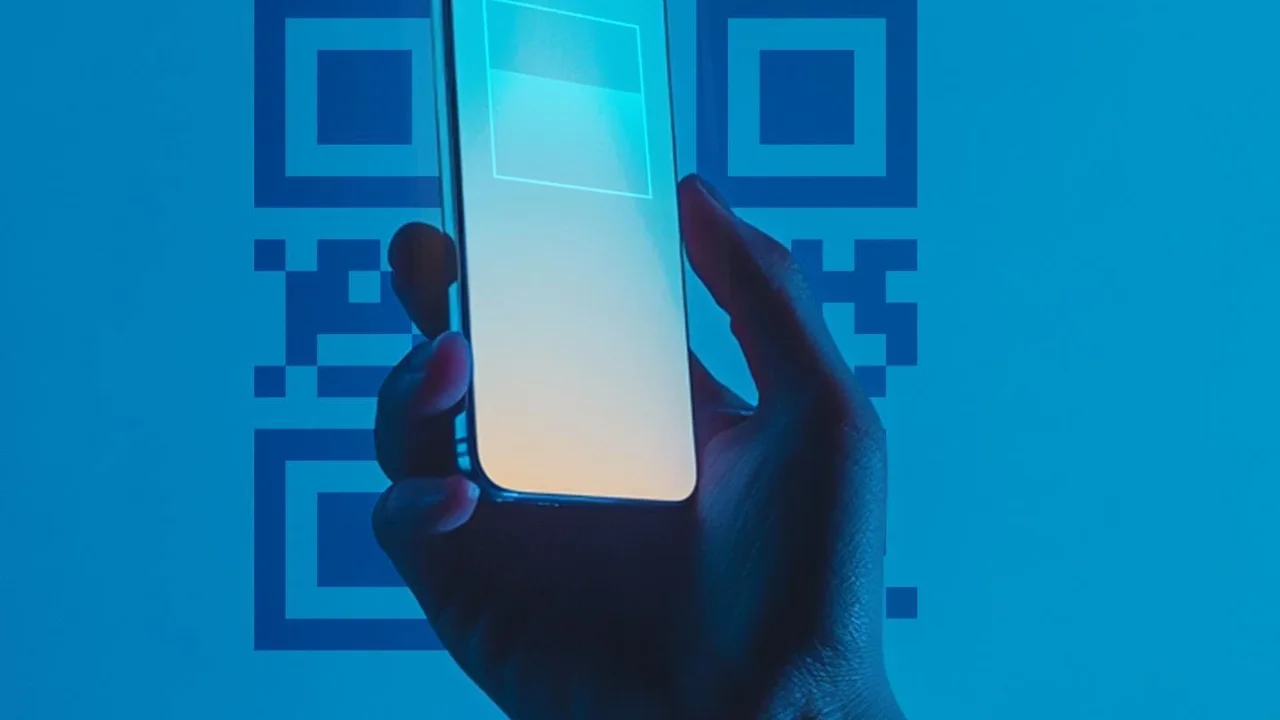
While UPI is free for users, it is not cost-free to operate. Behind every seamless QR code scan is a complex and expensive infrastructure. Payment service providers (PSPs) like PhonePe, Google Pay, and Paytm, along with banks and the National Payments Corporation of India (NPCI), incur significant costs. These include maintaining the technology and cybersecurity infrastructure, managing fraud risks, processing and settling trillions of rupees, and providing customer support. A 2022 RBI discussion paper estimated that processing a single person-to-merchant UPI transaction of around ₹800 cost approximately ₹2. Without a direct revenue model from these transactions, companies are bearing these costs themselves.
The Sustainability Question
The zero-MDR regime has put payment companies in a difficult position. They have invested heavily to build a massive user base, but now face a widening gap between their operational costs and revenues. The government has offered some relief through an incentive scheme to compensate for the lack of MDR. However, industry estimates suggest this support is insufficient. One parliamentary committee noted a huge gap between the government's allocation and the industry's estimated operational costs, raising concerns about long-term sustainability. This has led to growing calls from the industry for a self-reliant revenue model to ensure continued investment in the UPI ecosystem.
What Are the Proposed Solutions?
The debate has now shifted towards finding a middle ground. In August 2026, the Indian Parliament passed a bill that gives the government the power to decide which electronic payment methods can be charged. This doesn't mean UPI will no longer be free for everyone. Government officials and the finance ministry have clarified that any potential charges would not affect consumers for person-to-person payments. The focus is on potentially introducing a nominal MDR for a limited set of high-value merchant transactions, likely above a certain threshold like ₹2,000. This would mean that routine, small-value purchases would remain free, while larger merchants might have to bear a small fee.
Searching for Alternative Revenues
While the MDR debate continues, payment companies are not sitting idle. They are actively exploring alternative revenue streams to make their operations profitable. These strategies include cross-selling other financial products like loans and insurance, where they can earn commissions. Some apps also generate income through bill payments and recharges, where they have revenue-sharing agreements with service providers. Other methods include charging subscription fees for value-added services or for the Point of Sale (POS) devices used by merchants. This diversification is crucial for their survival, as relying solely on transaction fees is not currently an option.