



The Science of Freshness
The incredible aroma you associate with fresh herbs like coriander and mint comes from volatile essential oils. These oils are delicate and begin to break down the moment the herb is harvested. The longer the time between picking and cooking, the more
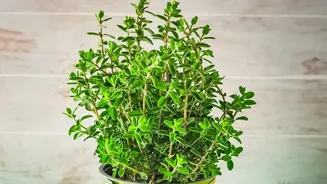
of that vibrant flavour is lost. Store-bought herbs, having travelled from farm to shelf, have already lost a significant portion of their aromatic potency. In contrast, when you snip a few sprigs from a windowsill plant, you are capturing those oils at their absolute peak. This means the flavour is not just stronger but also more complex and nuanced, a quality that drying can't replicate.
Coriander: The Bright Soul of Curry
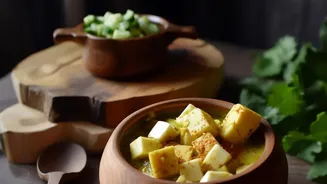
Fresh coriander, or dhania, is a cornerstone of Indian cooking for a reason. Its flavour profile is bright, citrusy, and slightly peppery. This is largely due to a compound called linalool, which gives coriander its signature fresh, floral, and citrus-like character. When coriander is dried, these delicate notes vanish, leaving behind a much duller, earthier taste. In a rich, winter curry like a paneer butter masala or a hearty dal makhani, a final garnish of freshly chopped coriander doesn't just add colour; it cuts through the richness with a burst of vibrant flavour that lifts the entire dish. The leaves spoil quickly after being picked, so having a live plant ensures you never have to settle for less.
Mint: The Cool Counterpoint
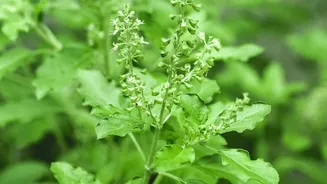
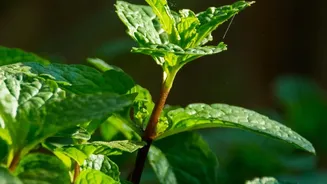
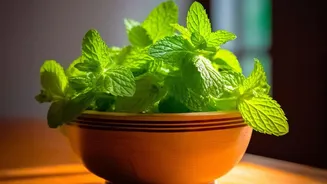
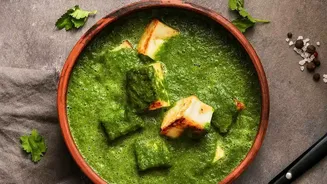
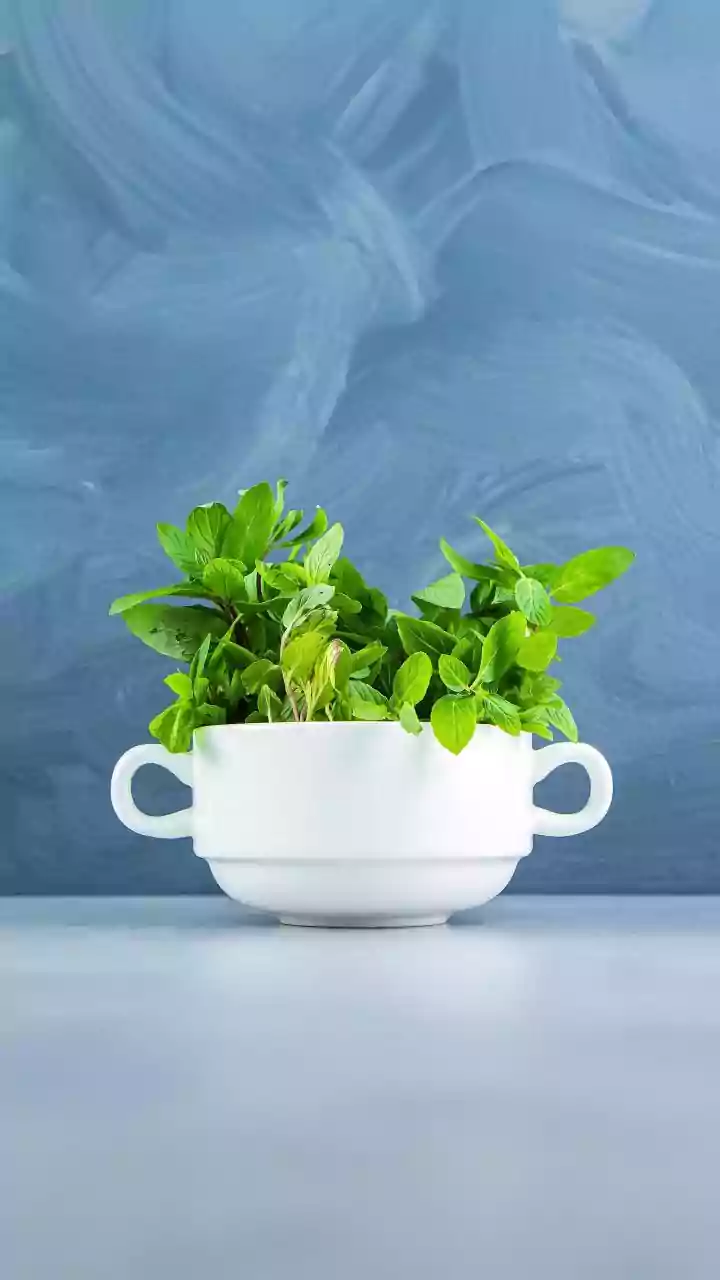
Mint, or pudina, offers a completely different but equally vital contribution. Its power lies in compounds like menthol and carvone, which create a cooling sensation and a sharp, clean aroma. In cozy winter curries, which are often heavy with warming spices and rich ingredients, a touch of fresh mint provides a refreshing contrast. Think of a flavourful lamb curry or a green chicken curry; the mint adds a layer of complexity that prevents the dish from feeling too heavy. Like coriander, the essential oils in mint are highly volatile. Dried mint loses this cooling freshness, retaining only a fraction of its character. A fresh sprig, however, delivers that unmistakable cool, sweet burst that makes a curry dynamic and memorable.
Your Windowsill Advantage
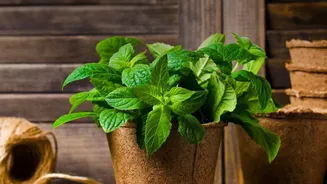
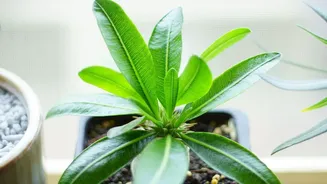
The best part is that you don't need a large garden to experience this difference. Coriander and mint are two of the easiest herbs to grow indoors in Indian homes. All they require is a pot with good drainage and a spot that receives at least four to six hours of sunlight, like a kitchen windowsill. For coriander, you can even use whole seeds from your spice box; just crush them gently before sowing to help them sprout. Mint is even simpler and can be propagated from store-bought stems placed in water until they root. These plants are not just a source of flavour; they bring a bit of green life into your home and offer the unmatched satisfaction of cooking with something you have grown yourself.
From Pot to Pan: Perfect Pairings
Putting your windowsill garden to use is the fun part. The rule of thumb is to add these delicate herbs towards the end of the cooking process to preserve their flavour. For a rich and creamy chicken korma, stir in a handful of chopped coriander just before serving to add a fresh, zesty finish. In a lentil-based dish like tadka dal, a garnish of fresh coriander is non-negotiable. For a green chicken or fish curry, a paste made from fresh coriander and mint leaves forms the very base of the dish, creating a vibrant and aromatic gravy. Even a simple potato and pea curry is elevated to something special with a generous sprinkle of both herbs at the end. The immediate availability allows for a generosity that you might hesitate with when using expensive, store-bought bunches.