






The Familiar Frenzy
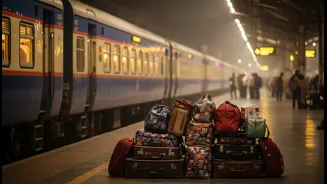
Every year, during major festivals like Diwali, Holi, and Chhath Puja, or during the summer holidays, a massive wave of people travels across the country to be with their families. This creates an enormous spike in demand for train tickets, leading to services
on popular routes being sold out months in advance. For millions, this means either shelving their travel plans or getting stuck on long waitlists with little hope of confirmation. This predictable, yet challenging, scenario is the primary reason Indian Railways deploys one of its most effective tools for crowd management: special train services.
What Are 'Special' Trains?
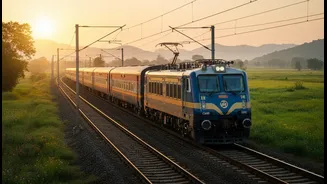
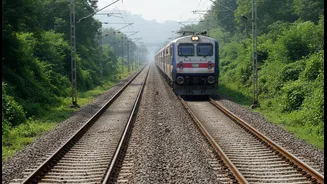
Special trains are temporary services introduced by Indian Railways to clear extra rush of passengers on high-demand routes. Unlike regular scheduled trains that run year-round, these are planned and announced specifically for peak seasons. For instance, recent announcements confirmed hundreds of special services for the Jagannath Rath Yatra and Onam festival. These trains come in various forms, including 'Special Fare Special' trains, festival specials (like for Holi or Diwali), and summer specials. The core idea is to add capacity exactly where and when it is needed most, helping to accommodate as many passengers as possible and reduce the strain on the regular network.
How Railways Decides
The decision to run special trains is not random. The Ministry of Railways continuously monitors passenger demand across its vast network. Zonal railways analyse data on waitlisted passengers for regular trains on specific routes. When the waitlist numbers on a particular route cross a certain threshold, it signals a clear need for additional capacity. Historical data from previous years' festival rushes also plays a crucial role in forecasting demand. This data-driven approach allows the railways to identify the most congested corridors—such as Delhi-Patna, Mumbai-Lucknow, or routes to Kerala during Onam—and strategically deploy extra services to alleviate the pressure.
The Booking Blueprint
Booking a seat on a special train is done through the same channels as regular trains, primarily via the IRCTC website and mobile app. However, there are key differences. Announcements for these trains are often made just a few weeks or even days before their departure date, so passengers need to be alert. Following the official social media handles of Indian Railways and respective zonal railways can provide timely updates. Since these trains are in high demand from the moment they are announced, tickets can sell out within minutes. It is crucial for travellers to have their IRCTC accounts ready and their passenger details saved for a quick booking process once the services are opened for reservation.
Weighing the Costs and Benefits
While special trains are a lifeline for many, they come with certain considerations. The most significant is the fare. Many of these services operate as 'Special Fare' trains, which often means the ticket prices are higher than those for regular trains on the same route, comparable to Tatkal fares. This dynamic pricing model helps manage demand but can be a drawback for budget-conscious travellers. Furthermore, since these are additional services, their punctuality can sometimes be a concern as they are slotted into an already packed network. Despite these points, for a passenger with an urgent need to travel, the higher fare is often a price worth paying for a confirmed seat.