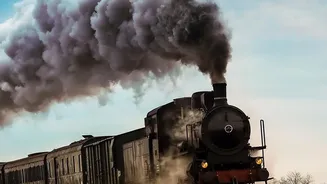

The Romance of a Bygone Era
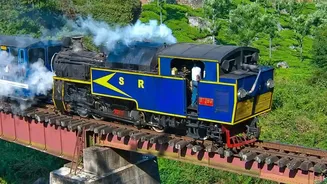
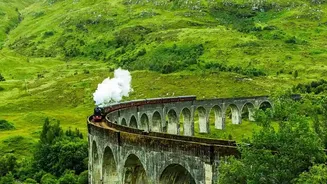
India’s railway heritage is a magnificent tapestry of engineering marvels and cultural history. From the UNESCO World Heritage-listed mountain railways of Darjeeling, Nilgiri, and Kalka-Shimla to grand colonial-era stations, these assets are more than
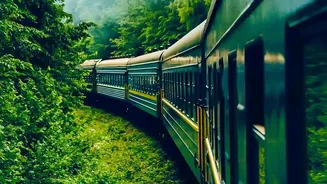
just transport infrastructure; they are living museums. Luxury trains like the Palace on Wheels and Maharajas' Express offer a journey back in time, attracting global tourists and generating significant revenue. This celebration of the past is vital. It preserves invaluable history, supports tourism, and fosters a sense of national pride in the network that has bound the country together for over a century.
The Lifeline's Daily Burden
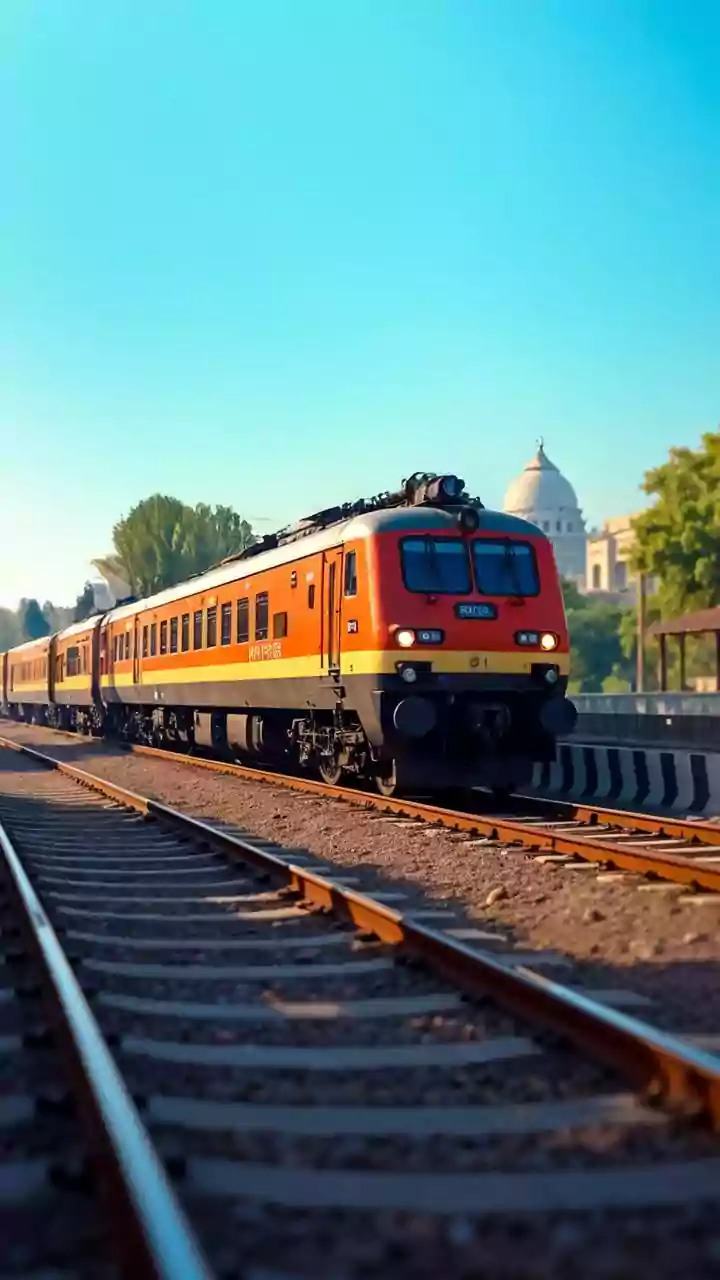
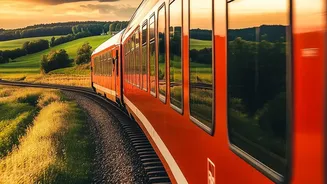
Beyond the romanticised tourist routes lies the formidable reality of Indian Railways: it is the nation's indispensable lifeline. Every day, it carries tens of millions of passengers and is the backbone of the country's freight logistics. Many routes are operating far beyond their intended capacity, leading to congestion and strain on the ageing infrastructure. The priorities here are not nostalgia but modernisation, safety, and efficiency. The average commuter, the small business owner relying on freight, and the student travelling for an exam need a railway that is fast, reliable, and safe. This requires immense investment in track renewals, modern signalling systems like Kavach, and rolling stock.
A Bridge Between Past and Future
The preservation of heritage and the pursuit of modernisation should not be seen as conflicting goals. In fact, they can and must be mutually supportive. The key is to reframe heritage projects not as isolated bubbles of nostalgia, but as strategic assets that can fund and inform practical upgrades. The revenue from a high-end luxury train, for instance, should not exist in a vacuum. A portion of the profits from the Maharajas' Express, which saw a 39% revenue jump in one quarter, could be earmarked to subsidise improvements on the very same tracks it uses, benefiting all trains on that route.
Integrating Heritage with Modern Needs
A perfect model for this integration is emerging in the Amrit Bharat Station Scheme. This ambitious project aims to redevelop over a thousand stations nationwide, explicitly blending modern amenities with designs inspired by local culture and heritage. Imagine a redeveloped historic station where the original facade is beautifully restored, but the interior boasts new waiting halls, free Wi-Fi, accessible ramps for Divyangjan passengers, and seamless integration with city transport. The scheme also includes 'One Station One Product' kiosks, providing a platform for local artisans and linking heritage preservation directly to economic livelihood. This is the blueprint: using the heritage value of a station as the catalyst for comprehensive, practical upgrades for all passengers.
A Policy of Purposeful Nostalgia
To make this a reality, we need a clear policy framework. Heritage tourism initiatives, whether public or private-public partnerships, must have a built-in mechanism for reinvesting a share of their proceeds into the core railway network. The 'Adopt a Heritage' scheme, which invites private entities to help maintain monuments, could be adapted for railways with a stronger focus on core infrastructure benefits. This isn’t about detracting from the heritage experience; it’s about giving it a deeper purpose. Tourists who ride a heritage train will enjoy their journey even more knowing that their ticket is helping to build a better, safer, and more efficient railway for the entire nation.