



Build a Balanced Plate
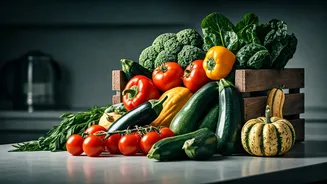
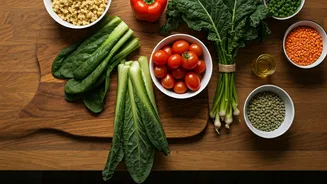
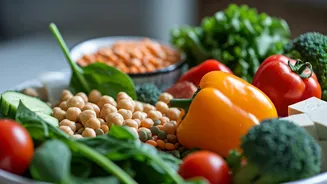
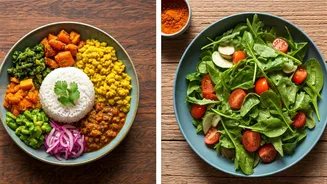
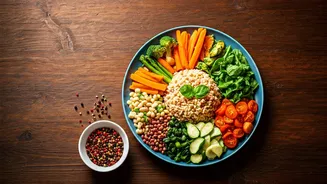
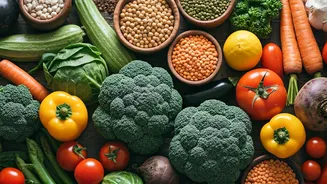
The simplest way to eat better is to think of your plate as a canvas. Aim to fill half of it with non-starchy vegetables (like leafy greens, broccoli, bhindi, peppers), a quarter with a quality protein source (dal, paneer, tofu, chickpeas), and the final
quarter with complex carbohydrates (roti, brown rice, millets). This 'plate method' is a visual guide that ensures you're getting a mix of fibre, protein, and energy in every meal, preventing that post-lunch slump and keeping you full for longer. A small side of yogurt or raita can add probiotics and complete the meal beautifully.
Become a Flavour Expert
Better vegetarian food isn't about complex recipes; it's about mastering flavour. Don't just rely on salt and chilli powder. A simple tadka of mustard seeds, cumin, and curry leaves can elevate a basic dal. A squeeze of lemon or a spoonful of tamarind pulp at the end of cooking brightens up heavy curries and sabzis. Keep fresh ginger, garlic, green chillies, and coriander on hand. Roasting your spices before grinding them unlocks a deeper aroma. These small steps add layers of complexity that make even the simplest vegetable dish taste like it came from a restaurant.
Diversify Your Dals and Grains
India has a staggering variety of dals and grains, yet many of us stick to just one or two. Swapping arhar dal for masoor, moong, or even a mix of panchmel dal introduces different textures and nutritional profiles. Similarly, moving beyond wheat and white rice is a game-changer. Incorporate millets like jowar, bajra, or ragi into your diet, either as rotis or as a substitute for rice. They are packed with fibre and micronutrients. This rotation not only prevents dietary boredom but also provides a wider spectrum of vitamins and minerals.
Plan Your Protein Powerhouses
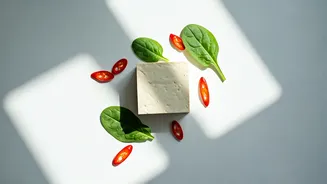
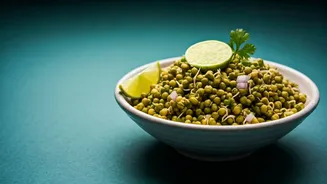
A common pitfall in vegetarian diets is not getting enough protein, which is vital for muscle repair, energy, and satiety. Make a conscious effort to include a solid protein source in every main meal. This goes beyond just dal. Think paneer or tofu stir-fries, chana masala, rajma, soya chunks curry, or sprouts salad. For snacks, roasted chana, a handful of nuts, or a bowl of Greek yogurt are excellent choices. Ensuring adequate protein helps you feel more satisfied and less likely to reach for unhealthy snacks between meals.
Make Vegetables the Main Event
Shift your mindset from vegetables being a simple side dish to them being the star of the meal. Instead of a small portion of a generic mixed veg sabzi, try making a substantial, flavour-packed dish like a whole roasted cauliflower, bharwa baingan (stuffed aubergines), or a hearty pumpkin curry. When vegetables are the hero, you naturally eat more of them. Experiment with different cooking methods—roasting brings out sweetness, grilling adds a smoky char, and stir-frying keeps them crisp. This approach makes your meals more vibrant, nutritious, and interesting.
Add Healthy Fats for Richness
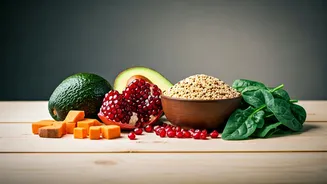
Fat is not the enemy; it’s essential for absorbing certain vitamins and providing a sense of richness and satisfaction. The key is choosing the right kind. A dollop of ghee on your dal or roti, a sprinkle of sesame seeds on your sabzi, or using cold-pressed mustard or groundnut oil for cooking are all great options. Nuts, seeds, and avocados are also fantastic sources of healthy fats. Including them in moderation makes food taste better and helps keep you fuller for longer, preventing cravings for processed foods.