


More Than Just ‘Gunpowder’
To understand the surprise, one must first appreciate the sanctity of podi. Far more than the nickname ‘gunpowder’ suggests, podi is a category of roasted, spiced lentil powders that are a cornerstone of South Indian cuisine. With roots stretching back
to ancient Sangam literature, these powders were born from a need for preservation and portability. Each household often has its own heirloom recipe for milagai podi (chilli powder), a fragrant mix of lentils, sesame seeds, and red chillies. Traditionally, it’s not just a seasoning but a main event, mixed with sesame oil or ghee and served as the primary accompaniment to soft idlis and crisp dosas. For many, its nutty, spicy flavour is inextricably linked to breakfast rituals and the comfort of home-cooked meals.
Pizza as a Blank Slate
On the other side of this fusion is pizza, a dish that has travelled from Italy to become a global comfort food. In India, pizza shed its purely Italian identity long ago. It has become a highly adaptable canvas for local tastes, with toppings like paneer tikka, tandoori chicken, and butter chicken becoming mainstream favourites in cafes and fast-food chains across the country. The Indian pizza market is a testament to this creative localisation, blending familiar spices with the universally loved format of bread, sauce, and cheese. This willingness to experiment has turned pizza into a platform for culinary mashups, making it a fixture in urban Indian food culture.
A Clash of Culinary Contexts
The surprise surrounding podi on pizza isn't about a disapproval of fusion itself, but a clash of culinary contexts. In a traditional setting, food has unwritten rules. Podi belongs with tiffin items; its grainy texture and pungent flavour are designed to complement fermented rice and lentil batters. Sprinkling it over a base of processed cheese and leavened bread is a category leap. It’s akin to putting pickle masala in a kheer—the components might be good on their own, but their combination breaks a deeply ingrained gastronomic syntax. For generations who have revered podi in its customary role, seeing it as a casual pizza topping can feel like a misunderstanding of its culinary soul.
A New Generation's Comfort Food
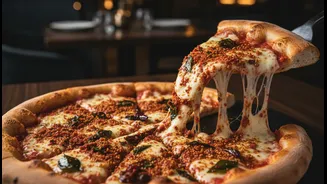
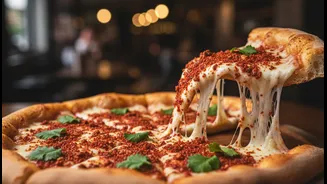
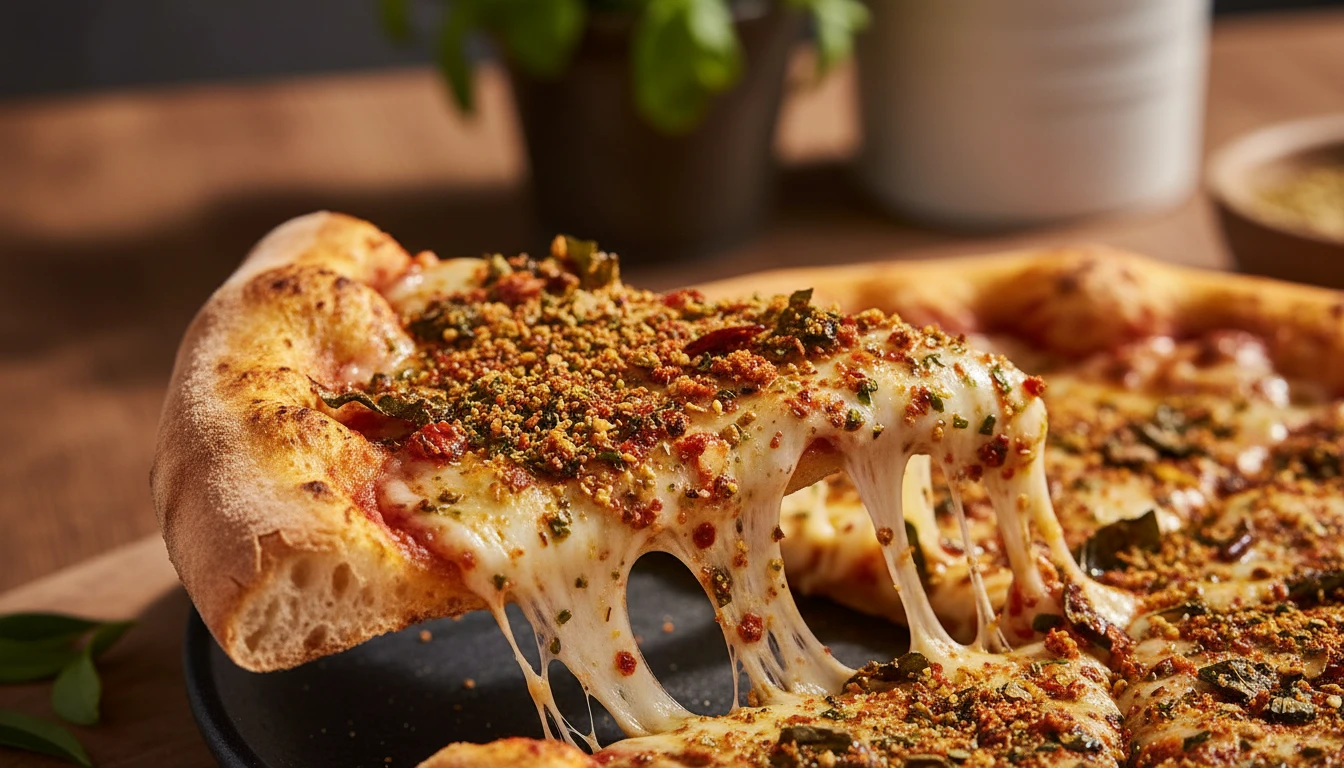
So, why does this seemingly odd combination work so well, especially for younger, urban audiences? The answer lies in a modern reinterpretation of comfort. Podi on pizza offers the best of both worlds: the nostalgic, sharp kick of a flavour from childhood combined with the satisfying, cheesy indulgence of a global fast-food favourite. It’s an instant ‘desi-fy’ button for a Western dish. This trend speaks to a generation that navigates multiple cultural identities with ease. They aren't bound by the traditional food pairings of their parents and grandparents. For them, flavour is modular, and authenticity lies in personal enjoyment rather than rigid adherence to convention.
From Home Hacks to Hip Menus
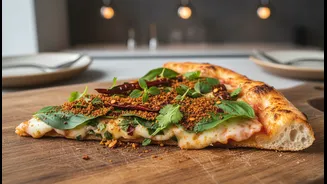
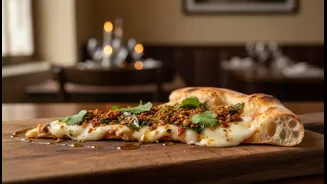
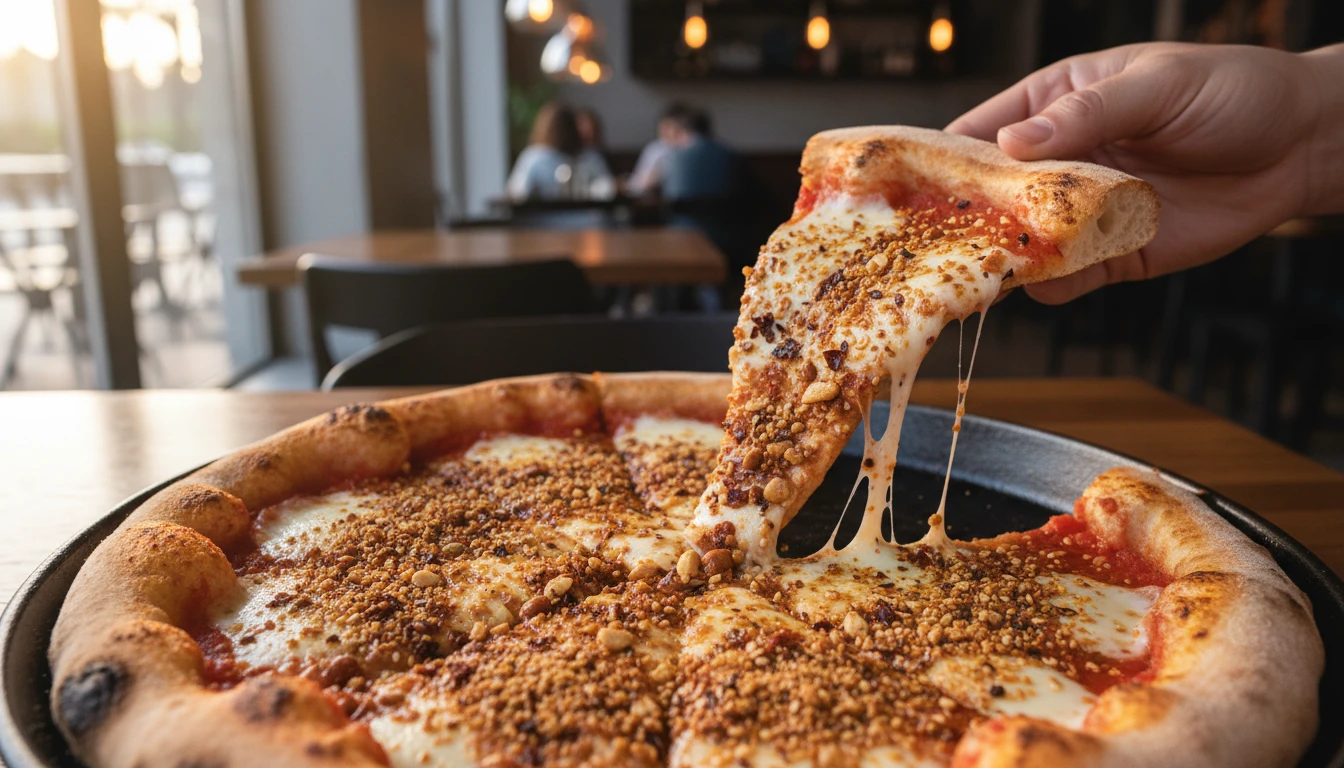
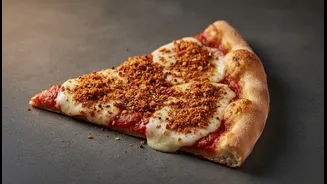
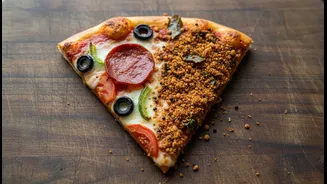
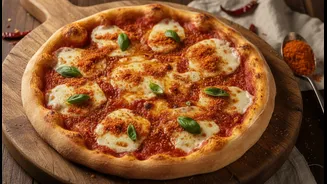
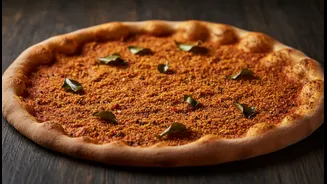
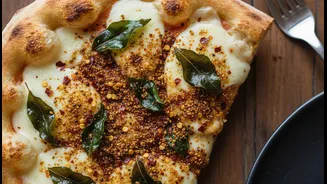
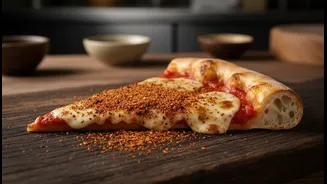
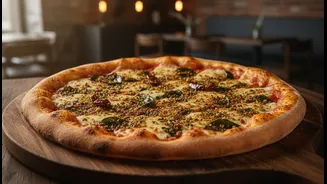
What might have started as a quirky kitchen experiment has now firmly planted its flag in India's food scene. Podi-dusted pizzas are appearing on the menus of trendy cafes and cloud kitchens, catering to a growing demand for innovative yet familiar flavours. Social media is filled with home cooks sharing their own versions, from using podi as a crust seasoning to sprinkling it generously over the cheese. This trend highlights how traditional ingredients are being repackaged for a new, contemporary market. It’s a sign that South Indian cuisine, once seen in the north primarily through the lens of idli and dosa, is being explored for its versatile and powerful flavour components.