








Beyond Rest: What is True Recovery?
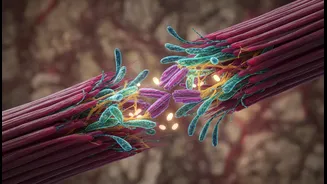
Many athletes and fitness enthusiasts view recovery as simply not training. However, true recovery is an active, multi-faceted process where the body repairs, adapts, and grows stronger. Intense exercise creates microscopic tears in muscle fibres and depletes
energy stores. It's during the recovery period that the body works to mend this damage, replenish fuel, and build back stronger than before. This physiological adaptation, often called supercompensation, is the foundation of all performance gains. Without adequate recovery, you don't just stall progress; you risk fatigue, burnout, and injury.
The Pillars of Physical Recovery
Effective physical recovery stands on three core pillars: sleep, nutrition, and hydration. Sleep is arguably the most powerful recovery tool, as it's when the body releases crucial growth hormones that facilitate muscle repair. Aiming for 7-9 hours of quality sleep per night is non-negotiable for serious athletes. Nutrition is equally critical. Consuming a combination of protein and carbohydrates shortly after a workout helps repair muscle tissue and replenish the glycogen stores used for energy. Protein provides the amino acids necessary for rebuilding, while carbohydrates refuel your system for the next session. Finally, hydration supports nearly every bodily function, including transporting nutrients to your muscles and flushing out metabolic waste products.
Active vs. Passive Recovery
Recovery isn't always about lying on the couch. There are two main types: passive and active. Passive recovery is complete rest, which includes activities like sleeping or getting a massage. This is essential for nervous system restoration and allowing the body to fully focus on repair. Active recovery, on the other hand, involves low-intensity movement like walking, gentle cycling, or swimming. This type of recovery can help reduce muscle soreness by stimulating blood flow, which aids in clearing metabolic waste from the muscles. The best choice depends on your workout intensity and overall fatigue. After a gruelling session, a day of passive recovery might be best, while a light jog the day after a moderate workout can prevent stiffness.
Don't Forget the Mental Game
Performance isn't just physical; your brain needs recovery too. Constant stress, whether from training, work, or daily life, can overload your nervous system and hinder physical gains. Mental fatigue can lead to poor decision-making, decreased motivation, and even a higher risk of injury. True mental recovery means stepping away from the pressures of your sport and life. This could involve mindfulness, meditation, spending time in nature, or engaging in hobbies completely unrelated to your athletic pursuits. Giving your mind a break allows you to return to training feeling more focused, resilient, and ready to perform.