








What Exactly Changed in Budget 2026?
The Union Budget 2026 brought a major, traveller-friendly change to the Tax Collected at Source (TCS) regime for overseas spending. Previously, booking an international tour package involved a complicated slab system: 5% TCS on packages up to ₹10 lakh
and a steep 20% on any amount above that. This has been replaced by a simple, flat 2% TCS on the total package cost, with no minimum threshold. This change, effective from April 1, 2026, also extends to remittances for education and medical treatment, where the rate has been cut from 5% to 2% for amounts exceeding ₹10 lakh.
A Quick Refresher: What is TCS?
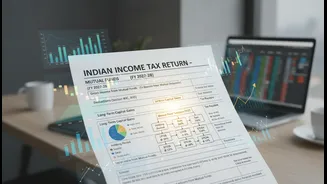
It's crucial to understand that TCS is not an extra tax. Think of it as an advance tax, similar to TDS (Tax Deducted at Source). When you book a tour package or remit money abroad, the travel agent or bank collects this tax and deposits it with the government against your PAN. This amount can be adjusted against your total income tax liability when you file your annual returns. If the TCS collected is more than your tax liability, you can claim a full refund. The primary issue with the previous high rates was not the tax itself, but the large upfront cash outflow it created, which temporarily blocked a significant chunk of a traveller's budget.
How This Affects Your Travel Budget
The reduction from a potential 20% to a flat 2% provides immediate cash flow relief. Let's take an example: a family booking a Europe tour package worth ₹15 lakh. Before this change, they would have paid 5% on the first ₹10 lakh (₹50,000) and 20% on the remaining ₹5 lakh (₹1,00,000), for a total upfront TCS of ₹1,50,000. Under the new rules, the TCS is a flat 2% on the entire amount, which comes to just ₹30,000. That’s an upfront saving of ₹1,20,000, freeing up a substantial amount of money that can be used for other travel expenses. This makes planning and committing to international trips more predictable and affordable for middle-income families.
It's Not Just About Tour Packages
While the 2% flat rate is a major win for those buying tour packages, the rules for other types of overseas spending are different. The Budget 2026 changes also brought relief for those sending money for education or medical purposes, reducing the TCS to 2% on amounts above ₹10 lakh. However, for other remittances under the Liberalised Remittance Scheme (LRS) — like investing in stocks, buying property, or general travel expenses made via forex cards — the TCS rate remains 20% on amounts exceeding the ₹10 lakh threshold per financial year. Standalone flight tickets do not attract any TCS as they are not considered part of a 'tour package'.
What This Means for the Travel Industry
The travel and tourism sector has welcomed this change. Industry experts expect the move to boost booking confidence and stimulate the outbound tourism market. With less money being locked up as TCS, travellers have more liquidity, which is expected to translate into higher spending on discretionary travel. The simplification of the tax structure removes a significant point of friction for both consumers and travel operators, which is anticipated to lead to a rebound in the booking of packaged international holidays.
Planning Your Next International Trip
With the lower upfront cost, planning an international holiday is certainly more attractive. The new 2% flat rate on tour packages applies from the very first rupee. It is important to remember that while the TCS collected is lower, the value of the tour package still counts towards your annual LRS limit of USD 250,000. Always ensure you receive a TCS certificate from your travel provider, as this is the document you will need to claim the credit when filing your income tax return. The simplified tax makes the process more transparent, but it's still wise to keep track of all your overseas remittances throughout the financial year to avoid any surprises.