





Understanding Adaptogens: Nature's Stress Shield
Before diving into Ashwagandha and Brahmi, it's helpful to understand the category they belong to: adaptogens. These are herbs, roots, and mushrooms that help the body manage and adapt to stress. Think of them as a thermostat for your stress response.
They work by interacting with the hypothalamic-pituitary-adrenal (HPA) axis, which is the command center for your body's reaction to stress. Instead of just boosting or suppressing functions, adaptogens help restore balance, or homeostasis. To qualify as an adaptogen, an herb must be non-toxic at normal doses and help the entire body cope with a wide range of stressors.
Meet Ashwagandha: The Strength Giver
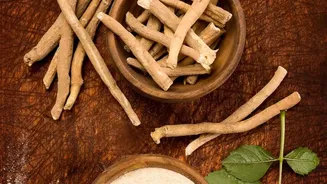
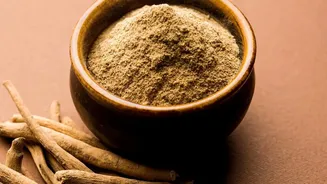
Ashwagandha (Withania somnifera) is one of the most revered herbs in Ayurveda, often called "Indian ginseng." Its name roughly translates to "smell of the horse," alluding to its traditional use for imparting strength and vitality. Its primary role is to combat stress. Research shows Ashwagandha can significantly lower levels of cortisol, the body's main stress hormone. This makes it particularly effective for individuals feeling overwhelmed, anxious, or physically fatigued from pressure. By calming the nervous system, it also promotes deeper, more restorative sleep, which indirectly improves focus and energy levels during the day.
Meet Brahmi: The Brain Nourisher
Brahmi is Ayurveda's premier herb for the brain. However, the name can be confusing as it sometimes refers to two different plants: Bacopa monnieri and Centella asiatica (also known as Gotu Kola). While both support brain health, most scientific research on memory and cognitive enhancement points to Bacopa monnieri. Classified as a Medhya Rasayana, or a brain rejuvenator, Brahmi is celebrated for its ability to improve memory, learning, and concentration. Its active compounds, called bacosides, are believed to enhance communication between brain cells and protect them from damage. It also has a calming effect, helping to reduce anxiety without causing drowsiness.
Head-to-Head: Stress Relief vs. Cognitive Clarity
So, what's the core difference? Think of it this way: Ashwagandha is a stress shield, while Brahmi is a brain tonic. Ashwagandha's main strength lies in managing the body's physiological response to stress. If your primary complaints are feeling wired but tired, struggling with sleep, and experiencing physical and emotional exhaustion, Ashwagandha is likely the more direct solution. Brahmi, on the other hand, excels in sharpening the mind. If your main challenges are retaining information for a presentation, staying focused during complex tasks, or overcoming mental fog, Brahmi is the more targeted choice. While both herbs can help with anxiety, Ashwagandha is generally considered stronger for immediate stress and anxiety relief, whereas Brahmi works on promoting long-term emotional balance and mental calm.
Which One Is Right For You?
Choosing between the two depends entirely on your primary goal. Are you a project manager battling burnout and sleepless nights before a major launch? Ashwagandha might be your ally, helping to regulate your cortisol and improve sleep quality. Are you a software developer or writer needing to maintain deep focus and sharp recall for hours on end? Brahmi might be a better fit to enhance your cognitive endurance and clarity. In some cases, the herbs can be taken together to address both stress and cognitive function, but it's wise to start with one to see how your body responds.
How to Use Them Safely
Both herbs are available in powder, capsule, and liquid extract forms. For Ashwagandha, clinical studies often use dosages between 300-600 mg of a standardized root extract per day. It's often taken in the evening to support sleep. For Brahmi (Bacopa monnieri), a typical dose is around 300-450 mg daily. It's usually taken in the morning to boost daytime cognitive function. Patience is key, especially with Brahmi, as benefits for memory can take 8-12 weeks to become noticeable. Ashwagandha's calming effects may be felt sooner, often within a few weeks. It's crucial to note that these herbs can have side effects like digestive upset and may interact with certain medications, so consulting with a doctor is essential before starting.