
Why Quarantine Is A Non-Negotiable First Step
Bringing a new plant into your home is exciting, but it also carries the risk of introducing unwanted guests. Pests like spider mites, mealybugs, and scale, as well as fungal diseases, can hide unseen on a seemingly healthy plant from the nursery. An
infestation can spread quickly to your existing collection, causing significant damage. Quarantine is your first line of defense. It's not just about pest control; it's also a crucial acclimatization period. The plant has been moved from a greenhouse to a store and now to your home—all very different environments. A quiet, separate start allows it to adjust to your specific light, temperature, and humidity levels without the extra stress of competing with other plants, setting it up for long-term success.
Setting Up The Perfect Quarantine Zone
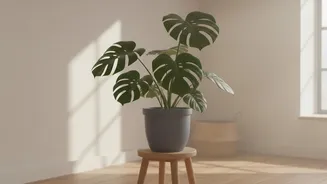
The golden rule of quarantine is physical separation. Ideally, place your new plant in a completely different room from your other houseplants. Pests like fungus gnats can fly, and others can travel between pots that are too close. If a separate room isn't possible, choose a corner that is at least several feet away from any other plant. The quarantine spot should mimic the eventual light conditions the plant will need to thrive, whether it's bright indirect light or a shadier spot. This helps the plant begin to adjust while you observe it. A bathroom or laundry room with a window can be a great option, as the higher humidity is often beneficial for new arrivals.
The Thorough Leaf, Stem, and Soil Check
Upon bringing it home, give the plant a thorough inspection. Look at the top and bottom of every leaf, paying close attention to where the leaf meets the stem. You're searching for common pests like the fine webbing of spider mites, the white, cotton-like fluff of mealybugs, or the small, brown bumps of scale insects. Don't stop at the foliage. The headline is right to call out the soil. Gently inspect the topsoil for any signs of movement, which could indicate fungus gnats or other soil-dwelling pests. Some experts even recommend gently sliding the plant out of its nursery pot to inspect the root ball. Healthy roots are typically firm and white or light-colored; mushy, brown, or black roots are a sign of root rot.
To Repot or Not to Repot?
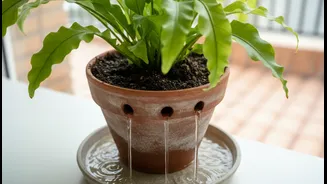
During your root inspection, you might wonder if you should repot the plant immediately. The opinions on this vary. Some gardeners prefer to repot right away into fresh, sterilized potting mix to eliminate any pests or eggs lurking in the nursery soil. However, others suggest waiting a week or two, as repotting adds another layer of stress to a plant that is already acclimatizing. A good middle ground is this: if the plant is severely root-bound (roots circling tightly) or the soil is waterlogged and shows signs of rot, repotting into a clean pot with fresh soil is a good idea. Choose a new pot that is only 1-2 inches larger in diameter and has excellent drainage. If the roots and soil look healthy, it's perfectly fine to let the plant settle in its original pot during the quarantine period.
The Waiting Game: How Long to Quarantine
Patience is key during quarantine. A minimum of two weeks is often recommended, but a period of three to four weeks is far safer. Some professionals even advocate for a 4-6 week period to be absolutely certain. This longer timeframe accounts for the life cycles of various pests, as eggs that were invisible during your initial inspection may hatch. During this time, care for the plant as you normally would, providing appropriate water and light. Use this period for weekly inspections. Check the leaves, stems, and soil again for any changes or signs of trouble. If you spot any pests, you can treat the single plant with insecticidal soap or neem oil without risking your entire collection.