


Embrace the Green Transformation
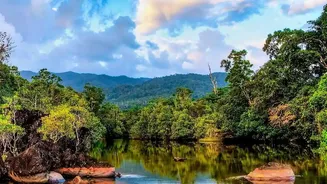
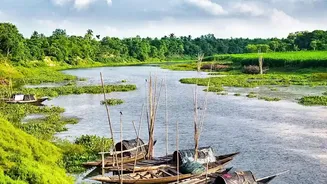
The monsoon, which typically lasts from June to September, breathes new life into Assam. The landscape sheds its dusty summer coat and dons a vibrant, seemingly infinite green. The mighty Brahmaputra river swells, tea gardens glisten with fresh, dewy
leaves, and the air is thick with the petrichor, the earthy scent of rain on dry soil. This is a time when Assam's natural beauty is at its most raw and powerful. For photographers and nature lovers, the dramatic, cloud-laden skies and verdant scenery offer a breathtaking canvas. While travel can require more planning due to potential downpours, the reward is an immersive experience in a state that feels rejuvenated and vibrantly alive.
Wildlife in the Wet Season
While Kaziranga National Park, famous for its one-horned rhinoceroses, largely closes during the monsoon due to flooding, wildlife enthusiasts need not despair. Several other protected areas offer unique rainy-season experiences. Dibru-Saikhowa National Park, a biosphere reserve, remains accessible and is best explored by boat during these months. The flooded landscape creates a unique ecosystem, making it a haven for river dolphins and a vast array of resident and migratory birds. Similarly, parts of Manas National Park, another UNESCO World Heritage site, may offer limited access, though it officially closes from around late June. It is crucial to check with park authorities for the latest updates on safari availability before planning a visit, as conditions can change rapidly.
The Spiritual Heartbeat: Kamakhya and Ambubachi Mela
The monsoon season coincides with one of the most significant spiritual events in Eastern India: the Ambubachi Mela at the Kamakhya Temple in Guwahati. This four-day festival, typically held in late June, celebrates the annual menstruation of the goddess Kamakhya, symbolizing the fertility of the earth itself. The temple attracts hundreds of thousands of pilgrims, tantrics, and sadhus, creating an intense and vibrant atmosphere of devotion. Visiting Guwahati during this time offers a profound cultural immersion, though travellers should be prepared for large crowds. Even outside the festival period, the temple, perched atop the Nilachal Hills, offers a mystical ambiance against the backdrop of rain-washed skies.
Majuli: An Island Reborn
The world's largest river island, Majuli, becomes a spectacle of nature's power and beauty during the monsoon. While the swelling Brahmaputra can make access challenging and cause flooding, those who venture here are rewarded with unforgettable scenes. The rice paddies turn a brilliant shade of green, and life on the island slows to a serene pace. It's a time to visit the ancient Satras (Vaishnavite monasteries), interact with the warm Mishing community, and witness a way of life deeply connected to the river's rhythms. Ferry services from Jorhat are dependent on weather and water levels, so flexibility is key for any monsoon trip to Majuli.
Tea Gardens and Misty Hills
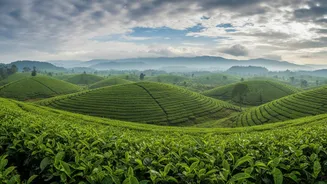
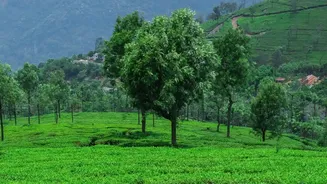
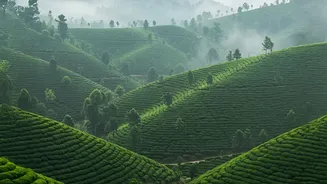
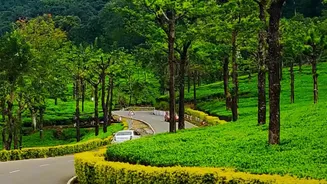
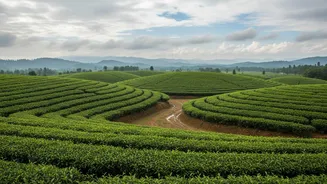
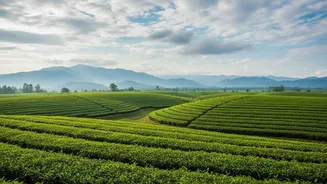
A visit to Assam is incomplete without experiencing its iconic tea estates, and the monsoon is arguably the best time to see them. The rain plumps up the tea leaves, making the gardens in regions like Jorhat and Dibrugarh exceptionally lush and picturesque. Driving through the rolling hills covered in a blanket of green is a therapeutic experience. Further south, Assam's only proper hill station, Haflong, becomes a misty wonderland. Shrouded in clouds and surrounded by gushing waterfalls that are at their peak, it offers a cool and tranquil escape from the plains. The journey itself, with its scenic vistas, is as much an adventure as the destination.