





Wash Less, Air More
The single most important rule of wool care is to wash it less often. Wool is a natural fibre with antimicrobial and odour-resistant properties, meaning it doesn't need laundering after every wear. In fact, overwashing can strip the fibres of their natural lanolin,
making them less resilient. After wearing a wool sweater, simply air it out. Drape it over a chair or lay it flat in a well-ventilated area overnight. The fresh air will help release any moisture or odours. For a quick refresh, you can also hang the garment in the bathroom while you take a steamy shower; the steam will help relax the fibres and release creases.
The Art of the Gentle Wash
When your woollens do need a wash, always check the care label first. If handwashing is recommended, it's the safest method. Use a clean basin with cool or lukewarm water (around 30°C) and a small amount of a gentle, wool-specific detergent. Avoid regular detergents with enzymes, which can damage protein fibres like wool. Submerge the garment, gently squeeze the water through it, and let it soak for about 10-15 minutes without any harsh rubbing or twisting. If your machine has a wool or delicate cycle, that's another option. Turn the garment inside out, place it in a mesh laundry bag to reduce friction, and use a cold water setting with a slow spin cycle.
Drying Without Disaster
Never, ever put wool in a hot tumble dryer, as the combination of heat and agitation is what causes irreversible shrinking and felting. The proper way to dry wool is to first remove excess water. Gently squeeze out the water (don't wring it) and then lay the garment flat on a thick, dry towel. Roll the towel up with the sweater inside, pressing firmly to absorb more moisture. Then, unroll it and lay the garment flat on a fresh, dry towel or a mesh drying rack. Reshape the sweater, straightening the sleeves and hem, and let it air dry completely away from direct sunlight or heat sources.
Smarter Storage Solutions
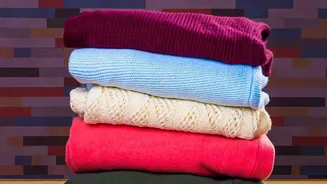
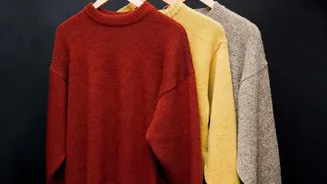
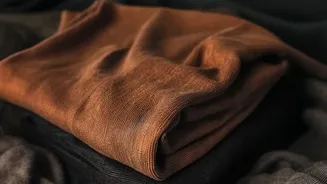
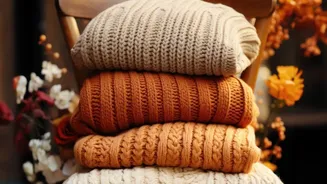
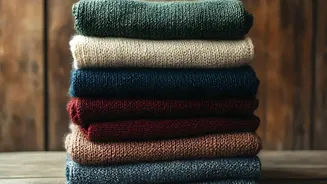
How you store your wool is crucial for its longevity. For knitted items like sweaters, always fold them. Hanging can cause the shoulders to stretch and lose their shape. Woven wool like coats can be hung on wide, padded hangers. Before putting anything away for long-term storage, make sure it's completely clean, as moths are attracted to body oils and food residue, not just the wool itself. Store garments in breathable cotton bags or sealed bins in a cool, dark, and dry place. Avoid plastic bags which can trap moisture and lead to mildew.
Keeping Pests and Pills at Bay
Moths are the biggest enemy of stored wool. To deter them naturally, use cedar blocks or dried lavender sachets in your drawers and closets. Cedar oil contains compounds that repel moths, and the blocks can be lightly sanded to refresh their scent. Another common issue is pilling, the little fuzzballs that form in high-friction areas. These can be safely removed with a sweater comb or an electric fabric shaver. Lay the garment flat and use light, even strokes. Never pull the pills off by hand, as this can damage the fibres and lead to more pilling.
Unconventional Freshness Hacks
For a truly deep refresh without washing, you can try freezing your wool garment. Place the dry item in a sealed bag and leave it in the freezer for a few hours or days. The cold temperature can kill odour-causing bacteria without harming the fibres. To manage light dirt and dust between washes, a gentle brushing with a soft-bristled clothes brush can work wonders. This lifts surface debris before it can become embedded in the fabric. For small spills, spot cleaning is your best friend. Blot the area immediately and use a tiny amount of wool detergent on a damp cloth, pressing gently rather than rubbing.