


The Two-Hour Rule and the 'Danger Zone'
The most critical concept in food safety is the 'temperature danger zone'. According to the U.S. Department of Agriculture (USDA), this is the temperature range between 40°F (4°C) and 140°F (60°C). In this zone, harmful bacteria like Salmonella and E.
coli can double in number in as little as 20 minutes. The cardinal rule is to ensure perishable food is refrigerated within two hours of being cooked. If the ambient temperature is high, such as above 90°F (32°C), that window shrinks to just one hour. Leaving a large, hot pot of food on the counter to cool for several hours keeps it in this danger zone for far too long, creating a perfect breeding ground for bacteria.
Why a Big, Hot Pot Is a Problem
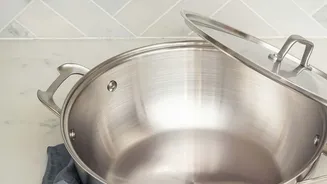
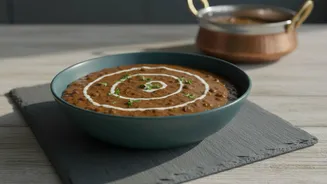
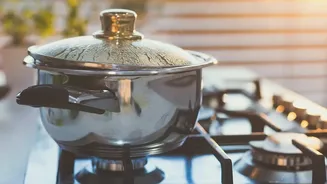
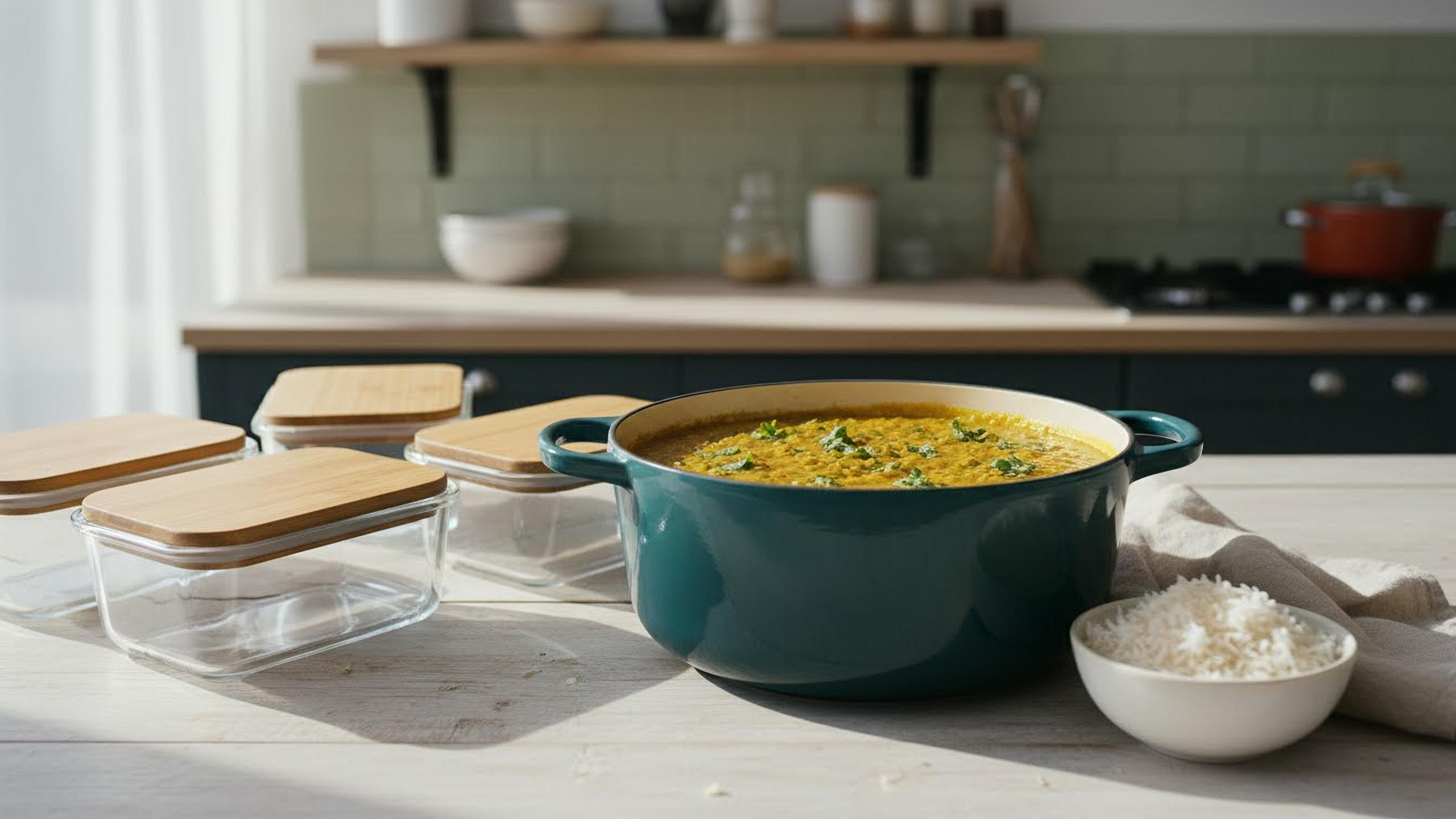
It might seem logical to let a large pot of soup or curry cool on the stovetop before putting it away, or even to place the entire hot pot directly into the refrigerator. However, both of these common practices are risky. A large, dense volume of food cools very slowly. The food in the center of the pot can remain in the temperature danger zone for many hours, even if the pot is in the refrigerator. Placing a very hot, large container in the fridge also has a negative side effect: it can raise the ambient temperature inside the appliance, putting other refrigerated foods at risk. The goal is to cool the food through the danger zone as quickly as possible, and a big pot works against this.
The Shallow Container Solution
The single most effective strategy for cooling food safely is to increase its surface area. Instead of leaving food in one large pot, divide it into several smaller, shallow containers. Food safety experts recommend using containers that are no more than two or three inches deep. This allows the heat to dissipate much more rapidly and evenly. For large cuts of meat like a roast or a whole chicken, the principle is the same: carve the meat into smaller pieces before storing. This simple step of portioning out your leftovers is crucial for getting the food down to a safe temperature of 40°F or below quickly.
Active Cooling Techniques to Speed It Up
Once your leftovers are in shallow containers, you can take extra steps to accelerate the cooling process before refrigeration. One popular method is an ice water bath. Simply place your smaller containers into a larger basin or a clean sink filled with ice and a little water. Stirring the food occasionally during the bath will help release heat even faster. Another option for soups and stews is to use 'ice paddles'—reusable plastic wands that you fill with water and freeze. Stirring the food with these paddles cools it down from the inside out. You can also plan ahead by making a recipe slightly thicker and adding ice as the final ingredient to help cool it.
When and How to Refrigerate
Food doesn't need to be completely cold before going into the refrigerator, but it should be cooled enough to be out of the most dangerous temperature range. Food service guidelines often use a two-stage method: cooling food from 135°F to 70°F within two hours, and then to 41°F within the next four hours. For home use, a good rule of thumb is to use active cooling methods to bring the temperature down, and then refrigerate within that initial two-hour window. When you first place the containers in the fridge, you can leave the lids slightly ajar or cover them loosely to allow more heat and steam to escape, preventing condensation. Once the food is fully chilled, seal the containers tightly. Properly refrigerated leftovers are generally safe to eat for three to four days.