

The September Forecast: A Deficit Looms
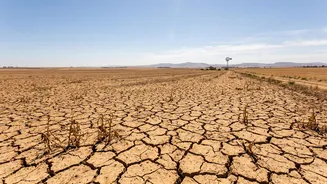
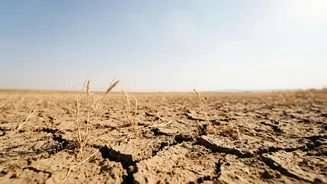
The India Meteorological Department (IMD) has forecast that rainfall for September 2026 is most likely to be below normal, at less than 91% of the Long Period Average (LPA). This comes after an already uneven season, with a 14% rainfall deficit in the first
three months of the monsoon. August 2026 was notably dry, with rainfall 16% below normal. The primary driver behind this weaker forecast is the strengthening El Niño condition in the Pacific Ocean, which typically leads to drier conditions in India. While some parts of the country might see normal to above-normal rain, many key agricultural regions are expected to face a shortfall.
For Farmers: A Critical Period for Kharif Crops
September's rainfall is vital for farmers. Many Kharif (summer) crops, such as rice, pulses, soybeans, and sugarcane, are in their final growth stages where adequate moisture is critical for grain filling and yield. A continued deficit could directly impact the final output. For instance, early estimates have already suggested a potential decline in rice and corn production due to the erratic monsoon. The lack of rain not only threatens the current harvest but also affects soil moisture, which is crucial for the upcoming Rabi (winter) crop sowing season for crops like wheat and chickpeas. This could mean lower farm incomes and increased rural distress.
For Traders: Bracing for Market Volatility
Commodity traders watch monsoon forecasts as closely as stock tickers. A forecast for below-normal rain often signals potential supply constraints, leading to price volatility in agricultural commodities. With the prospect of lower yields for key Kharif crops, traders will be anticipating tighter supplies, which could drive up prices for staples like pulses, edible oils, and sugar. The weak monsoon has already heightened the risk of rising food prices. This uncertainty can lead to speculative trading and price fluctuations in the futures market as traders try to hedge against or profit from the expected shortages. The performance of the monsoon directly influences rural incomes, which in turn drives demand for a host of goods, affecting various sectors of the economy.
For Shoppers: The Ripple Effect on Household Budgets
Ultimately, the monsoon's performance finds its way to the kitchen table. The combination of a potentially smaller harvest and market volatility often translates into higher retail prices for consumers. Food inflation, which was already showing signs of accelerating in July and August, is a major concern. A poor September showing could put further upward pressure on the prices of vegetables, grains, and other daily essentials in the coming months. This directly impacts household budgets, reducing disposable income and affecting overall consumer spending. The Reserve Bank of India also watches these trends closely, as a spike in food-led inflation could influence decisions on interest rates and monetary policy.