






Secure Your Pantry Staples
The pantry is ground zero for humidity-related spoilage. Grains like rice and dal, flours like atta, and crunchy snacks are highly susceptible to moisture, which can lead to clumping, mould, and weevil infestations. The single most effective defence is transferring
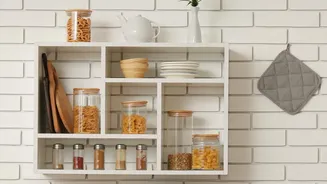
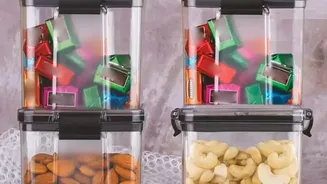
them from their original bags into completely dry, airtight containers. Glass or high-quality BPA-free plastic containers are ideal. For extra protection, consider lightly dry-roasting items like sooji (rava) and flours before storing them to remove any latent moisture. Traditional methods like adding a few dried neem or bay leaves to rice and grain containers can also act as natural insect repellents. Store these containers on shelves, never directly on the floor, as moisture can seep in from cool flooring.
Handle Vegetables and Fruits with Care
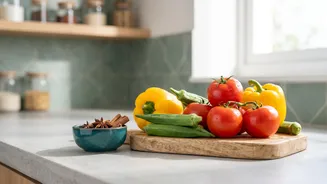
Fresh produce requires special attention during the monsoon. A common mistake is washing vegetables before storing them; this added moisture speeds up decay. Instead, wipe them clean and wash them just before use. For leafy greens like spinach and coriander, discard any wilted leaves, wrap the unwashed bunch in a paper towel to absorb excess moisture, and then place them in a ventilated or zip-lock bag in the refrigerator’s crisper drawer. Store vegetables like onions, potatoes, and garlic in a cool, dark, and well-ventilated place, not in sealed plastic bags or the refrigerator. Some fruits and vegetables release ethylene gas as they ripen, which can cause other produce to spoil faster, so it's wise to store items like tomatoes and peppers separately from leafy greens.
Master Your Refrigerator Strategy
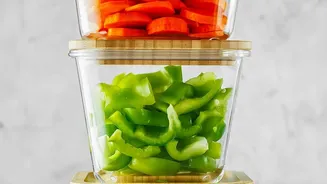
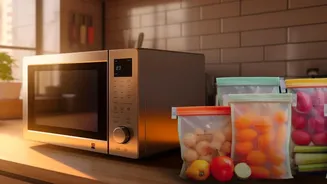
Your refrigerator is a key tool, but it needs to be managed correctly. High humidity means the fridge has to work harder, leading to condensation. Ensure your fridge is clean and not overly packed to allow for proper air circulation. When storing leftovers or cooked food, always let them cool down to room temperature before placing them inside in airtight containers. Storing hot food directly in the fridge raises the internal temperature and humidity, creating a breeding ground for bacteria. For the vegetable crisper, you can place a dry sponge inside to absorb excess moisture, helping to keep produce fresh for longer. Remember to clean or replace the sponge every few days to prevent it from becoming a source of bacteria itself.
Protect Your Spices and Condiments
Humidity is the enemy of your spice collection, causing powdered spices to clump and whole spices to lose their potency and develop mould. Store all spices in small, airtight jars in a cool, dry, and dark cabinet. Avoid keeping your spice rack near the stove or sink, as steam and moisture from cooking and washing can easily get into the containers. Always use a completely dry spoon when measuring out spices. For items like salt and sugar that are prone to clumping, adding a few grains of uncooked rice to the container can help absorb moisture. Buying spices in smaller quantities during the monsoon ensures they are used up while still fresh.
Be Smart About Cooked Food and Leftovers
Cooked food is particularly vulnerable to spoilage in the damp monsoon air. It should not be left exposed at room temperature for extended periods, as this attracts flies and airborne contaminants. Always cover cooked meals properly. When you have leftovers, store them in clean, airtight containers and refrigerate them as soon as they have cooled. During the rainy season, it's a good practice to cook in smaller batches to minimize waste and reduce the risk of spoilage. Before eating refrigerated leftovers, it's always best to heat them thoroughly to kill any potential bacteria and remove excess moisture.