





The Gentle Art of Cold-Steeping
Unlike traditional methods that involve boiling fruits to create a sugary syrup or concentrate, cold-steeping is a slow and gentle process. It involves immersing ingredients, like dried kokum or deseeded jamun, in cold water and letting them sit for an extended
period, typically between 6 to 12 hours in the refrigerator. Instead of using heat to force out flavour, this technique relies on time. The cold water slowly coaxes out the delicate aromatic compounds from the fruit, resulting in a smoother, less acidic, and more nuanced infusion. This method avoids the cooked or bitter notes that can sometimes arise from boiling, preserving the ingredient's authentic taste.
Why Kokum and Jamun Are Perfect Candidates
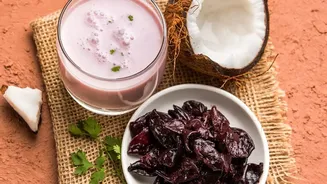
Kokum and jamun are ideal for this preparation. Kokum, or Garcinia indica, is traditionally used in coastal regions as a souring agent and a cooling agent to combat summer heat. Its tangy profile and deep red hue are extracted beautifully in a cold steep. Ayurveda values kokum for its ability to aid digestion and reduce body heat. Jamun, or the Indian blackberry, has a unique sweet, sour, and slightly astringent taste. It is packed with antioxidants and has been used in traditional medicine to manage various ailments, including digestive issues and improving heart health. Cold-steeping captures jamun’s vibrant purple colour and complex flavour without the need for intensive processing.
The Low-Sugar Advantage
The claim of being 'low-sugar' is where cold-steeping truly shines. The method itself doesn't remove sugar, but it creates a beverage that doesn't need much of it. Traditional sherbets often rely on a heavy sugar syrup to preserve the fruit concentrate and balance any tartness from boiling. Cold-steeping, however, yields a flavour that is naturally smoother and less bitter. This cleaner taste profile means that the resulting infusion is delicious on its own or with minimal added sweetener. As consumers across India increasingly seek out low-sugar and no-sugar options, this technique offers a natural way to create flavourful drinks that align with modern wellness trends. The focus shifts from masking flavours with sugar to celebrating the pure essence of the fruit.
A Fresh Take on Traditional Tastes
This trend represents a broader movement in India's beverage scene: honouring heritage ingredients with contemporary techniques. While you might not see 'cold-steeped jamun' on every menu yet, the principle is gaining ground. Mixologists and cafes are increasingly exploring India's vast pantry of regional ingredients—from tamarind to gondhoraj lime—to craft unique, non-alcoholic drinks. By combining traditional flavours like kokum and jamun with modern methods, they create beverages that feel both innovative and deeply rooted in Indian culture. This approach caters to a growing desire for authenticity and health-consciousness, offering a sophisticated alternative to mass-produced soft drinks.
How to Try It at Home
The beauty of cold-steeping lies in its simplicity. To make a basic kokum infusion, rinse a handful of dried kokum peels, place them in a jar of cold water, and let it steep in the fridge overnight. The next day, you'll have a refreshing, tangy liquid that can be enjoyed as is, or with a pinch of black salt and roasted cumin powder. For jamun, the process is similar. Deseed fresh jamuns, lightly muddle them to release their juices, and steep them in cold water in the refrigerator. You can strain the fruit out or leave it in for a more pulpy texture. It’s an easy, no-cook way to create a bespoke, healthy beverage tailored to your taste.