







The Anatomy of a Digital Lie
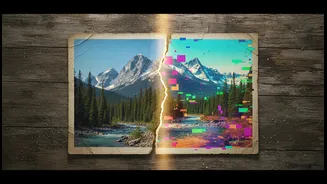
In the complex world of misinformation, not all falsehoods are created equal. Some are complete fabrications, while others are more subtle. The reuse of authentic images in a misleading context falls into a category often called 'false context' or 'malinformation'.
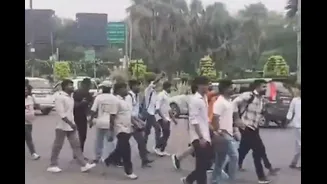
This is when a genuine photo or video is deliberately repurposed to fit a new, unrelated narrative. For example, a picture of a crowded beach from a summer festival years ago might be shared as 'proof' that people are ignoring current lockdown orders. The image itself is real, but its connection to the new event is entirely false. This tactic is particularly deceptive because the visual evidence feels undeniably true, tricking our brains into accepting the accompanying story without question.
Why Our Brains Fall for It
This form of misinformation is effective because it hijacks our natural cognitive processes. Humans are visual creatures, and we process images far faster than text. When we see a photo, our emotional response is often immediate. This emotional reaction can override our critical thinking. Furthermore, we are all susceptible to confirmation bias, the tendency to favour information that aligns with our existing beliefs. If an image in a misleading context supports a view we already hold, we are much more likely to accept it as truth and share it. The fact that the image is authentic gives it a veneer of credibility that a completely fabricated story might lack. Propagandists and disinformers exploit this, knowing that an emotional, plausible-looking post is more likely to be shared quickly.
Real-World Consequences
The impact of this tactic is far from trivial. Authentic images from past conflicts are frequently recirculated online to inflame tensions in current geopolitical disputes. Photos of victims from one natural disaster are sometimes used to solicit fraudulent donations for another. Political campaigns can be targeted by opponents who dig up old, out-of-context photos to create a false impression of a candidate. For instance, a photo of a politician at a lavish party from a decade ago could be presented as if it happened during a recent period of national hardship. This creates confusion, fuels outrage, and erodes public trust in institutions and the media. It turns facts into weapons and makes it harder for citizens to distinguish between reality and manipulation.
Your Toolkit for Digital Verification
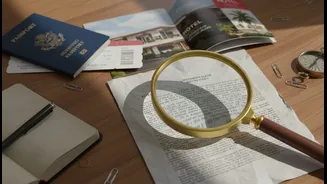
The good news is that you can develop habits to protect yourself. The most powerful tool at your disposal is the reverse image search. Websites like Google Images and TinEye allow you to upload a photo or paste its URL to see where else it has appeared online. This can quickly reveal if the image is old and from a completely different event. When you see a suspicious image, take a moment to perform this simple check before sharing. Also, look for clues within the image itself. Do the clothes, signs, or weather seem to match the supposed context? Finally, always consider the source. Is the account sharing the image a reputable news organization or a random, anonymous profile? A healthy dose of scepticism is your best defence.