






Goodbye Paper, Hello Digital Declaration
For decades, the paper Incoming Passenger Card has been a mandatory hurdle for every traveller arriving in Australia. But the federal government is now phasing it out, investing $56.1 million to replace it with a national digital system called the Australia Travel
Declaration (ATD). Following a successful trial with over 450,000 Qantas passengers, the system is set for a phased rollout across all international airports and seaports over the next 12 to 18 months. The goal is to modernise the border, reduce manual paperwork, and speed up processing times, allowing travellers to get from the gate to the exit faster than ever before.
The Core Component: A Simple Web Form
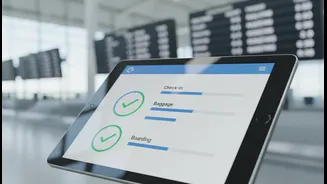
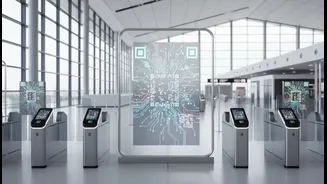
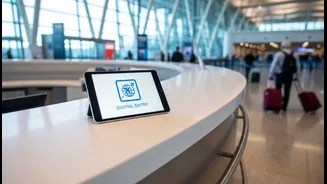
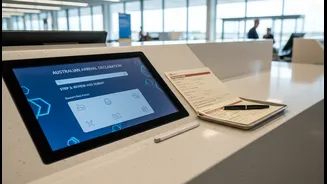
At its heart, the new system relies on a simple and user-friendly web form. Instead of completing a physical card on the plane, travellers will be able to submit their customs, biosecurity, and contact information online up to 72 hours before they arrive. Initially, this will be available through a government website. Upon completion, the traveller receives a unique QR code via email, which can be scanned by Australian Border Force officials upon arrival, even if the phone is offline. This process allows border agencies to receive and assess passenger information earlier, improving their ability to identify security and biosecurity risks before a flight even lands.
Seamless Airline Integration
A key element of the system’s success is its integration with airlines. The initial pilot program was built into the Qantas app, allowing passengers to complete their declaration seamlessly as part of their pre-flight preparation. The government plans to continue collaborating with the airline industry to eventually embed this functionality into other carrier apps. This integration is crucial for creating a smoother journey. It allows airlines to verify that a passenger has completed the required declaration before they even get to the airport, potentially streamlining the check-in process and preventing delays. This ensures passengers have fulfilled all entry requirements before they board their flight.
The Future: Biometrics and Digital Credentials
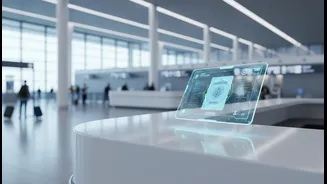
The Digital Arrival Declaration is just the first step towards a broader ambition for a fully digital and seamless border experience. Government ministers have stated the goal is to meet passenger expectations for a biometric-enabled travel journey. This points toward the future use of digital credentials, a secure way for individuals to control and share their verified identity information. Rather than just submitting data for one trip, travellers could one day have a reusable and secure digital identity that links to their passport and biometric data. This aligns with a national strategy for Digital ID and Verifiable Credentials, which aims to make accessing services safer and more efficient while giving people more control over their personal data.
What It Means For Travellers
For the millions of tourists, business travellers, and returning residents, this new system promises a more convenient and less stressful arrival. The primary benefits are less time spent on paperwork and shorter queues at immigration. It also strengthens Australia's biosecurity screening by providing higher-quality data to agencies sooner. While the system is being designed to be user-friendly, paper forms will still be available for those who need them, ensuring the transition is accessible for all travellers. As the system expands from pilot airports like Sydney, Melbourne, and Brisbane to a full national rollout, it will bring Australia's border processing into the 21st century, in line with other major travel hubs around the world.