





What is Recipe-Level Maths?
The concept sounds more complex than it is. At its heart, "recipe-level maths" is the simple practice of strategically planning meals around overlapping ingredients. Instead of creating a weekly menu of seven completely distinct dishes, each with its own
unique shopping list, you intentionally choose recipes that share core components. This approach, also known as "ingredient cross-utilization," is a superpower used by restaurants to boost profits and cut down on waste. By looking at your week's meals as a whole system, you can find efficiencies that save money, reduce food waste, and make shopping much faster. It’s about making one bunch of spinach work for both a palak paneer and a smoothie, or using a whole roasted chicken for dinner one night and in sandwiches or a soup the next.
The Problem with Disconnected Meal Planning
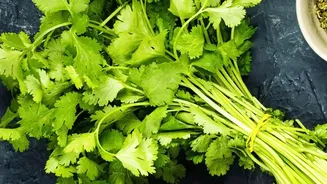
Most of us plan meals one day at a time, or go to the store with only a vague idea of what we need. This often leads to buying a special ingredient for a single recipe, like a bunch of celery where you only need two stalks, or a specific herb you won’t use again before it wilts. The rest of the ingredient sits forgotten in the back of the fridge. This inefficiency is where budgets get stretched and food gets wasted. Studies show an average family can throw away a significant amount of uneaten food each year, which is like throwing money directly in the bin. By contrast, thinking about ingredient overlap forces you to have a plan for everything you buy, ensuring it all gets used. This shifts meal planning from a reactive chore to a proactive strategy.
Putting the Principles to Work
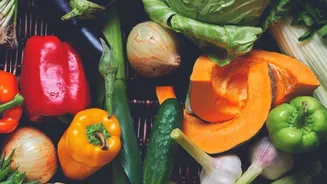
You don't need a spreadsheet or a degree in mathematics to apply this logic. Start with a simple method known as "reverse meal planning." First, take an inventory of your pantry, fridge, and freezer. Plan your first few meals around what you already have to use up ingredients before they spoil. Next, when planning the rest of your week, think in terms of versatile "bridge ingredients." These are staples that can work across multiple dishes. For example, if you buy a large bag of potatoes, you can plan for Aloo Gobi one night, mashed potatoes as a side another, and potato patties for breakfast. This approach encourages buying in larger, more economical quantities for items you know you'll use completely. Finally, build flexibility into your plan. If another vegetable is on sale, be willing to make a substitution.
From Manual Maths to Smart Tools
While you can do this yourself with pen and paper, technology can handle the heavy lifting. A growing number of AI-powered meal planning apps and tools are designed to do this optimization for you. You can input your dietary preferences, budget constraints, and even the ingredients you already have on hand, and the algorithm will generate a week's worth of recipes and a corresponding shopping list that minimizes waste and cost. These systems are designed to identify ingredient overlaps automatically, suggesting diverse meals that are interconnected behind the scenes. For example, you can give a prompt like, “Plan five family dinners using chicken, broccoli, and rice, and tell me what other three ingredients I need to buy.” This turns the complex task of organizing chaos into a simple, actionable plan.