





A Different Kind of Wilderness
While many core zones of India's famous tiger reserves close from July to September for the annual wildlife breeding season and due to safety concerns on rain-damaged tracks, a growing trend offers a silver lining for travel enthusiasts. Several major
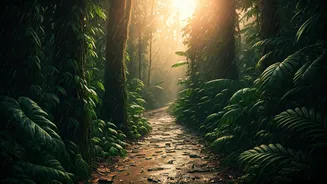
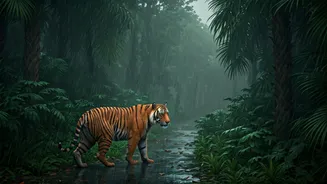
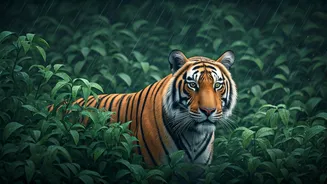
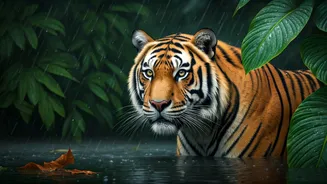
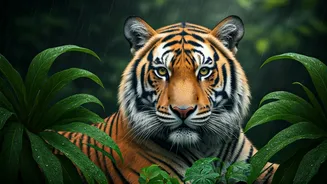
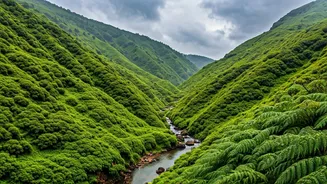
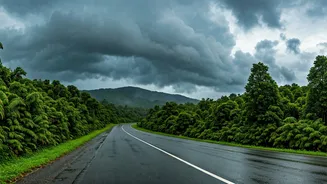
national parks are keeping their buffer zones and specific safari circuits open, providing a unique opportunity to witness the jungle in its lushest, greenest state. The monsoon transforms the forests into a paradise of vibrant foliage, flowing streams, and misty landscapes. For photographers and nature lovers, this season offers dramatic scenes, fewer crowds, and a more peaceful atmosphere than the peak tourist months. The entire ecosystem feels refreshed, and while the dense greenery can make spotting big cats a game of patience, the overall experience of a rain-washed forest is magical.
Where to Go This Monsoon
A number of premier wildlife destinations across India are accessible this monsoon. In Rajasthan, while the core zones (1-5) of Ranthambore Tiger Reserve are closed, its buffer zones (6-10) remain open for safaris, offering stunning views of the rain-drenched Aravalli hills. Similarly, in Maharashtra, Tadoba-Andhari Tiger Reserve, one of the state's prime tiger habitats, allows safaris in its buffer zones like Moharli, Kolara, and Navegaon. The Forest Department has confirmed that all buffer zones in Maharashtra's tiger reserves will stay open this season. Down south, parks in Karnataka like Nagarhole (including the Kabini region) and Bandipur remain popular and largely accessible, famed for elephant sightings against a green backdrop. Other notable options include Pench and Satpura in Madhya Pradesh, where buffer zones also welcome visitors, and Periyar in Kerala, which offers a distinct experience with its boat safaris on the lake.
What to See and Expect
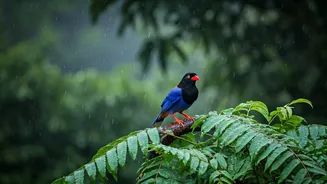
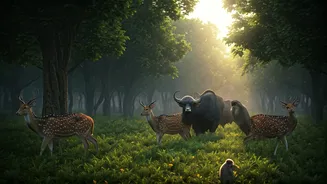
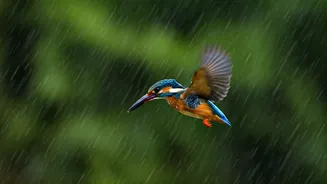
A monsoon safari offers a different checklist of sightings. While tigers and leopards can be elusive in the thick vegetation, this is a prime time for birdwatching, as many migratory species arrive and resident birds are highly active. The replenished water bodies attract large herbivores like elephants, gaur (Indian bison), and various species of deer. Reptiles and amphibians are also more visible. It's a season to appreciate the entire ecosystem, from the smallest insects to the largest mammals enjoying the fresh vegetation. The experience is less about chasing a single species and more about immersing yourself in the vibrant, living forest. Keep in mind that safaris can be cancelled at short notice due to heavy rain or poor road conditions, so it's wise to have a flexible itinerary.
Planning Your Safari Adventure
Booking in advance is crucial, even during the monsoon, as the number of safari jeeps allowed into the parks is limited. Bookings can typically be made through the official forest department websites. When packing, prioritise waterproof gear. A lightweight rain jacket, quick-drying clothes in muted, earthy colours, and waterproof boots are essential. Insect repellent is a must, as is protection for your camera equipment from the moisture. Given the potential for slippery tracks and leeches in some regions, especially during nature walks, it's advisable to carry salt or a vinegar spray and wear high-top boots. Opting for accommodations near the accessible buffer zone gates will save you travel time and allow you to make the most of the early morning and afternoon safari slots.