
From Ancient Ritual to Social Media Star
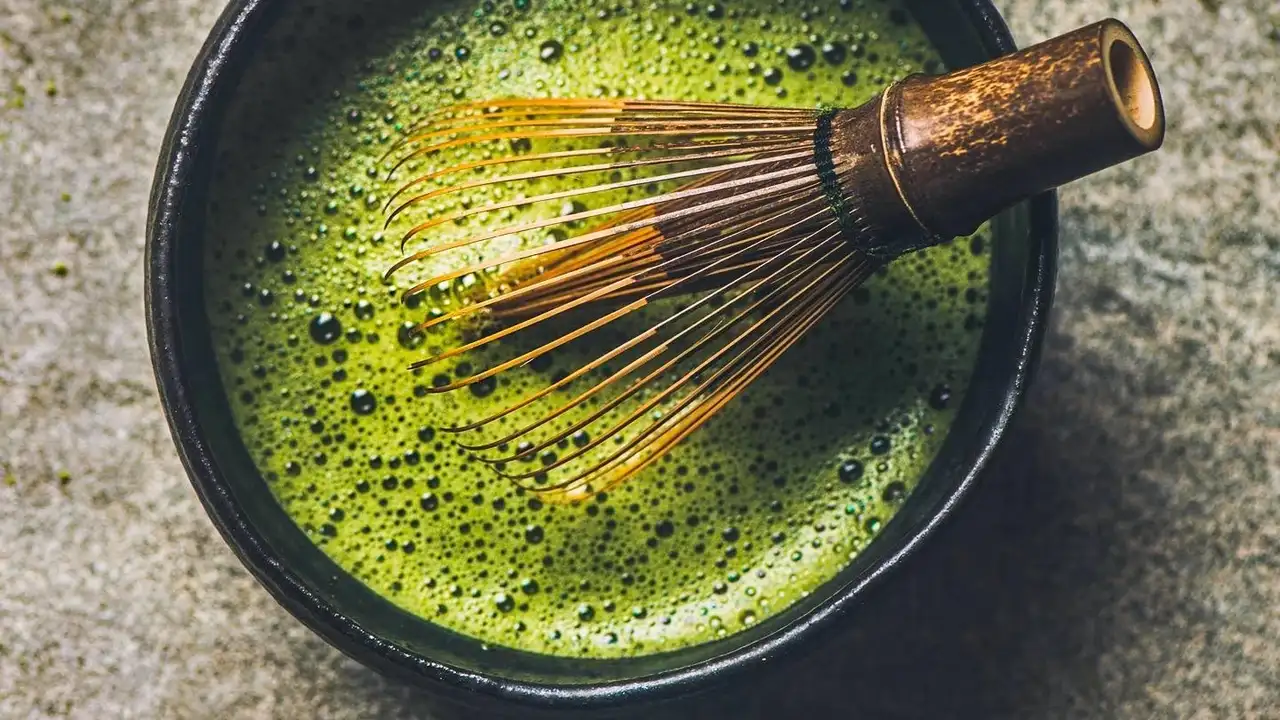
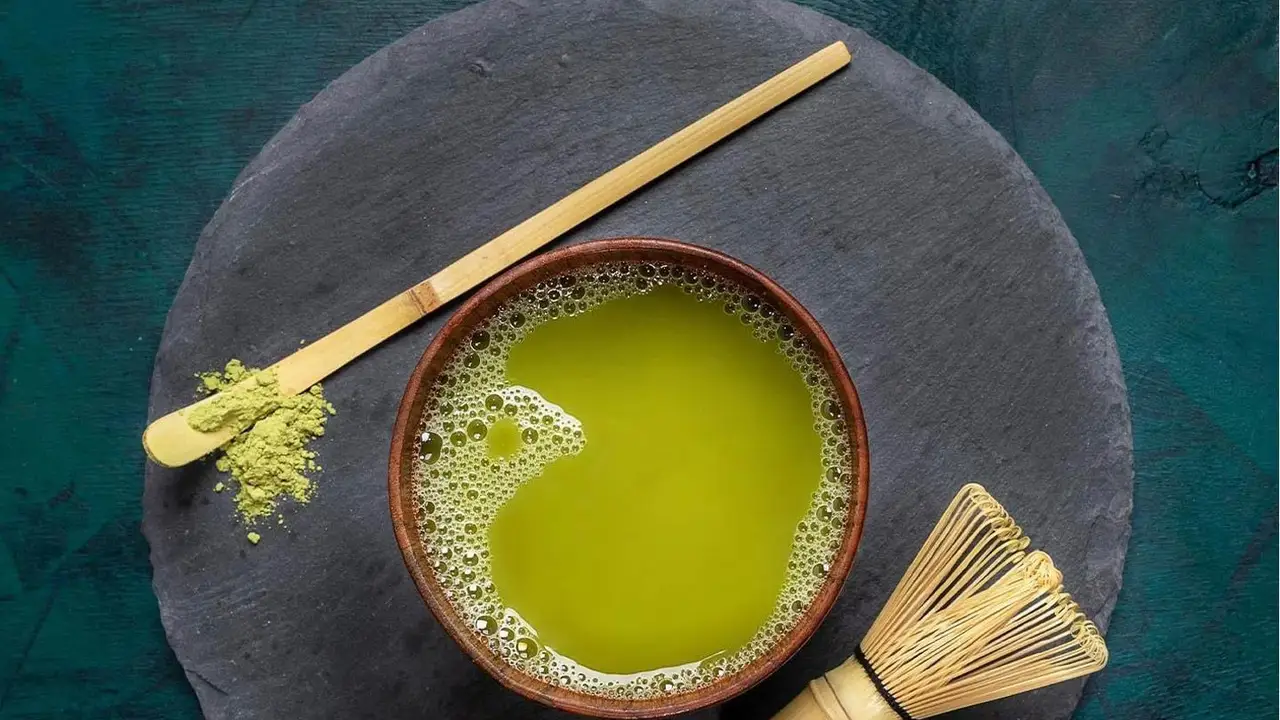
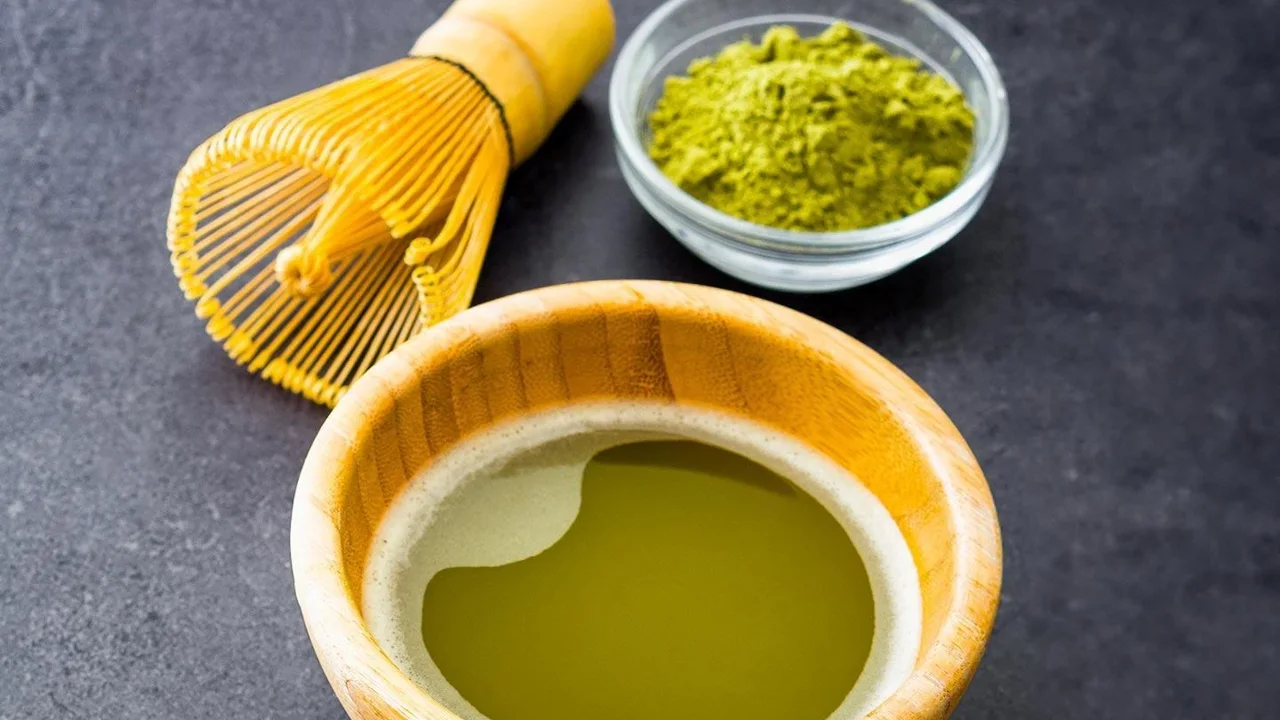
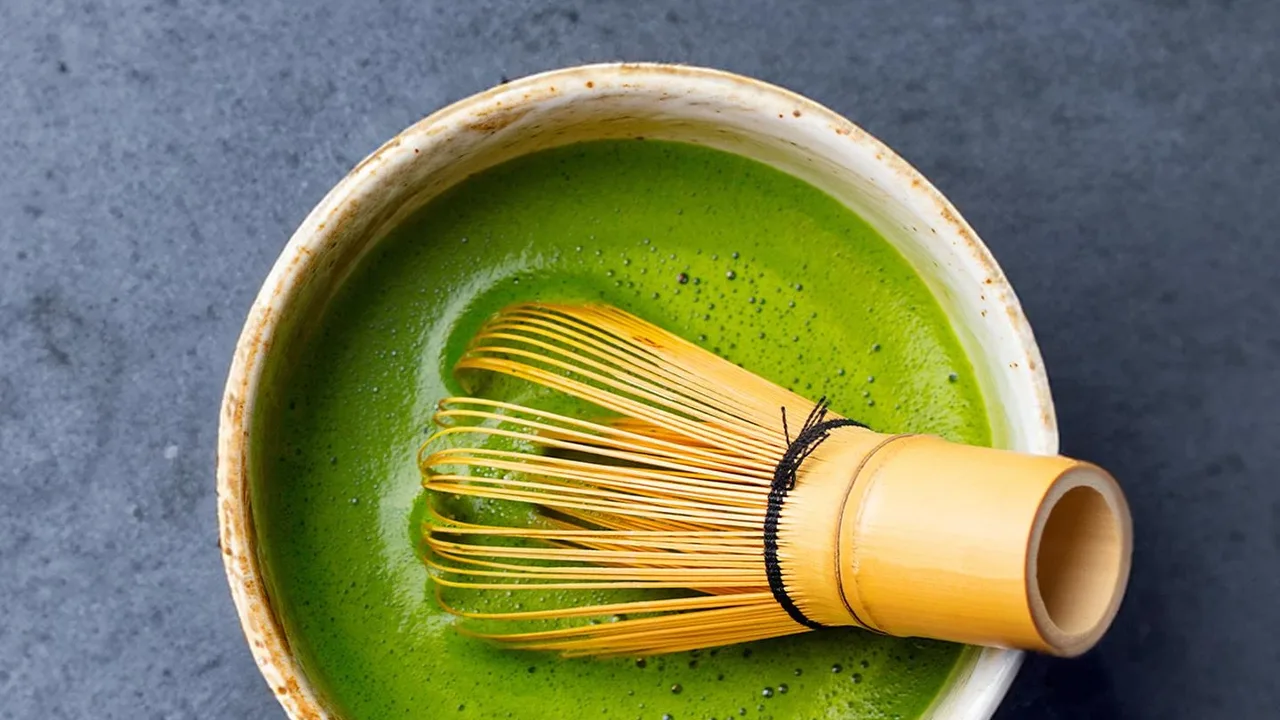
For centuries, matcha was central to Japanese tea ceremonies, a symbol of mindfulness and tradition. It's a fine powder made from specially grown and processed green tea leaves. Unlike regular green tea, where you discard the leaves after steeping, with
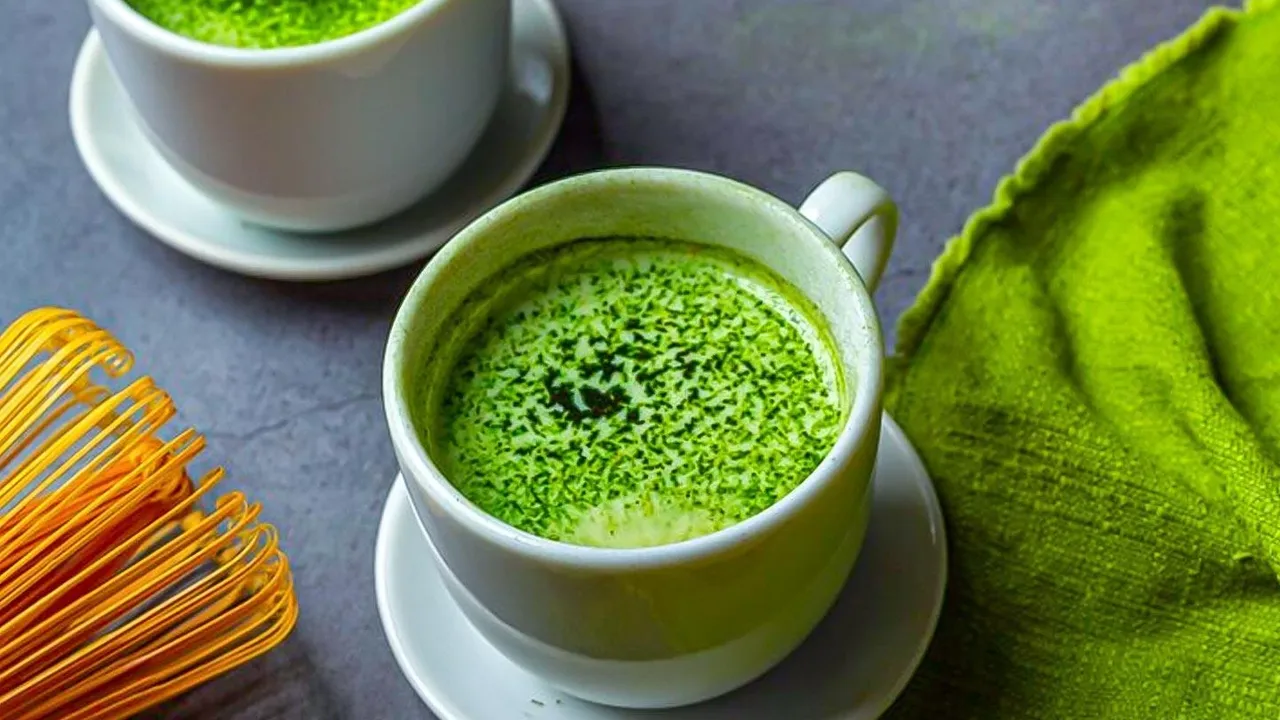
matcha you consume the entire leaf. This process is what gives matcha its concentrated power, both in flavour and in nutrients. But in 2026, its identity has expanded far beyond the tea bowl. It has become a visual and cultural icon online, driven by its aesthetic appeal and its reputation as a superfood. The hashtag #matcha dominates platforms like Instagram and TikTok, turning a traditional beverage into a modern-day status symbol for a new generation.
The Science of the Obsession
So, why the sudden explosion in popularity? It’s a perfect blend of aesthetics, wellness, and chemistry. Matcha's brilliant green hue is intensely photogenic, making it a natural fit for visually driven social media platforms. Beyond its looks, matcha is packed with health benefits. It is rich in antioxidants, particularly EGCG, which is known for its anti-inflammatory properties. One of its most celebrated qualities is its unique combination of caffeine and an amino acid called L-theanine. This pairing provides a state of “calm alertness”—a sustained energy boost without the jitteriness often associated with coffee, making it a popular alternative for those seeking focus.
The New Wave of Viral Matcha Recipes
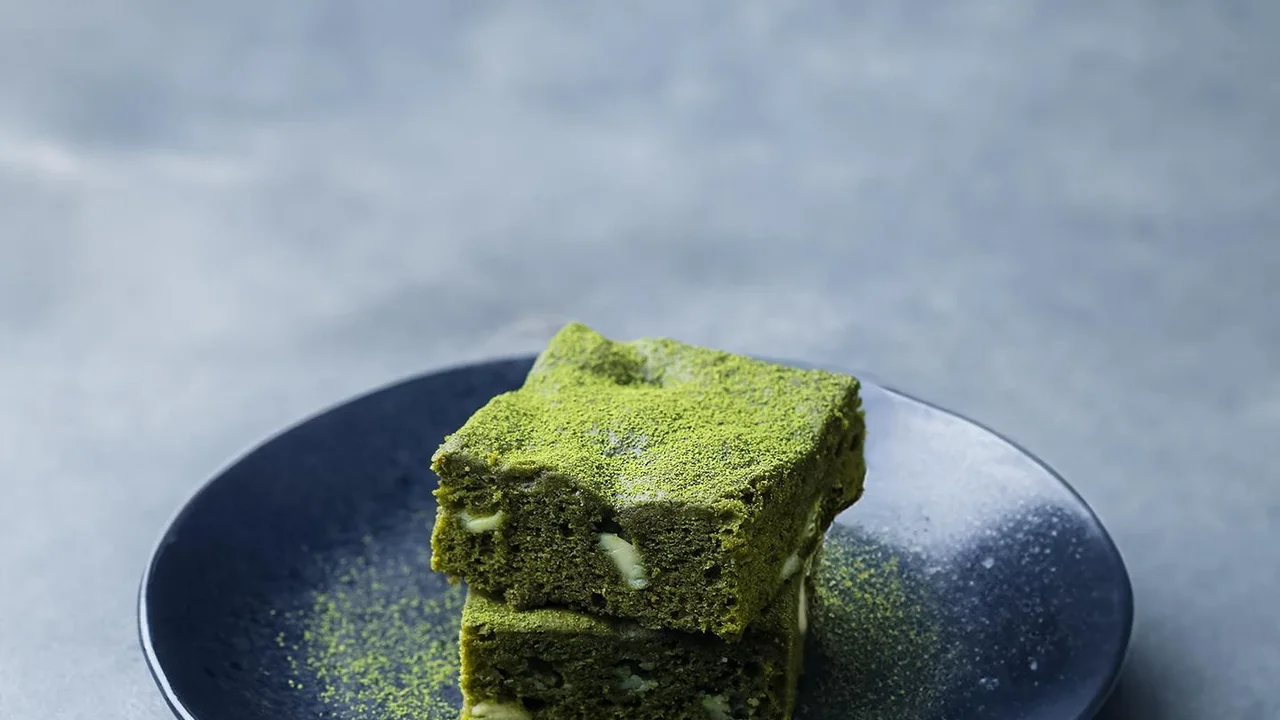
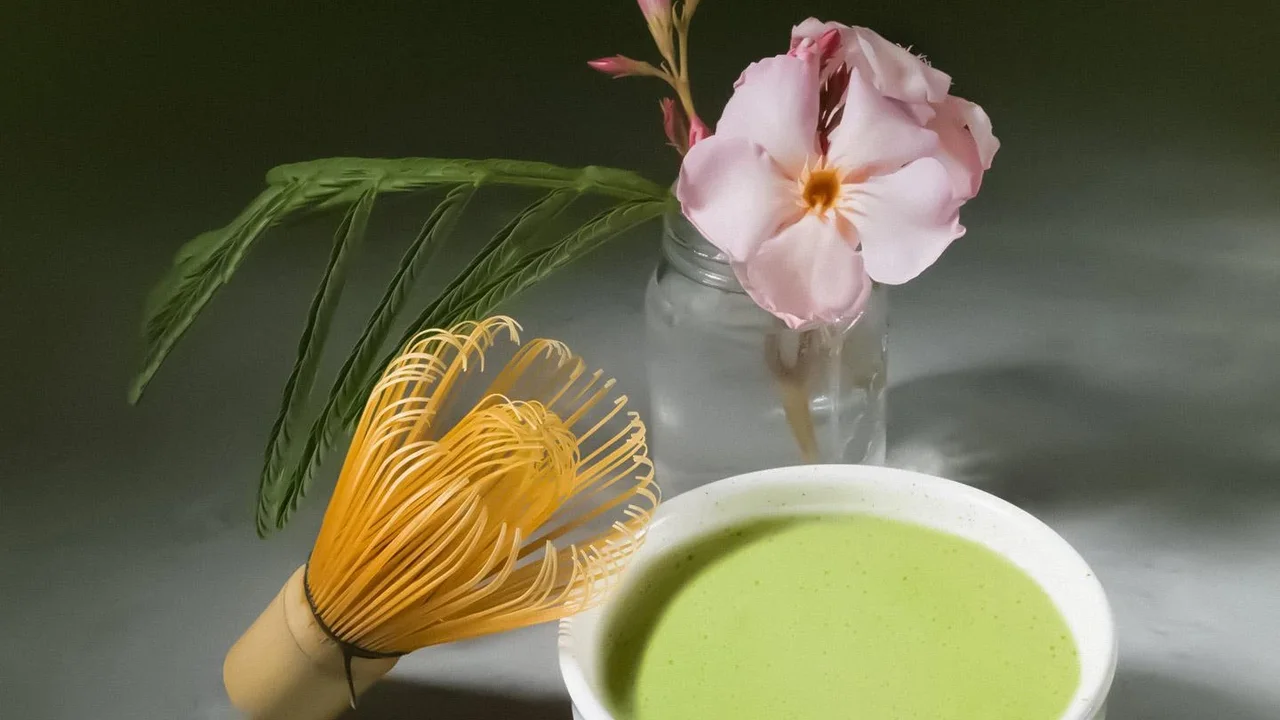
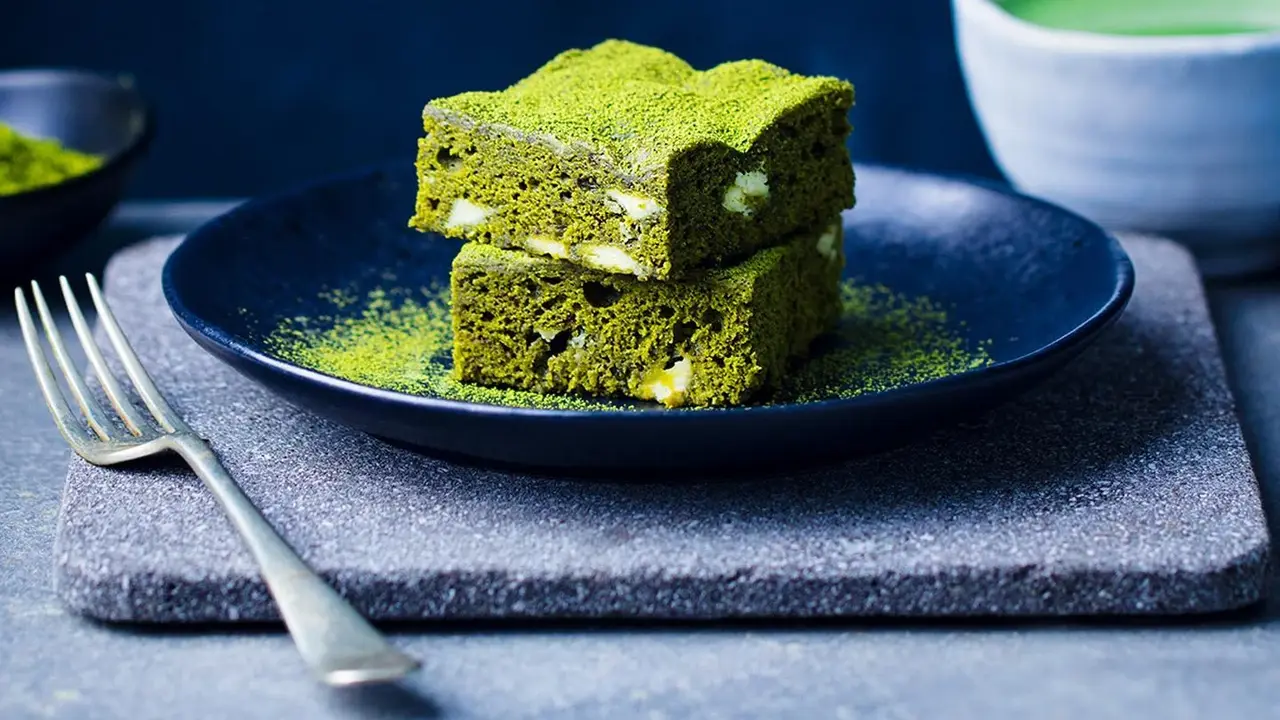
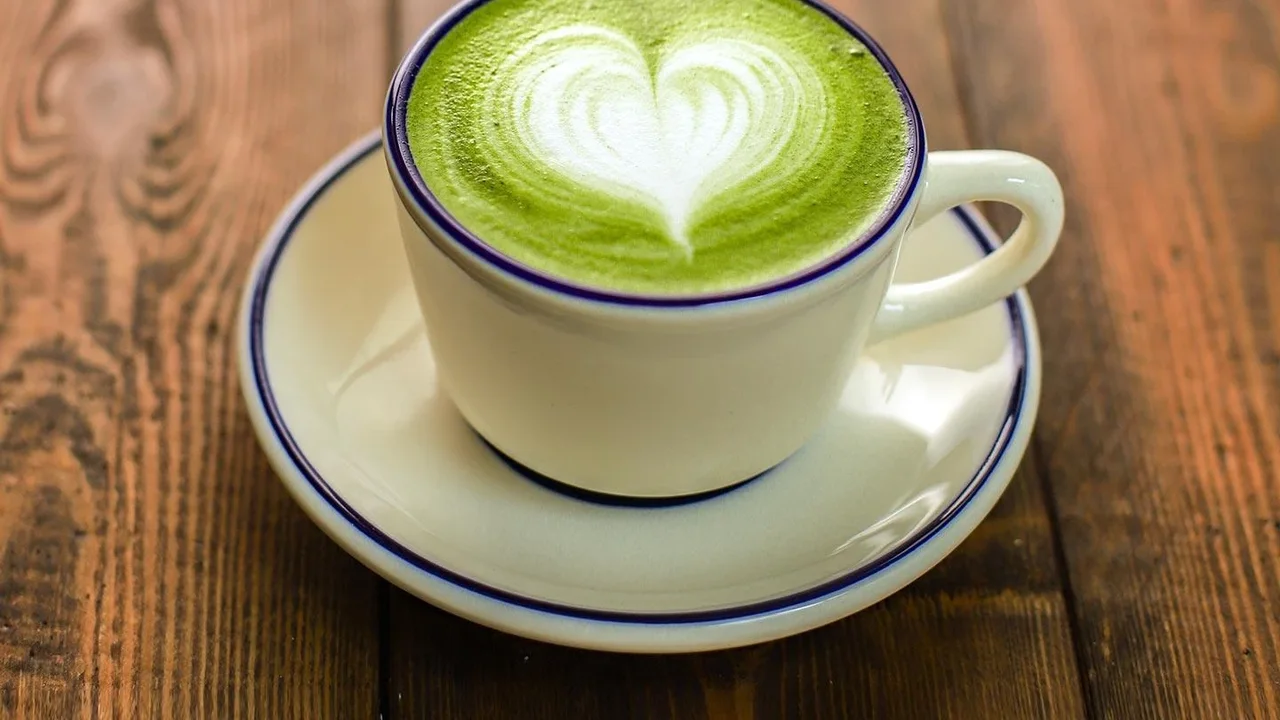
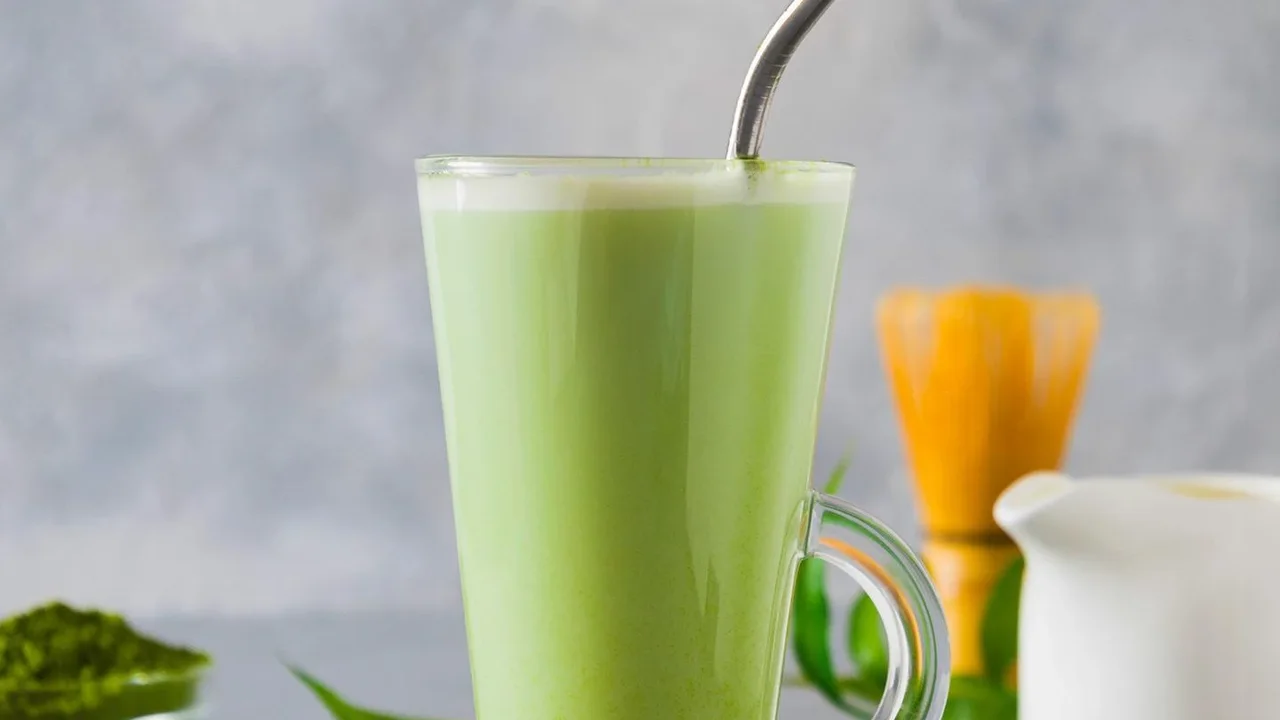
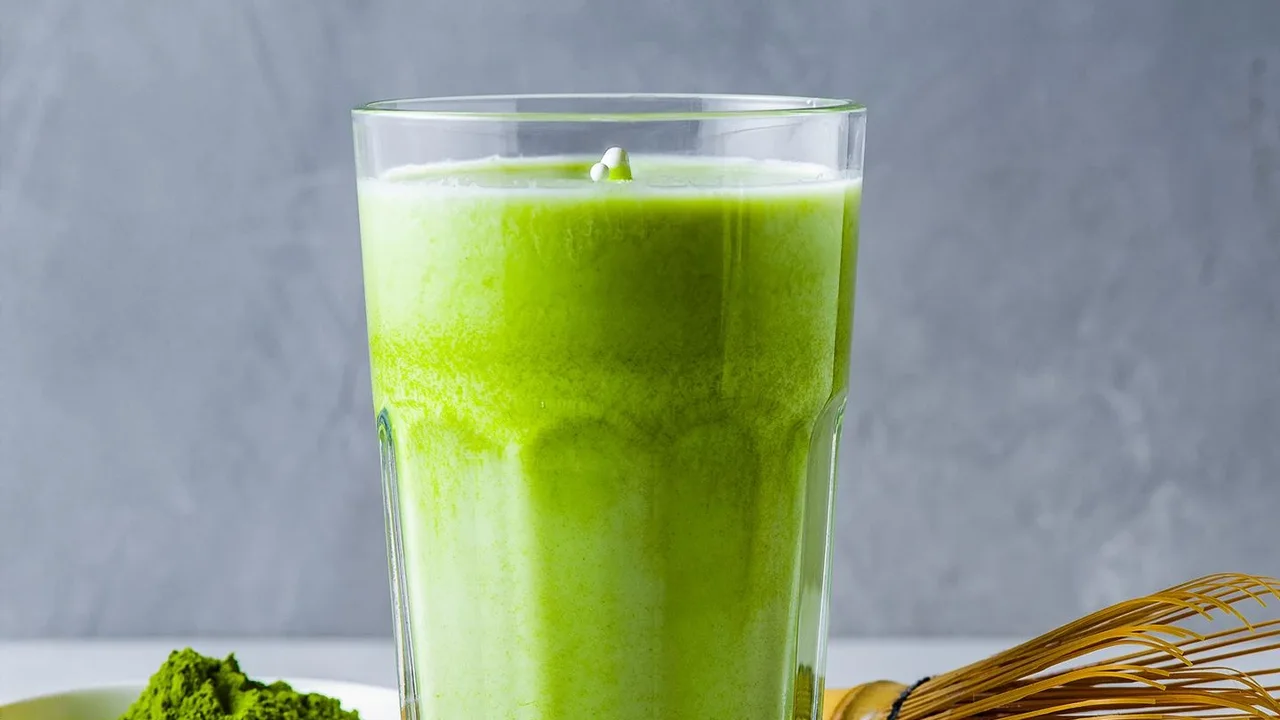
While the matcha latte remains a café staple, online creators are pushing the ingredient into exciting new territory. The trend echoes the Dalgona coffee craze, with whipped matcha or 'cloud matcha' lattes becoming a viral sensation. But the creativity doesn't stop at drinks. Home cooks and chefs are incorporating it into a stunning variety of dishes. We're now seeing recipes for fluffy matcha soufflé cheesecakes, rich and earthy Basque cheesecakes, and multi-layered matcha crêpe cakes. Desserts like matcha tiramisu, mousse, and panna cotta are also trending, offering a sophisticated twist on classic sweets. This versatility proves that matcha is more than just a beverage; it's a dynamic culinary ingredient.
An Indian Twist on the Green Trend
In India, the matcha trend is being warmly embraced and creatively adapted. While it started in urban cafes, it's quickly finding its way into home kitchens. Chefs and food bloggers are experimenting with fusion recipes that cater to the Indian palate. You can now find innovative creations like a matcha-aam panna, where the earthy notes of the tea complement the tangy sweetness of raw mango. Other chefs are using it to cut through the richness of desserts, leading to delights like matcha French toast and matcha-infused panna cotta. There are even whispers of matcha laddoos and kulfi, blending Japanese elegance with Indian heritage. This fusion demonstrates the ingredient's remarkable ability to adapt to diverse culinary landscapes.
Getting Started with Matcha
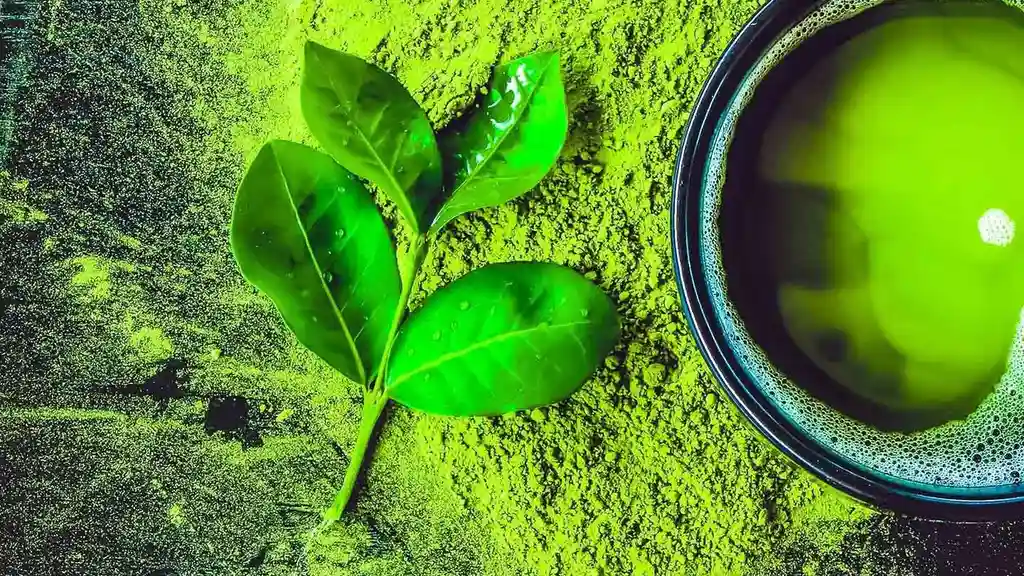
For those inspired to try these viral creations, it’s helpful to know that not all matcha is the same. It generally comes in two main grades: ceremonial and culinary. Ceremonial grade is the highest quality, intended for drinking with just water, and has a more subtle, complex flavour. Culinary grade is designed for mixing into lattes, smoothies, and baked goods. It has a bolder, more robust flavour that can stand up to other ingredients. While ceremonial grade can be used in recipes, culinary grade is often more cost-effective and better suited for cooking and baking. For the best flavour and colour, look for a powder that is vibrant green, as a dull or yellowish colour can indicate lower quality.