



A Race Against the Clock
Bengaluru Urban and Rural districts, along with surrounding areas like Kolar and Chikkaballapura, form India's rose basket. Millions of stems are harvested for domestic and international markets, from Dubai to London. But for the smallholder farmers who
form the backbone of this industry, every harvest begins a race against time. Flowers, especially delicate roses, are highly perishable. Post-harvest losses in Indian floriculture are estimated to be as high as 30-40%, a staggering figure primarily caused by inadequate storage and transportation infrastructure. Farmers have traditionally been forced to sell their produce immediately to avoid spoilage, leaving them at the mercy of fluctuating market prices and middlemen who often capture a large share of the profits. The lack of reliable electricity in many rural areas makes conventional, grid-powered cold storage an unviable option.
Harnessing the Sun's Power
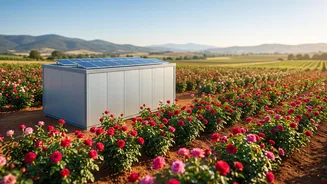
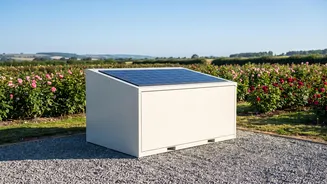
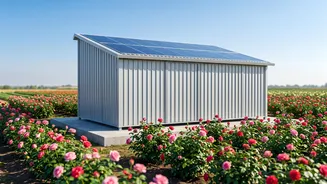
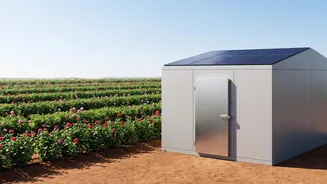
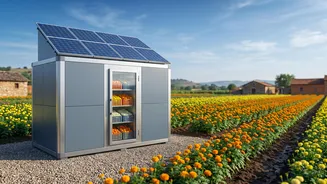
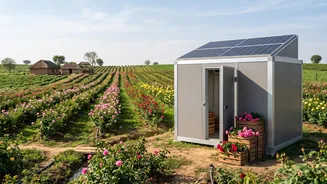
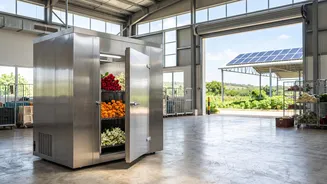
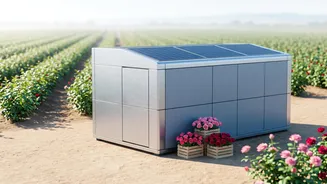
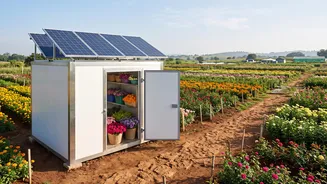
The solution is arriving in the form of off-grid solar cold chain logistics. These systems are not just a minor upgrade; they represent a fundamental shift in how farmers manage their harvests. The technology consists of a walk-in cold room powered entirely by solar panels. This electricity runs a refrigeration unit that keeps the internal temperature consistently low, ideal for preserving flowers. Crucially, these systems include battery storage, allowing them to operate through the night and on cloudy days, providing the 24/7 reliability that perishable goods demand. By placing these units directly at or near the farms, the technology creates what is known as 'farm-gate' cold storage, bridging a critical gap in the agricultural supply chain. This decentralized approach empowers farmers by giving them control over their produce right from the moment it's cut.
From Petals to Profits
The economic impact of this solar-powered intervention is profound. With access to reliable cold storage, farmers can dramatically reduce post-harvest losses, often from over 30% to less than 10%. This immediately translates to more sellable product. Furthermore, the ability to store roses for several days, or even weeks, liberates farmers from the need to sell immediately. They can wait for demand to rise and prices to improve, particularly during peak seasons like festivals or Valentine's Day, boosting their income by an estimated 20-30% or more. One project in Sadali, Karnataka, saw a Farmer Producer Organisation (FPO) successfully store roses and other horticultural products, generating rental income and allowing farmers to avoid distress sales. The storage cost in these solar units can be half that of distant, grid-connected facilities, while also cutting down on transportation expenses.
Scaling a Sustainable Future
This upgrade is more than just an economic win; it's a model for sustainable agricultural development. By running on renewable energy, these cold storage units reduce dependence on fossil fuels like diesel, which are often used for generators during power outages, thereby lowering carbon emissions. The transition is being supported by government subsidies and the efforts of social enterprises and FPOs, which help make the initial investment more affordable for small farmers. While challenges like upfront cost and the need for maintenance remain, the pay-per-use models offered by FPOs are proving effective. The success in floriculture provides a powerful blueprint. The same technology can be, and is being, used for fruits, vegetables, and dairy products, promising a more resilient and profitable future for smallholder farmers across India and strengthening the nation's food security.