

The Great Monsoon Footwear Rethink
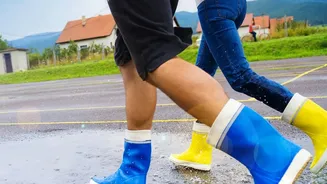
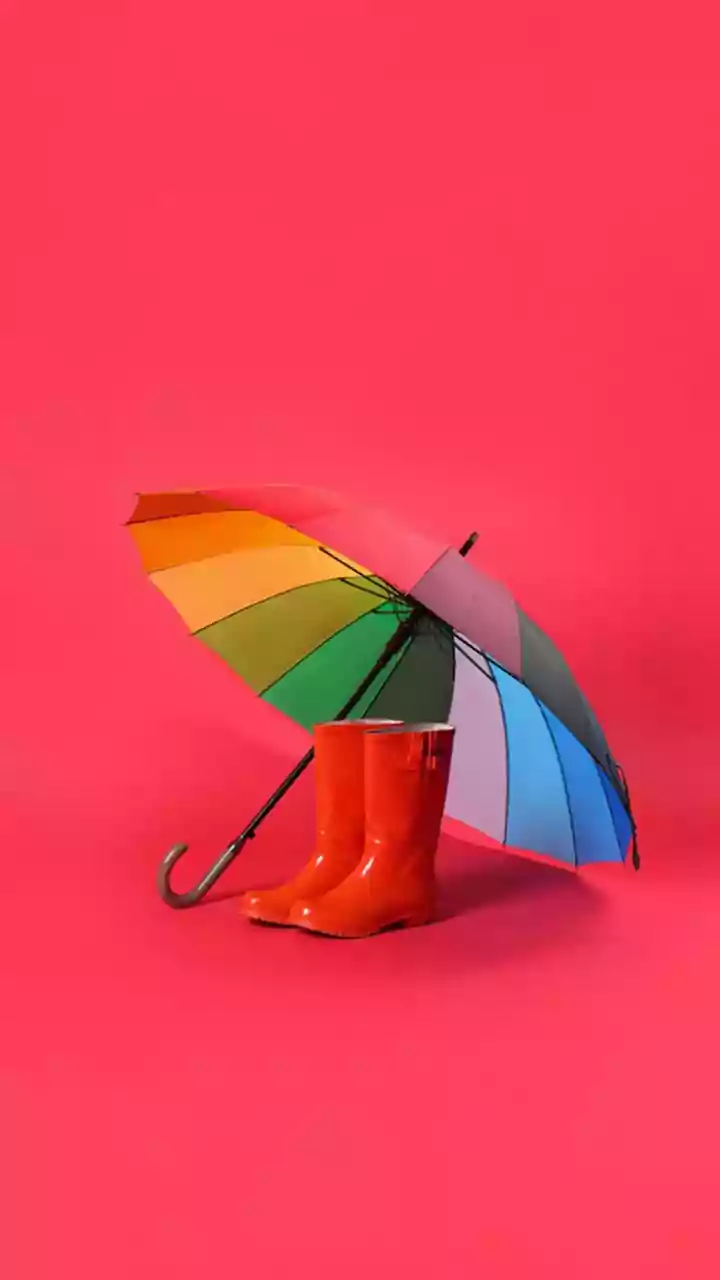
For years, monsoon footwear in India was a simple, often frustrating, choice between basic rubber flip-flops that offered poor grip and protection, or heavy, unfashionable gumboots. The 2026 season marks a decisive change, driven by a consumer demand
for footwear that does it all. People are no longer willing to sacrifice comfort or style for the sake of staying dry. This shift is towards hybrid footwear that integrates weather-proof features into everyday designs, meaning your rain shoes no longer have to look like rain shoes. The focus has moved to materials that are lightweight, quick-drying, and easy to clean, paired with designs that are versatile enough for the office, a casual outing, and the commute in between.
Comfort is King: Beyond Basic Rubber
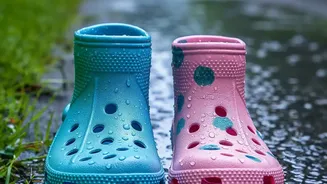
The single biggest evolution in this year's monsoon footwear is the focus on all-day comfort. Brands are moving away from hard, unforgiving plastics and embracing advanced materials like EVA (ethylene-vinyl acetate) and cushioned PU (polyurethane). EVA is prized for being incredibly lightweight, flexible, and offering a soft, cushioned feel underfoot, which significantly reduces fatigue during long commutes. Clogs and slides made from these materials have become staples because they provide a protective closed-toe design while remaining breathable and comfortable for hours. This new generation of rainwear acknowledges that a monsoon day involves more than just a quick dash through a downpour; it requires footwear that supports you from morning to evening, wet or dry.
The Science of Grip Gets Serious
Slipping on wet, polished tiles or slick, muddy pavements is a universal monsoon hazard. In 2026, anti-slip soles are a non-negotiable feature. Footwear designers are incorporating sophisticated tread patterns and high-traction rubber compounds, often borrowed from hiking and trail-running shoes, into everyday styles. Look for terms like 'anti-skid' or 'high-grip' outsoles with deep grooves that actively channel water away, improving contact with the ground. This focus on safety and stability is a core component of the new monsoon footwear philosophy, ensuring that your shoes provide a secure footing no matter the surface. Some high-performance waterproof sneakers even feature advanced outsoles that promise a supernatural-feeling grip on wet surfaces.
Style Meets Substance: The New Silhouettes
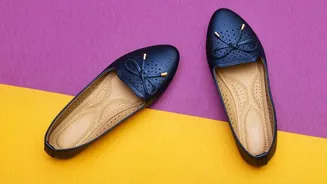
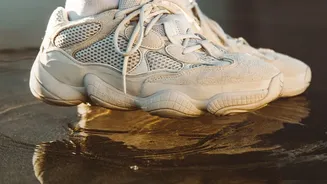
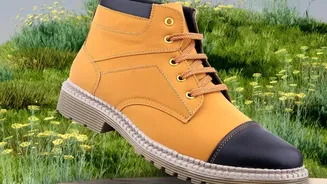
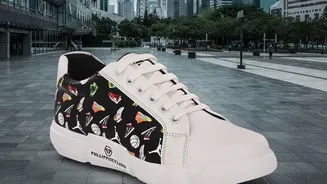
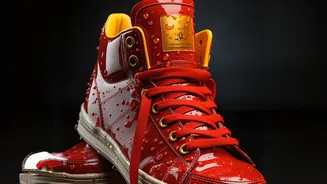
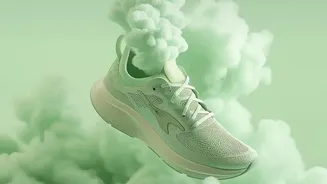
The most visible aspect of the 2026 shift is the variety of stylish silhouettes now available. Waterproof sneakers, once a niche item, have gone mainstream, with major brands offering versions featuring Gore-Tex membranes that keep feet completely dry without sacrificing the classic sneaker look. Jelly flats and sandals have also made a chic comeback, rendered in modern, minimalist designs that are both waterproof and fashionable. For a more polished look, waterproof ballet flats and even synthetic leather ankle boots provide office-appropriate options that can withstand a sudden shower. Clogs, once purely functional, are now a fashion statement, available in a wide range of colours and embraced for their unique blend of comfort and quirky style.
How to Choose Your Perfect Monsoon Pair
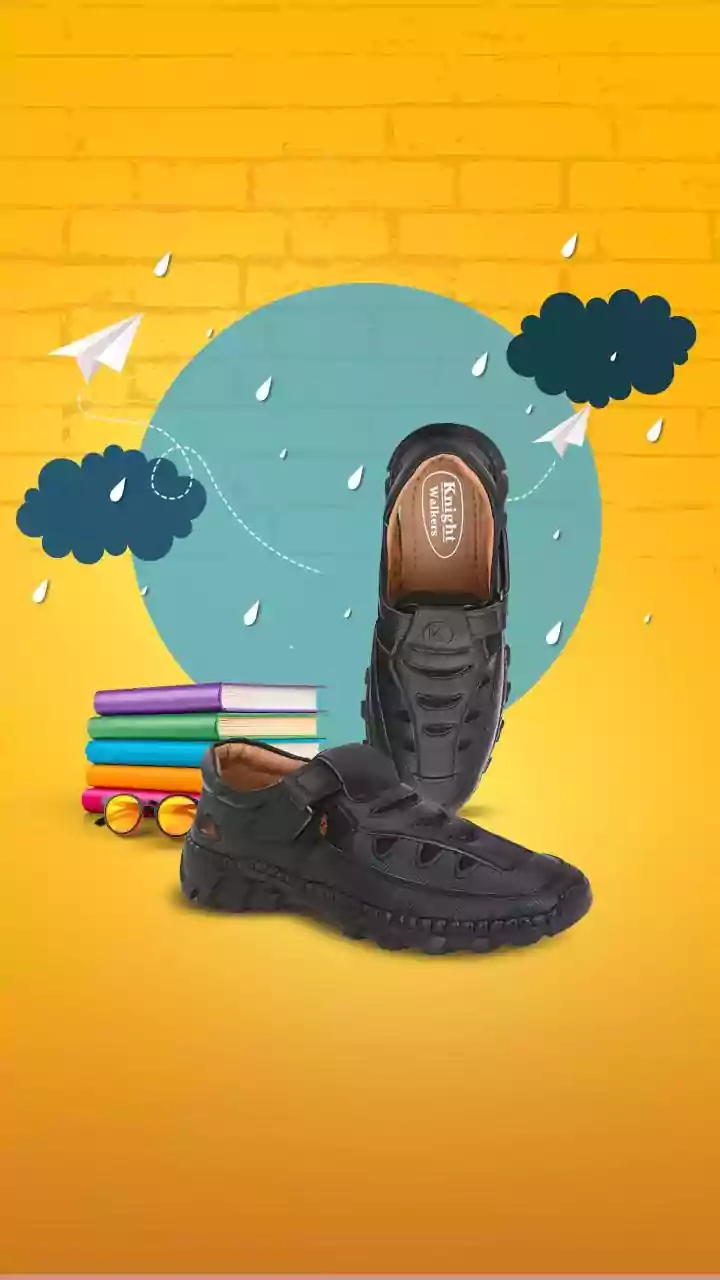
When shopping for new monsoon footwear, keep a few key criteria in mind. First, prioritise material: look for rubber, PVC, EVA, or synthetic options that are waterproof and quick-drying. Avoid leather and canvas, which absorb water and can get ruined. Second, inspect the sole. It should be flexible but sturdy, with deep treads for maximum grip. Third, consider your daily routine. If you commute long distances, a cushioned, closed-toe clog or waterproof sneaker might be best. For shorter errands, a pair of high-quality slides or strapped sandals with a grippy sole will suffice. Finally, ensure a secure fit. Adjustable straps can be particularly helpful, as they keep the footwear from slipping off on wet and uneven ground.