



The Strategy of 'Ingredient Overlap'
The secret to a more efficient and economical kitchen is a concept professional chefs use called 'cross-utilization' or 'ingredient overlap'. Instead of planning seven different dinners with seven unique shopping lists, the idea is to strategically choose
meals that share core ingredients. This simple shift in planning has immediate benefits: it shrinks your grocery list, slashes food waste, and makes cooking faster because you're working with familiar items. It's not about eating leftovers for days on end, but about transforming a single core component into a variety of distinct dishes. This approach tackles the common problem of buying an ingredient for one recipe, only to watch the rest of it spoil in the fridge. By ensuring every item has multiple jobs, you use what you buy.
The Potato: A Master of Versatility
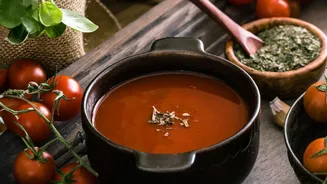
Consider the humble potato, a staple in nearly every Indian kitchen. It's the perfect example of an ingredient that can play multiple roles. One day, it can be the star of a main course like Dum Aloo or Aloo Gobi. The next, it can be a simple, satisfying side dish like Jeera Aloo. That same bag of potatoes can also be transformed into a beloved snack like Aloo Tikki or pav bhaji. But its utility doesn't stop there. Boiled and mashed potatoes can act as a natural thickener for curries and soups, or serve as the binding agent in cutlets and vegetable patties. By thinking of the potato not as an ingredient for one dish, but as a flexible component for the week, you unlock its true value. Once cooked, potatoes can be roasted, mashed, or sliced and sautéed to create entirely different textures and experiences.
Lentils and Pulses: Beyond the Dal Bowl
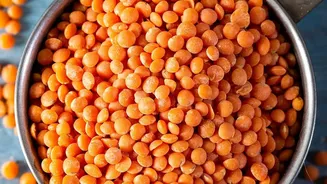
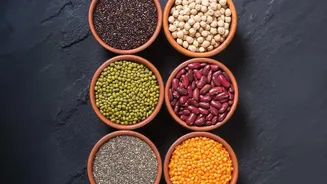
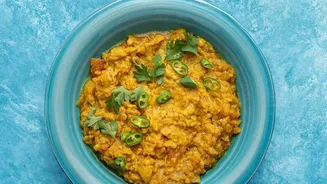
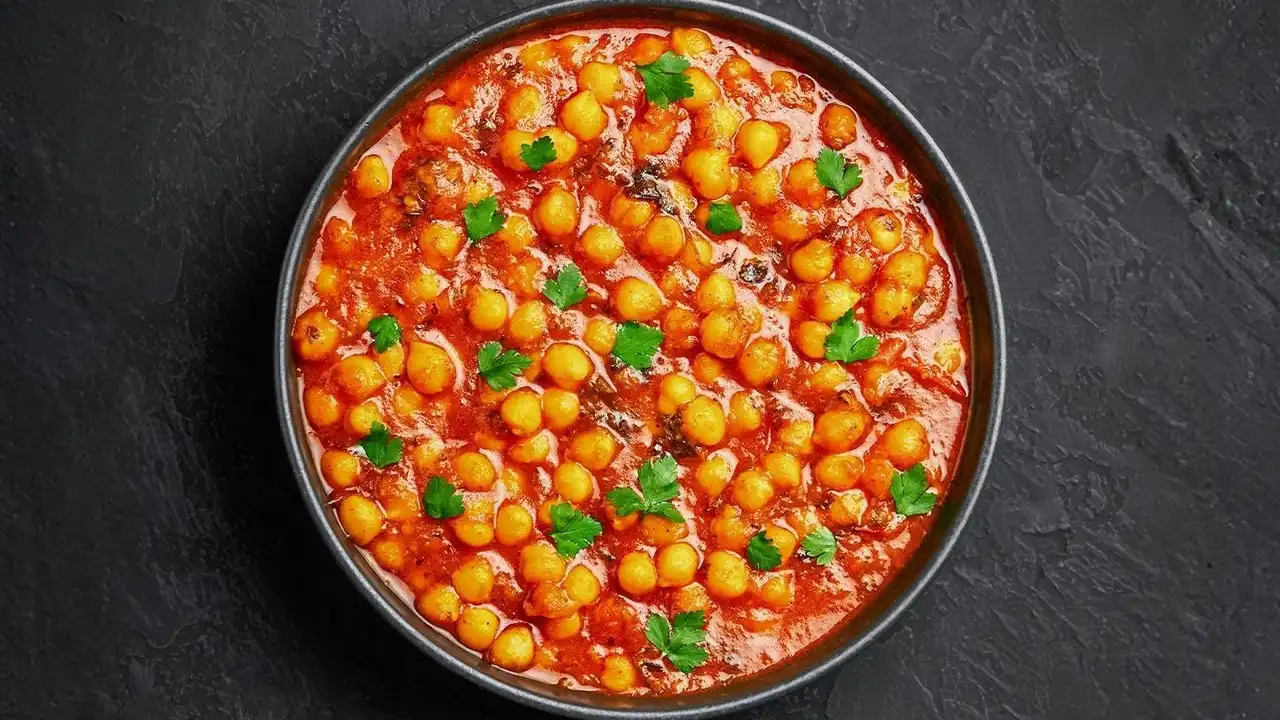
Lentils, or dal, are the backbone of Indian comfort food. But their potential extends far beyond a simple dal tadka or dal makhani. A batch of cooked lentils can be repurposed with ease. For example, leftover dal can be kneaded into flour to make flavourful and protein-rich parathas or puris. Certain lentils, like urad dal or moong dal, are incredibly versatile. Soaked and ground, they form the batter for breakfast staples like dosas, idlis, and uttapams across the country. The same batter can be seasoned differently to create savoury pancakes like cheela or fried into delicious vadas. This approach means you can prepare one base ingredient and use it to create meals for different times of the day, from breakfast to dinner, stretching both the ingredient and your budget.
Embracing a 'Use-It-Up' Mindset
Maximising ingredient value is as much a mindset as it is a method. It starts with planning your meals around what you already have. Before making a grocery list, take a quick inventory of your fridge and pantry, paying close attention to produce that needs to be used soon. Designate one or two meals a week as 'use-it-up' meals, where you creatively combine leftovers and soon-to-expire ingredients. Those coriander stems you might throw away are packed with flavour and can be ground into chutneys or added to stocks. Even vegetable peels from carrots and gourds can be used to make a nutritious broth. Adopting the 'First In, First Out' (FIFO) rule—using older items before new ones—is another simple but effective strategy to reduce waste. By making a conscious effort to use the whole ingredient, you prevent food from being discarded and get the most out of every rupee spent.