




The Right Outerwear
Your first line of defence is a reliable waterproof jacket or a poncho. While a jacket offers better movement, a good-quality poncho has the unique advantage of covering both you and your backpack. Look for gear with taped or sealed seams, as regular
stitching can leak during heavy rain. A common mistake is packing for a simple shower, but the Indian monsoon, especially in the Ghats, means sustained exposure to rain. Avoid umbrellas; they are impractical on windy trails and slippery paths where you need your hands for balance.
A Fortress for Your Gear: Dry Bags
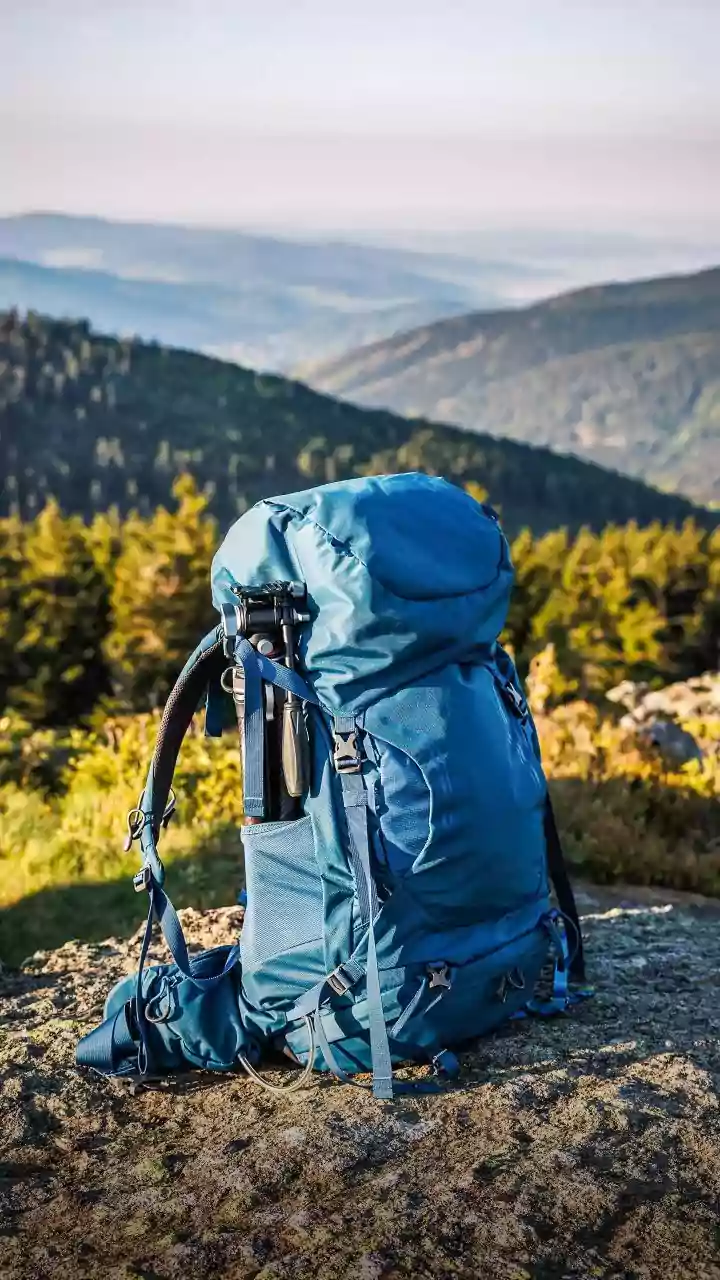
Assume that water will try to get into everything. A waterproof backpack with a rain cover is essential, but internal waterproofing is what truly saves your trip. This is where dry bags come in. These are non-negotiable for protecting your most critical items. Pack at least one spare set of clothes, your sleeping bag, and all electronics in separate dry bags. Many experienced trekkers create a double-layered defence: lining their main backpack with a large plastic bag first and then using individual dry bags for organisation. This ensures that even if your main bag gets damp, your essentials remain completely dry.
Footwear That Grips
Monsoon trails are a combination of mud, slippery rocks, and flowing streams. Your footwear choice is crucial for safety and comfort. Look for trekking shoes with a strong grip and good ankle support. While fully waterproof boots sound ideal, they can sometimes trap water that gets in from the top, keeping your feet wet for hours. An alternative strategy is to use quick-drying, non-waterproof shoes with waterproof socks. For travel within the Western Ghats, which is notorious for leeches during the monsoon, waterproof gaiters are highly recommended. They cover the gap between your trousers and boots, preventing water, mud, and leeches from getting in.
Protecting Your Electronics
Humidity is as much of a threat as direct rain. Use waterproof pouches or even simple zip-lock bags as a first line of defence for your phone, camera, and power bank. It's wise to pack silica gel packets with your electronics to absorb ambient moisture. If a device does get wet, turn it off immediately, remove any cards, and gently wipe it dry. Never try to charge a wet device. During active thunderstorms with lightning, the safest option is to unplug devices completely.
Fabric is Everything
The single biggest mistake you can make is packing cotton clothing. Cotton absorbs moisture, takes a very long time to dry in high humidity, and can leave you feeling cold and uncomfortable. Instead, pack quick-dry synthetic fabrics like polyester and nylon for your t-shirts and trekking pants. These materials wick moisture away from your skin and dry significantly faster. Always pack at least one complete set of dry clothes sealed in a waterproof bag that you only open once you've reached your accommodation for the night.
The Small but Mighty Essentials
A few small items can make a huge difference. A quick-dry microfibre towel is far more practical than a bulky cotton one. A headlamp is essential, as mist can reduce visibility and it gets dark early. Look for a waterproof model. A sun cap worn under your jacket's hood can be surprisingly effective at keeping rain from dripping onto your face and impairing your vision. Finally, carry extra pairs of socks to keep your feet as dry as possible and prevent blisters.