





The Daily Dinner Dilemma
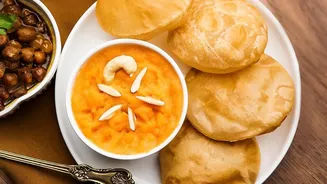
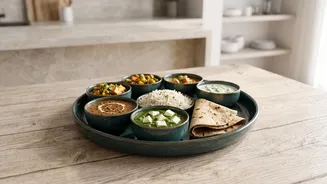
Planning meals in India is rarely a simple affair. It’s a complex calculation involving regional preferences, dietary restrictions—from vegetarian and Jain to diabetic-friendly—and the eternal quest for variety. Unlike Western meal structures, an Indian
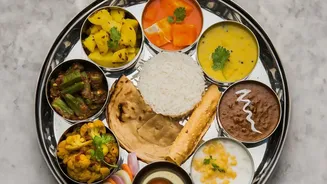
thali can feature multiple dishes, each with its own specific ingredients and cooking methods. Recipes are often passed down through generations, relying on 'andaaz' (estimation) rather than precise measurements. This beautiful complexity, however, creates significant decision fatigue for the modern home cook juggling work, family, and personal health goals.
Enter the AI Sous-Chef
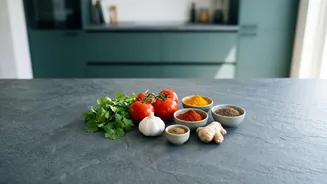
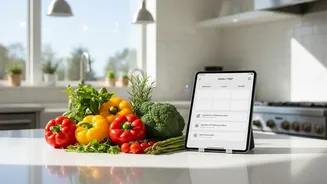
While recipe websites and YouTube videos have long been a source of inspiration, a new generation of AI-powered tools is offering a more dynamic solution. Instead of just providing a static recipe, these digital assistants act as a personal sous-chef. Platforms like CookGPT, VegAI, and Kitchen Saathi are designed to understand user queries in natural language. You can tell them what ingredients you have on hand, specify dietary needs, and even your mood, and they will generate a customised recipe in seconds. Some advanced kitchen appliances, like Upliance, integrate this AI directly into a cooking device that can also chop, stir, and sauté, further automating the process.
Beyond Just a Standard Recipe
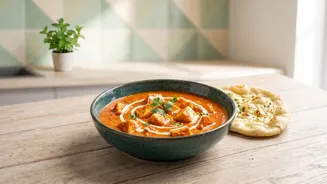
The true innovation of these tools lies in their ability to personalise and adapt. For Indian cooking, this is a game-changer. These platforms are being developed with vast databases of regional Indian cuisines, from Punjabi butter chicken to Keralan coconut curries. They can suggest ingredient substitutions if you're missing a particular spice, provide healthier alternatives for a dish, or create a weekly meal plan that caters to a vegetarian, a diabetic, and a picky toddler—all in the same household. Some tools, like Google's Food Mood, even encourage culinary creativity by generating playful fusion recipes between two different Indian states.
Handling India's Culinary Complexity
The biggest challenge for any food app in India is capturing the nation's immense culinary diversity. A simple entry for 'dal' could mean hundreds of different preparations. Early nutrition apps often failed because their databases were built for Western diets, but newer AI models are being specifically trained on Indian food data. Researchers at institutions like IIIT-Hyderabad are developing AI that can visually identify the multiple dishes on a thali from a single image, a task far more complex than analysing a sandwich. However, the technology is still evolving. Accurately quantifying home-cooked meals, where recipes vary from one family to the next, remains a significant hurdle.
The Human Touch Still Matters
Despite their growing sophistication, these AI tools are assistants, not replacements for the home cook. They can't replicate a grandmother's secret ingredient or the intuitive adjustments a cook makes by tasting and smelling. The 'love' that is often cited as the key to a memorable home-cooked meal remains distinctly human. What these tools excel at is removing the monotonous and stressful parts of cooking: the planning, the decision-making, and the repetitive prep work. They can free up the cook to focus on the more creative and enjoyable aspects of the culinary process, helping to prevent burnout and spark new ideas.