






The Return of a Timeless Remedy
In kitchens across India, a quiet revolution is simmering on the stove. Grandmothers’ tales of a potent, spicy brew for warding off colds and coughs have found a new, younger audience. Kadha, the age-old Ayurvedic decoction, has moved from the pages of memory
to the forefront of our daily wellness routines. Once reserved for the monsoon sniffles, it has become a year-round ritual for many. This revival isn't just about tradition; it's a direct response to a collective, heightened awareness around health and immunity. In a world of complex health advice, the simplicity and perceived natural goodness of a homemade kadha feel both empowering and comforting. It represents a larger trend of looking inwards, towards local, inherited wisdom for solutions to modern-day anxieties.
What Exactly Is in the Pot?
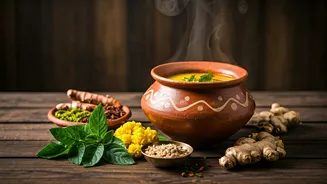
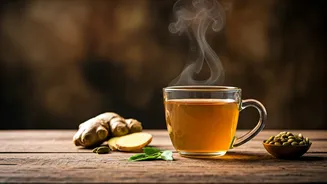
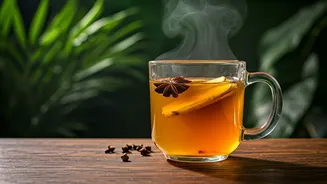
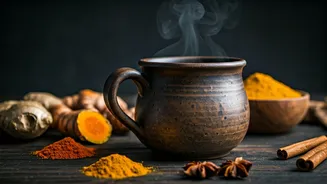
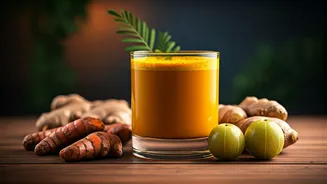
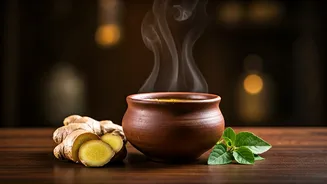
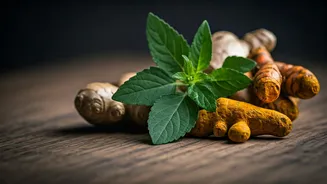
Kadha is less a fixed recipe and more of a concept: a water-based decoction of herbs and spices, simmered to extract their beneficial properties. While recipes vary from family to family and region to region, a common cast of characters usually makes an appearance. Holy basil (tulsi) is often the star, revered in Ayurveda for its therapeutic properties. It's frequently joined by ginger (adrak), a powerhouse known for its anti-inflammatory and digestive benefits. Turmeric (haldi), with its active compound curcumin, adds its golden hue and antioxidant punch. Black pepper (kali mirch) is crucial, as it enhances the bioavailability of curcumin, making the turmeric more effective. Other common additions include cloves (laung), cinnamon (dalchini), and cardamom (elaichi), each bringing its own aromatic and medicinal value to the brew. The concoction is typically sweetened with a touch of honey or jaggery just before serving.
The Science Behind the Spices
While kadha’s efficacy has been trusted for generations, modern science is now beginning to validate the properties of its individual ingredients. Ginger, for example, is widely studied for its ability to combat nausea and reduce inflammation. The curcumin in turmeric is one of the most researched natural compounds, celebrated for its potent anti-inflammatory and antioxidant effects. Tulsi has been shown in various studies to be an adaptogen, helping the body manage stress, as well as possessing antimicrobial properties. The eugenol in cloves acts as a natural antiseptic and pain reliever. While no single food can 'boost' the immune system in the way often marketed, a diet rich in these anti-inflammatory and antioxidant compounds can support overall immune function. Kadha, in essence, is a vehicle for delivering a symphony of these beneficial spices in a single, warming cup.
A Word of Caution: More Is Not Better
The enthusiasm for kadha has been so great that health experts have had to step in with a crucial message: moderation is key. The very potency that makes these spices beneficial can also cause harm if consumed in excess. The 'heating' nature of many kadha ingredients, like ginger, pepper, and cinnamon, can lead to side effects like acidity, heartburn, stomach ulcers, and internal dryness if consumed too frequently or in large quantities. Doctors have reported seeing patients with nosebleeds and other complications from overzealous kadha consumption. The key is to listen to your body. A small cup a few times a week, especially during weather changes or when you feel under the weather, is very different from drinking multiple large glasses every day. It's a supportive tonic, not a magic elixir or a substitute for a balanced diet and medical care.
Crafting Your Own Cup of Wellness
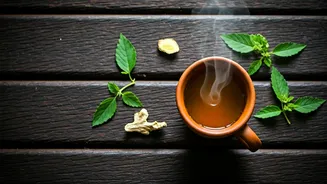
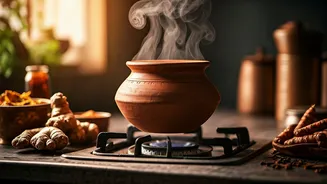
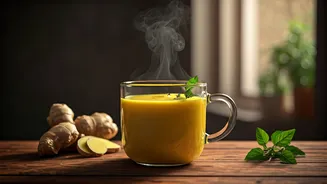
Making your own kadha is incredibly simple. A good starting point is to simmer a few tulsi leaves, a small piece of crushed ginger, a pinch of turmeric, and 2-3 black peppercorns in about two cups of water. Let it gently bubble away until the liquid is reduced by half. Strain and drink warm. You can add a cinnamon stick or a couple of cloves for extra flavour and benefits. The most important rule is to start with small quantities of each spice and see how your body reacts. Think of it as a gentle, warming ritual rather than a heavy dose of medicine. Its power lies not just in its ingredients, but in the mindful act of preparing something nourishing for yourself, connecting you to a long chain of ancestral wisdom.