





Hit the Financial Reset Button
The most obvious benefit of not spending is, of course, saving money. But it’s more than just keeping cash in your account. A no-spend weekend acts as a financial detox, breaking the cycle of mindless and emotional spending. When you consciously decide
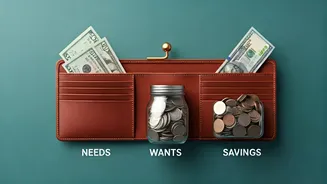
not to buy non-essentials for 48 hours, you become acutely aware of your spending triggers. Do you shop online when you're bored? Order food when you're tired? This challenge forces you to confront these habits head-on. By pausing, you gain insight into where your money truly goes, helping you distinguish between your needs and wants. This small break can be the first step toward more mindful consumption and building a healthier relationship with your money, reducing the financial stress that often impacts our overall well-being.
Discover a Wealth of Creativity
When you can't spend money to solve problems or find entertainment, you're forced to get creative. A no-spend weekend is a fantastic way to rediscover the resources you already have. That half-read book on your shelf? The spices in your pantry waiting to be turned into an exciting new meal? The board games gathering dust in the cupboard? Suddenly, these forgotten items become sources of entertainment and satisfaction. You might find yourself upcycling an old piece of clothing, finally trying that complex recipe, or rediscovering a love for sketching. This challenge pushes you to be resourceful and proves that fulfilment doesn't have to come with a price tag. It shifts your focus from consumption to creation, boosting your confidence and sense of accomplishment.
Reconnect with What Matters
So much of modern socialising revolves around spending money—meeting for coffee, going out for dinner, shopping at the mall. A no-spend weekend encourages you to find new ways to connect with loved ones. You could suggest a walk in a local park, a potluck dinner where everyone brings a dish, or a game night at home. By removing commercial activities from the equation, you create space for more meaningful interactions. It's also an opportunity to reconnect with yourself. Without the distraction of online shopping or planning your next purchase, you can dedicate time to hobbies, self-reflection, or simply enjoying a quiet afternoon. Many people find that prioritising time and experiences over material things leads to greater happiness and life satisfaction.
How to Plan Your No-Spend Weekend
Success lies in a little preparation. First, define your rules. A no-spend challenge typically means avoiding all non-essential spending. Bills, rent, and pre-planned essential groceries are okay, but impulse buys, takeout, and entertainment costs are off-limits. Before the weekend begins, do a quick inventory of your kitchen pantry and fridge. Plan your meals to use what you already have, which minimises food waste and the temptation to order in. It’s also wise to unsubscribe from marketing emails for a few days to avoid temptation. Finally, make a list of free activities you can enjoy: visit a local park or temple, borrow books or movies from a library, try an at-home workout video, or tackle a small DIY project.
Beyond the Weekend
A no-spend weekend isn't about long-term deprivation; it's about short-term awareness that leads to lasting change. The insights you gain from just two days can be profound. You might realise how much you were spending on convenience or how little you need to be entertained. The goal is to carry these lessons forward. Maybe you'll start packing your lunch more often, become more intentional with your purchases by using a 24-hour waiting period before buying something, or schedule one no-spend day every week. The money you save can be redirected toward more important goals, like building an emergency fund, paying down debt, or saving for a vacation. By challenging your habits, you empower yourself to take control of your financial life.