







1. A Thorough Vehicle Health Check
Before you even think about packing, give your car a head-to-toe inspection. The monsoon is particularly tough on vehicles. Start with the tyres. Ensure they have adequate tread depth—anything below 3mm is risky on wet roads, as it increases the chance
of aquaplaning. Check your brakes, as their efficiency can be limited on slick surfaces, and stopping distances increase. Your windscreen wipers are your first line of defence in a downpour, so replace them if they are worn or leave streaks. Finally, test all your lights: headlights, tail lights, and fog lamps. Good visibility is crucial, not just for you to see, but to be seen by others. Using low-beam headlights even during the day can significantly improve safety.
2. Route Feasibility and Alternatives
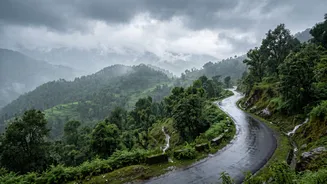
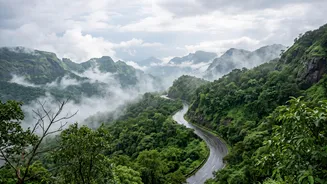
A familiar route can become unrecognisable and dangerous during heavy rains. Before you depart, check the latest travel advisories and weather updates from official sources like the IMD. Heavy rainfall can lead to sudden landslides, especially in hilly regions like Uttarakhand and Himachal Pradesh, and localised waterlogging on major highways and in cities like Delhi. Plan your route using live navigation maps that account for real-time road conditions. It’s also wise to have a flexible itinerary and identify alternative routes in case your primary path is blocked. Sharing your travel route and estimated timings with a family member or friend is always a good practice.
3. The Monsoon-Ready Emergency Kit
While a standard first-aid kit is essential, a monsoon road trip demands a few extra items. Long traffic jams due to waterlogging are common, so pack non-perishable snacks and plenty of drinking water. A powerful flashlight with extra batteries, a multi-tool, and a glass-breaking hammer could be invaluable in an emergency. Given the unpredictability of the weather, a fully charged power bank for your phone is non-negotiable for staying connected and tracking updates. Also, include a tow rope and jumper cables in your boot. You might not need them, but someone else on the road might, and it's always good to be prepared to help.
4. Waterproofing Your Valuables
Water can find its way into the most unexpected places. Protecting your electronics and important documents is paramount. Invest in a good waterproof phone pouch and use zip-lock bags for chargers, wallets, and any important papers like your vehicle's registration and your driving license. A waterproof backpack or a durable rain cover for your luggage can save you the misery of arriving at your destination with a suitcase full of damp clothes. It's a small investment that provides significant peace of mind, ensuring your gadgets and documents remain safe and dry, no matter how heavy the downpour.
5. Personal Health and Safety
The monsoon season brings with it an increased risk of water-borne diseases and mosquito breeding. Pack a personal medical kit with your prescribed medicines, as well as common remedies for fever, stomach upsets, and allergies. Insect repellent is a must-have, especially if you're travelling to areas with lush greenery. When it comes to food and water on the road, be extra cautious. Avoid street food that might be exposed to contaminated water and stick to bottled or purified water. Opt for freshly prepared hot meals from reputable establishments to minimize health risks and keep your trip enjoyable from start to finish.