





The Psychology of the Quick Escape
Remember the pressure of planning that one perfect, epic holiday each year? The endless spreadsheets, the budget anxieties, the fear that it wouldn’t live up to the hype? A growing number of urban Indian professionals are trading that stress for a more
agile approach to leisure. The shift is psychological. Instead of pinning all hopes for relaxation and discovery on a single two-week block, we’re learning to value the power of frequent, shorter breaks. Post-pandemic work culture has heightened our awareness of burnout, making the idea of a quick reset every couple of months incredibly appealing. These mini-vacations act as pressure-release valves, offering a tangible reward for hard work without the massive logistical and financial commitment of a long-haul trip. They break the monotony and provide regular milestones to look forward to, boosting morale and overall well-being in a way a distant annual holiday cannot.
Mastering the Art of 'Clubbing' Holidays
The secret ingredient to this new formula is a uniquely Indian skill: the strategic 'clubbing' of holidays. We’ve become masters at scanning the calendar for opportunities. A public holiday on a Friday or Monday is a gift, creating an automatic three-day window. But the real magic happens when a holiday falls on a Tuesday or Thursday. By taking just one day of planned leave, savvy travellers can stitch together a four-day escape. This approach maximises time off while minimising the impact on your leave balance. Travel companies have noticed, reporting significant spikes in bookings around dates like Republic Day, Holi, Independence Day, and Diwali when they fall near a weekend. This isn’t just about being opportunistic; it’s a deliberate planning strategy that has turned the standard work year into a tapestry of potential getaways.
Maximum Experience, Minimum Disruption
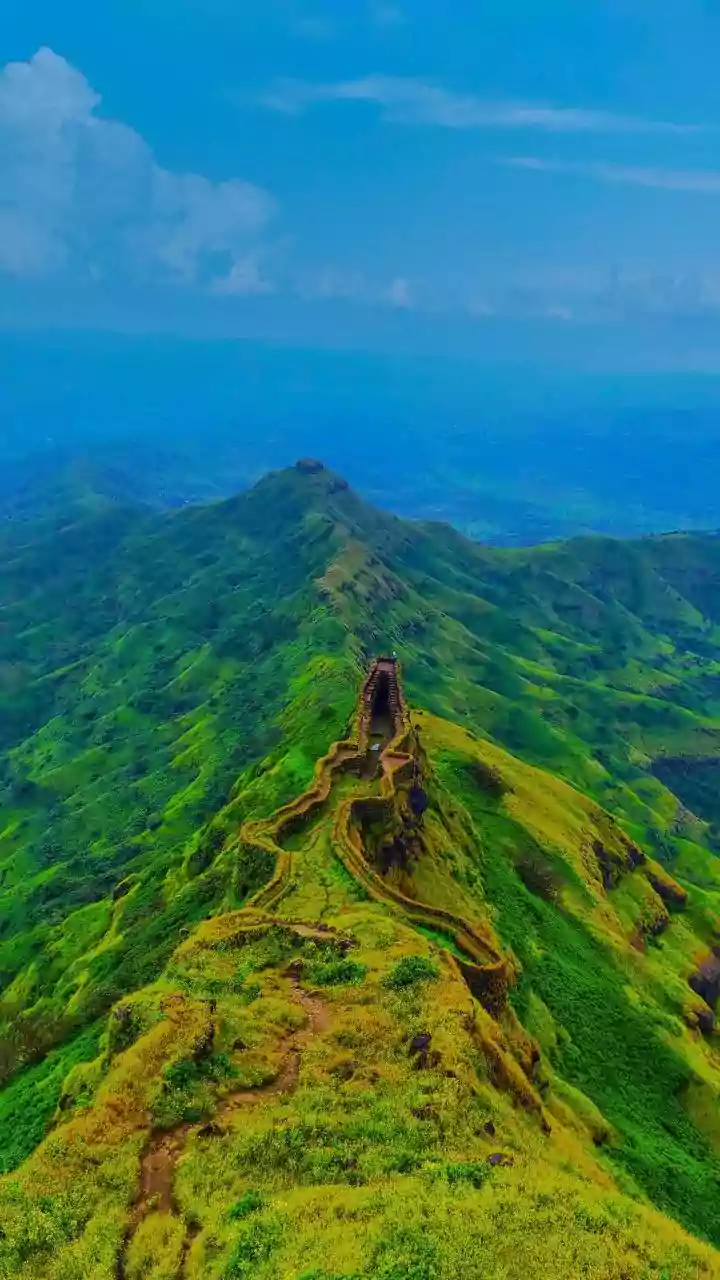
The beauty of the mini-vacation lies in its efficiency. A three or four-day trip demands less planning, a smaller budget, and lighter packing. You can decide on a Wednesday to drive to a nearby hill station for the weekend without disrupting your entire life. This spontaneity is liberating. It allows for exploration of closer, often overlooked destinations that are just a few hours away by car, train, or a short flight. Think swapping a European tour for a deep dive into the coffee plantations of Coorg, or a trip to Thailand for exploring the backwaters of Kerala. The return to work is also smoother. Coming back from a four-day break is far less jarring than reacclimatising after a two-week international holiday. You feel refreshed and recharged, not overwhelmed by a mountain of emails and the dreaded feeling of being out of sync.
A Boost for Domestic Tourism
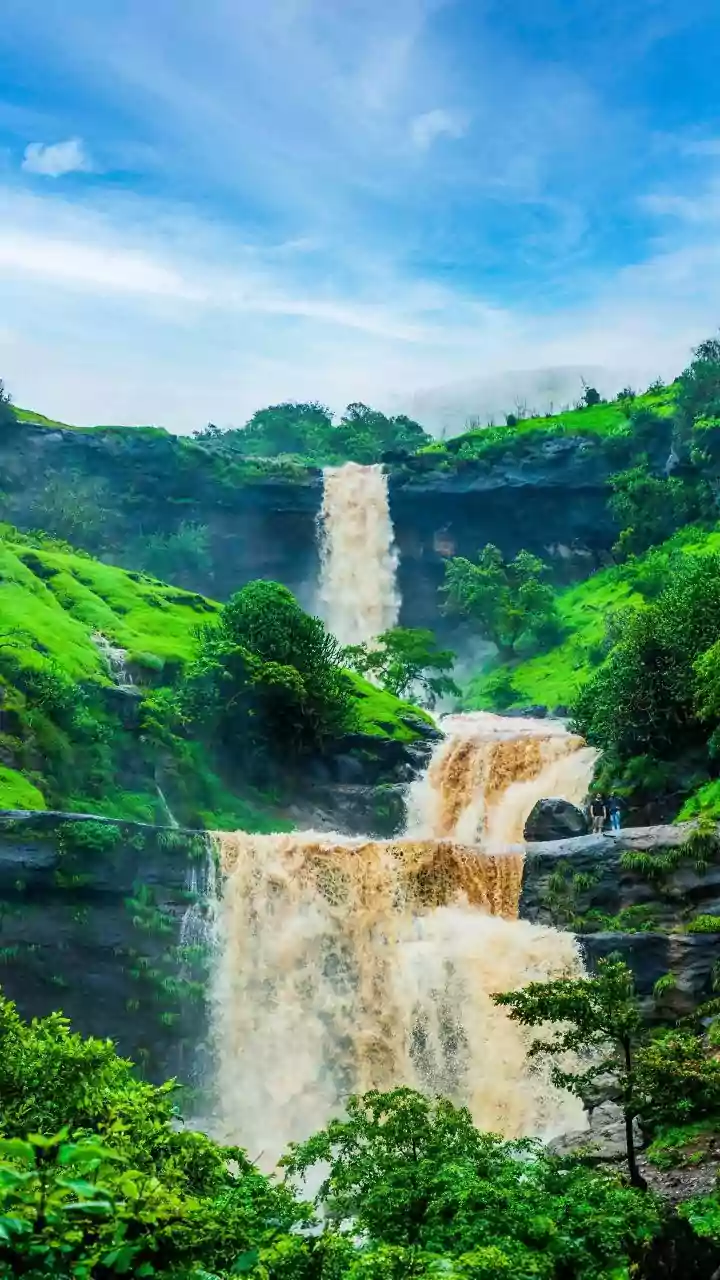
This trend is not just changing how we travel; it’s reshaping the Indian tourism landscape. The rise of the mini-vacation is a massive boon for domestic travel. Homestays, boutique hotels, and local businesses in destinations like Rishikesh, Pondicherry, Goa, Lonavala, and Jaipur are thriving on this steady stream of weekend visitors. It fosters a more sustainable tourism model, distributing tourist spending more evenly throughout the year rather than concentrating it in peak seasons. It also encourages the discovery of India's incredible diversity. With a long weekend, you’re more likely to explore a neighbouring state’s culture, cuisine, and natural beauty. This inward-looking travel focus strengthens local economies and helps us build a deeper appreciation for our own country’s treasures, one short trip at a time.